

Government Rejects Link Between Media Law and Press Freedom Index Drop
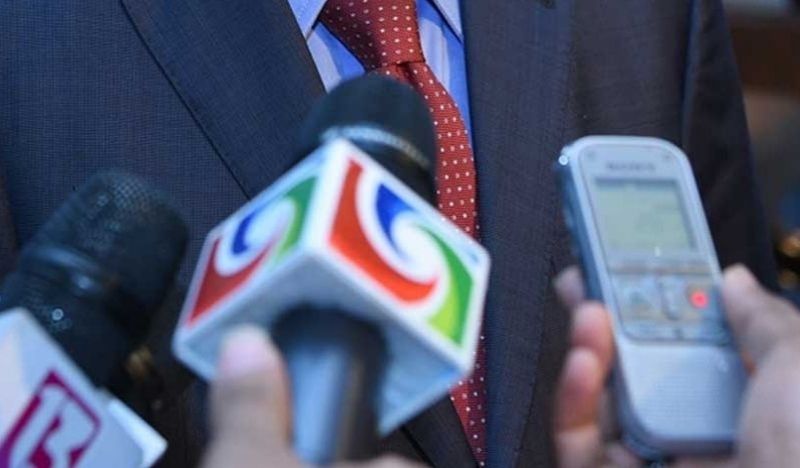
The Chief Government Spokesperson Mohamed Hussain Shareef said the Maldives did not fall four spots in the Press Freedom Index due to the implementation of the Maldives Media and Broadcasting Regulation Act last year.
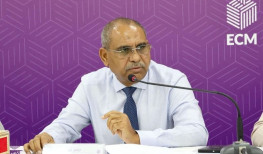
Speaking at the newly launched “Presser with the Spox” weekly press briefing, Shareef addressed questions on the country’s latest ranking in the World Press Freedom Index released by Reporters Without Borders (RSF), which placed the Maldives at 108, down from 104 last year. The country’s overall score also declined from 52.46 to 49.23.
He also rejected suggestions that the Maldives’ drop in the index was caused by recent media regulations. They said some information submitted to international organisations had been incomplete, while in other cases inaccurate information generated through artificial intelligence tools such as ChatGPT had been circulated.
They maintained that the government’s intention was to regulate the media sector rather than control it.
The index showed declines across several indicators. The Political Context score fell from 123 to 129, while the Economic Context indicator dropped from 118 to 157, reflecting increased financial pressures on journalism. The Legal Framework score declined from 103 to 126, and the Safety and Security indicator fell from 56 to 77.
Addressing concerns over the Maldives’ position in global press freedom rankings, Shareef said responsibility for the country’s standing does not rest solely with the government but also with the media and wider society.
“When we go behind in that [press freedom index], why do you journalists always think this is happening because of the government? The press freedom index is not measured by only the government. They do not just check the government’s relationship with the media, how it is going up and down and up and down. This responsibility lies with you too. We all have this responsibility,” he said.
He said press freedom indices assess broader conditions beyond government-media relations and added that all stakeholders share responsibility for improving the country’s ranking.
Shareef further argued that changes in international rankings are often comparative and do not necessarily reflect deterioration within a country. He pointed to Nepal as an example, saying its recent change in government had improved international perceptions and boosted its position in several rights-related indexes, including press freedom.
“The way Nepal’s government changed, the global perception towards Nepal has also changed drastically. Look at all the rights. All rights related to the west, to the rights, in all indexes related to press freedom as well, Nepal has risen many spots. That is not because of something the Maldives did,” he said.