

South Galolhu MP Calls to Review Prison Conditions and Correctional Services Practices
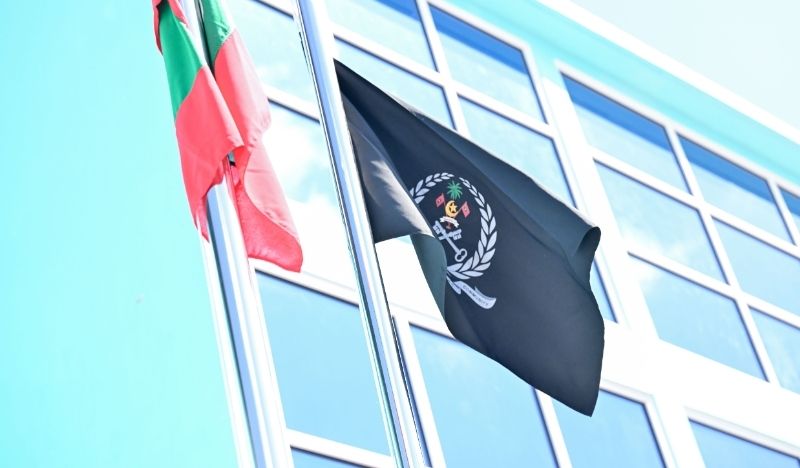
Maldives Correctional Service’s flag next to the national flag | Photo: President’s Office
MP for South Galolhu constituency Mohamed Ibrahim (Kudu) has requested that the leadership of the Maldives Correctional Services (MCS) be summoned to a parliamentary committee to answer questions on a range of concerns relating to prison conditions in the Maldives.
The request was made in a letter sent to Speaker of Parliament Abdul Raheem Abdulla yesterday.
advertisement

In the letter, the MP raised concerns over overcrowding in prisons, stating that detainees are being held beyond the capacity allocated for facilities. He said this has contributed to reduced living standards inside prisons and has resulted in the mixing of inmates held for minor offences with those convicted of more serious crimes.
He also highlighted concerns over access to healthcare for prisoners, alleging delays in medical attention and raising issues of medical negligence based on complaints from families. The letter referred to the alleged issuance of strong medication without proper diagnosis, particularly in relation to mental health conditions, and raised concerns about similar practices involving pain relief medication. It also pointed to a lack of proper quarantine arrangements for prisoners with contagious diseases such as tuberculosis.
The MP further raised concerns over what he described as prolonged pre-trial detention, stating that holding individuals for extended periods before trial completion raises human rights concerns and places mental strain on detainees and their families.
Additional concerns outlined in the letter included poor ventilation and sanitation in prison facilities, with claims that high temperatures, pest infestations, and inadequate cleanliness are affecting living conditions. The letter also referred to shortages of hygiene products, including sanitary items for female prisoners.
Mohamed Ibrahim also raised concerns over rehabilitation efforts, stating there is insufficient staffing and limited capacity to communicate with prisoners with disabilities, including those requiring sign language.
The letter further alleged issues relating to the quality and timeliness of food provided to inmates, as well as restrictions in access to basic personal hygiene items through existing procurement systems within prisons.
He also requested clarification on procedures related to the Special Protection Unit and whether its operational policies are being strengthened in line with current requirements.