


Bangladesh-Maldives Prisoner Transfer Agreement Near Finalisation, says Homeland Ministry
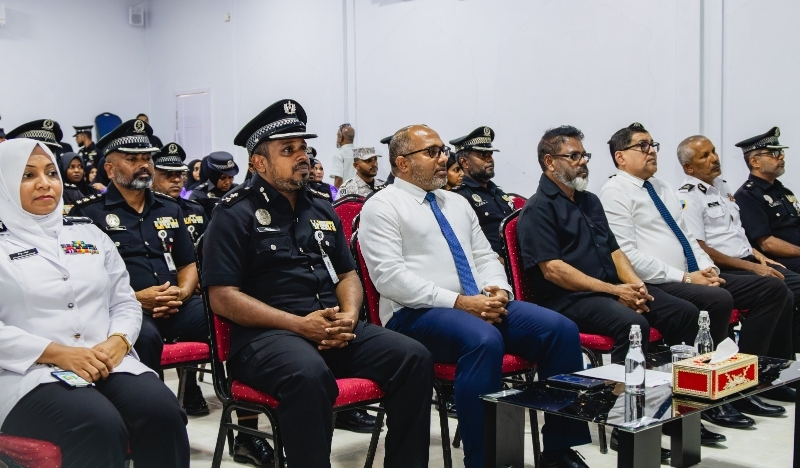
Homeland Minister Ali Ihusaan attending a ceremony held to present certificates to inmates who completed various courses conducted as part of rehabilitation efforts.
The Maldives and Bangladesh are close to finalising a prisoner transfer agreement that would allow eligible Bangladeshi inmates serving sentences in Maldivian prisons to be transferred to their home country to complete their sentences.
The Ministry of Homeland Security, Labor, and Technology said the details of the agreement are currently being finalised, including the number of prisoners eligible for transfer, the offences they were convicted of, and other related matters.
advertisement

The ministry said the agreement will be concluded once Homeland Minister Ali Ihusaan returns to the Maldives from his ongoing overseas trip. Minister Ihusaan is currently in Geneva, Switzerland, attending the High-Level Governmental Plenary Segment of the Global Dialogue on AI Governance.
Under the proposed arrangement, Bangladeshi inmates held in Maldivian prisons would be transferred to Bangladesh to serve the remainder of their sentences in their home country, subject to the terms agreed by both governments.
A significant number of foreign nationals are currently held in Maldivian prisons after being convicted of various offences. Based on information released by the Maldives Police Service following arrests, common offences involving foreign nationals include drug-related crimes, physical altercations, and prostitution-related offences.
In addition to Bangladeshi nationals, foreign prisoners in the Maldives also include individuals from countries such as Nepal, India, and the Philippines, among others. Foreign nationals have been arrested in connection with various crimes, including alleged smuggling attempts through sea routes.
The proposed prisoner transfer agreement would establish a formal mechanism for the repatriation of eligible foreign inmates, allowing them to serve their remaining sentences closer to their families while remaining subject to legal requirements agreed upon by both countries.