

Maldives Enacts Tough Rules to Reclaim $537M and Unstall 168 Tourism Leases
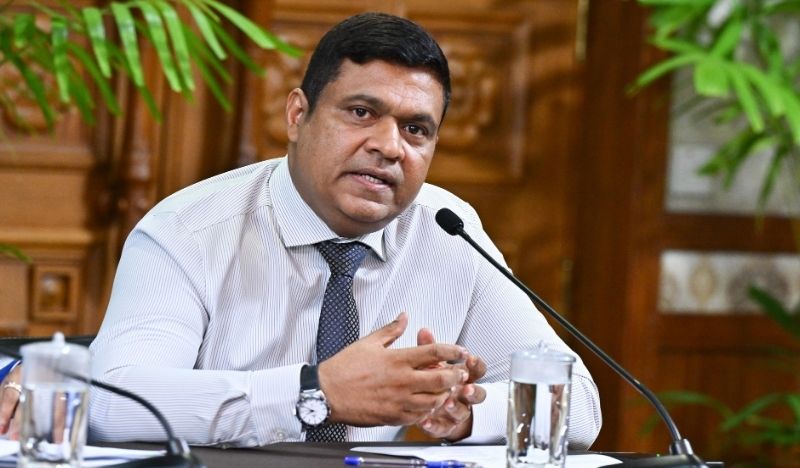
Photo: The President’s Office
The Ministry of Tourism has gazetted a landmark regulation designed to address long-stagnant tourism projects and enforce strict fiscal compliance across islands, lagoons, and land plots leased for resort development.
Currently, 168 tourism sites remain undeveloped, with some leases lingering incomplete for up to 25 years. This prolonged stagnation has trapped vital state resources, leaving an estimated USD 537 million in unpaid rent and accumulated fines owed to the government. Beyond missing lease payments, the ongoing delays have severely disrupted state revenues by blocking the collection of Tourism Goods and Services Tax (TGST), Green Tax, and airport fees, while simultaneously narrowing job opportunities for Maldivian citizens.
The newly published framework establishes standardised guidelines for extending construction timelines, closing sites for redevelopment, and structuring rent deferrals alongside binding repayment schedules. Crucially, it empowers the government to terminate agreements for chronically stalled locations and reallocate the assets to viable developers. The Ministry expects these measures to systematically restart stalled projects, bring delayed facilities online, and recover lost state revenue to revitalisze the national economy.
Tourism Minister Mohamed Ameen reaffirmed that recovering these defaulted payments and decades-old penalties with some dating back to 2013 is a primary financial priority for the administration. Addressing the cycle of endless lease extensions granted on unrealized economic promises, Minister Ameen emphasized that operational resorts failing to meet their land rent obligations will face mandatory legal action without exception.
“If they fail to make payment within the designated timeline, necessary action will be taken against them,” Minister Ameen stated, noting that while resolving over a decade of non-compliance will take time, enforcing land rent obligations is essential to restoring public revenue and establishing a transparent, fair operating environment for the entire sector.
advertisement

advertisement