

Genocide Bill Proposed to Fulfil Maldives’ International Obligations, Says AG
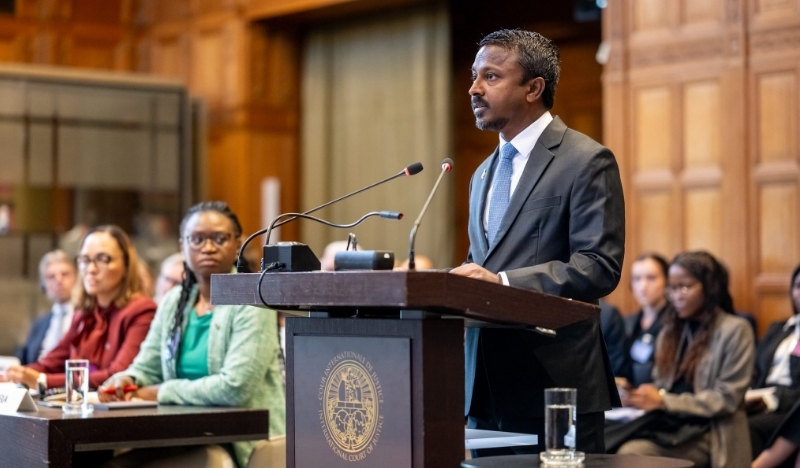
Attorney General Ahmed Usham addressing the International Court of Justive on behalf of the Maldives, in the advisory proceedings on Israel’s obligations in relation to the presence and activities of the UN and other actors in the Occupied Palestinian Territory.
Attorney General Ahmed Usham has said the government proposed amendments to the Penal Code to criminalise genocide in order to fulfil the Maldives’ obligations under the Genocide Convention, which have remained unfulfilled for more than four decades.
In a post on X, Usham said the Maldives acceded to the Convention on the Prevention and Punishment of the Crime of Genocide on 24 April 1984 but had yet to enact the necessary domestic legislation required under Article V of the treaty.
advertisement

advertisement

He said the provision obliges member states to introduce legislation giving effect to the Convention and establish effective penalties for individuals convicted of genocide and related offences.
‘ޤަތުލުޢާންމު’ އަކީ ޖެނޮސައިޑް. ޤަތުލުޢާންމުގެ ކުށް ހުއްޓުވުމާއި އަދަބު ދިނުމާބެހޭ ބައިނަލްއަޤްވާމީ މުޢާހަދާ (ޖެނޮސައިޑް ކޮންވެންޝަން) ގައި ދިވެހިރާއްޖެއިން ބައިވެރިވެފައިވަނީ 24 އެޕްރީލް 1984 ގައި. އެ މުޢާހަދާގެ 5 ވަނަ މާއްދާގައި، އެ މުޢާހަދާއަށް ޢަމަލުކުރުމަށްޓަކައި އެ މުޢާހަދާގައި ބައިވެރިވެފައިވާ ޤައުމުތަކުން ހަދަންޖެހޭ ޤާނޫނުތައް ހެދުމާއި، ޖެނޮސައިޑްއާ ގުޅޭ ކުށްތަކަށް ޤާނޫނުގެ ދަށުން އަދަބު ކަނޑައެޅުން ލާޒިމްކޮށްފައިވޭ. ނަމަވެސް، އޭގެ ފަހުން 42 އަހަރު ވެގެން ދިޔައިރުވެސް ދިވެހިރާއްޖެއިން މި ޒިންމާ އަދާކޮށްފައެއްނުވޭ. މުސްލިމުންނާ ދެކޮޅަށް ޤަތުލްޢާންމުގެ ކުށްތައް ހިންގާފައިވާ އަދި ހިންގަމުންދާ ޤައުމުތަކާ ދެކޮޅަށް އިންޓަރނޭޝަނަލް ކޯޓް އޮފް ޖަސްޓިސް (އައި.ސީ.ޖޭ.) ގައި ހިނގަމުންދާ މައްސަލަތަކެެއް ކަމުގައިވާ، “ދަ ގެމްބިއާ ވ. މިޔަންމާ” އަދި “ސައުތު އެފްރިކާ ވ. އިސްރާއީލު” މައްސަލަތަކަށް ދިވެހި ސަރުކާރުން ވަނީ ތަދައްޚުލުވެ، ޖެނޮސައިޑްގެ ކުށްތައް ހިންގާ ޤައުމުތައް ޖަވާބުދާރީ ކުރުވައި، ހަރުކަށި ފިޔަވަޅު އެޅުމަށް ވަކާލާތުކޮށްފައި. ނަމަވެސް، އެހެން ޤައުމުތަކުން ޖެނޮސައިޑް ކޮންވެންޝަނަށް ކަމޭހިތުމަށް ދިވެހިރާއްޖެއިން ގޮވާލާއިރު، ދިވެހިރާއްޖެއިން އެ މުޢާހަދާގެ ދަށުން ކުރުން ލާޒިމްކޮށްފައި އޮތް ކަމެއް ކޮށްފައި ނެތުމަކީ، އެކަމުގެ ސަބަބުން ދިވެހިރާއްޖެއިން ހުށަހަޅާފައިވާ ޤާނޫނީ ނުކުތާތަކަށް އަސަރުކުރާކަމެއް. ދިވެހިރާއްޖޭގެ ޤާނޫނުލްޢުޤޫބާތަށް ގެނައުމަށް ސަރުކާރުގެ ފަރާތުން ހުށަހަޅާފައިވާ އިޞްލާޙަކީ، ޖެނޮސައިޑް ކޮންވެންޝަންއާ އެއްގޮތްވާ ގޮތުގެމަތިން ޤަތުލުޢާންމު ހިންގުމަކީ ޖިނާއީ ކުށެއްގެ ގޮތުގައި ކަނޑައަޅައި، އެ ކުށުގެ އަދަބު ބަޔާންކުރުމަށްޓަކައި ހުށަހަޅާފައިވާ އިޞްލާޙެއް. މިއީ ބައިނަލްއަޤްވާމީ ޤާނޫނުގެ ދަށުން ދިވެހިރާއްޖެއިން ކުރުން ލާޒިމްކޮށްފައިވާ ކަމެއް.— Ahmed Usham (@a_usham) October 26, 2026
Usham highlighted the Maldives’ involvement in proceedings before the International Court of Justice (ICJ), including The Gambia’s case against Myanmar and South Africa’s case against Israel, in which the Maldives has supported efforts to hold states accountable for alleged genocide.
He argued that the country’s failure to implement its own obligations under the Convention weakens its legal arguments internationally while calling on other countries to comply with the treaty.
The government-sponsored bill, submitted to Parliament by Maafannu South MP Abdulla Rifau, proposes criminalising genocide and direct public incitement to genocide, alongside provisions addressing treason and acts causing substantial damage to the national economy.
Under the bill, genocide would constitute a Class 1 felony, carrying a baseline prison sentence of 10 years and a maximum sentence of 25 years. The proposed legislation also provides for harsher penalties for certain offences committed by senior state officials, including the President, Cabinet ministers, MPs, judges and senior security officers.
The amendments come amid public debate over the government’s agreement with UAE-based Eagle Hills for the USD 20 billion Maldives Waterfront and Marina project in Ras Malé.
Usham maintained that the proposed criminalisation of genocide was intended to fulfil the Maldives’ longstanding legal obligations under international law.