

Adhaalath Calls for Halt to Projects Facilitating Long-term Foreign Residency
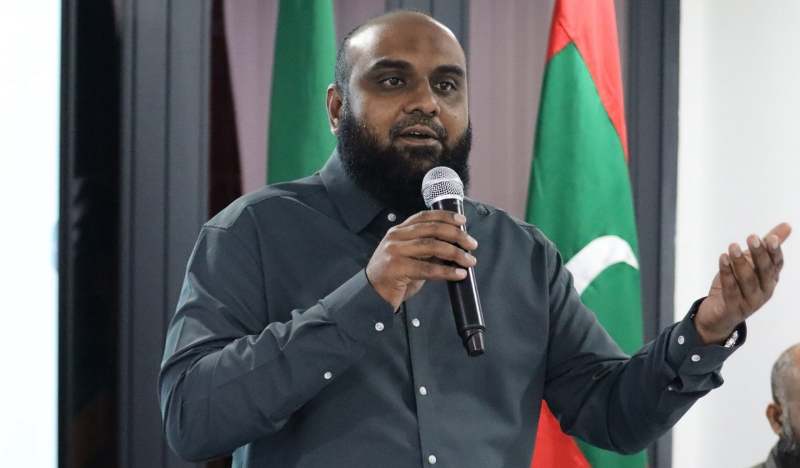
Adhaalath party president Sheikh Mohamed Shifan.
Adhaalath Party has called on the government to halt real estate projects and developments that could facilitate long-term residency for foreigners in the Maldives, warning of potential consequences for the country’s religious unity, national security and culture.
In a statement, the party said developing designated areas for foreigners to reside in the Maldives over extended periods could create challenges for the country’s religious and cultural identity.
advertisement

advertisement

Adhaalath said opportunities for foreign investment in real estate should instead be limited to holiday homes, allowing foreigners to visit and spend their vacations in the Maldives without obtaining long-term land ownership or residency rights.
The party said a holiday-home framework would allow the government to attract foreign investment while supporting a more diverse and resilient economy.
ދިވެހިރާއްޖޭގައި އިންޓަރނޭޝަނަލް ރިއަލް އެސްޓޭޓު މަޝްރޫޢުތައް ކުރިއަށް ގެންދިއުމާއި ގުޅޭގޮތުން ޢަދާލަތު ޕާޓީއިން ނެރޭ ޤަރާރު https://t.co/9nzMn6BS3N— Adhaalath Party (@AdhaalathOffice) November 10, 2026
The statement comes amid growing debate over the government’s plans to attract foreign investment through large-scale real estate developments and residency-linked investment schemes.
One of the main projects at the centre of the debate is the proposed Maldives Waterfront and Marina development at Ras Malé, where the government has agreed to lease 500 hectares of reclaimed land to UAE-based Eagle Hills under a 99-year arrangement.
The government has defended the development as part of its economic diversification strategy, arguing that it will attract substantial foreign investment, generate state revenue and create economic opportunities. Infrastructure, Housing and Urban Development Minister Dr Abdulla Muththalib has said the residential properties are intended primarily as holiday homes rather than permanent settlements for foreign families. He has also maintained that purchasing property would not automatically grant permanent residency or citizenship.
However, the project has faced criticism from opposition politicians and religious groups over its potential implications for national sovereignty, foreign residency and the long-term control of Maldivian land. The Maldives’ Scholars’ Union has also warned that the development could have implications for the country’s Islamic identity and religious freedom.
The government’s proposed Maldives Pearl Residence programme, which links foreign investment to residency opportunities, has also drawn scrutiny. The government has presented the scheme as a means of attracting foreign currency and diversifying the economy, while critics have questioned its legal framework and the safeguards governing long-term residency.
Adhaalath Party has previously sought clarification from government officials on both the Ras Malé development and the proposed residency-by-investment scheme.