

Behind Every Insulin Shot: A Conversation with Dr Malha Saeed
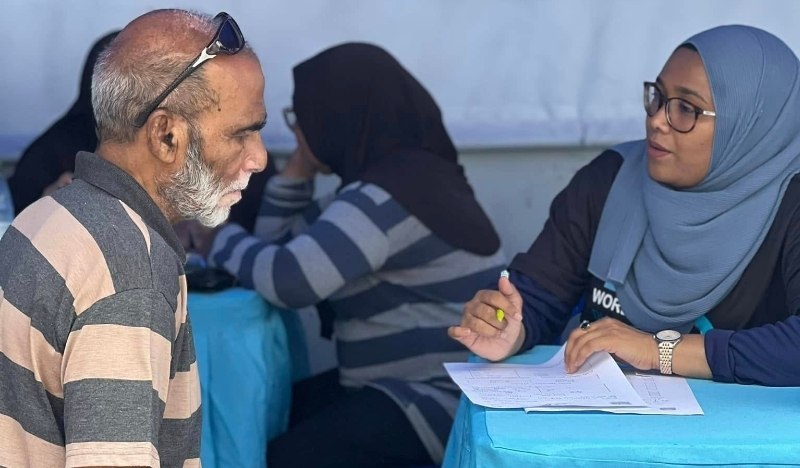
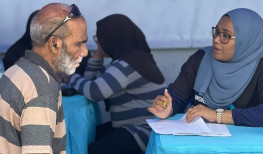
Medical Director of the Diabetes Society of the Maldives Dr. Malha Saeed with a participant of a volunteer screening program held by DSM. | Photo: Diabetes Society of the Maldives
“They go to the bathroom to take their insulin shot.”
For some children living with Type 1 diabetes in the Maldives, managing the lifelong autoimmune condition is something they feel compelled to conceal from their peers and members of society. Fearful of being judged by their classmates, they leave their classrooms to check their blood sugar or inject insulin in a school bathroom—an unhygienic and isolating practice born not from medical necessity, but from stigma.
advertisement

Dr. Malha Saeed, Medical Director of the Diabetes Society of the Maldives (DSM), says this reluctance to manage the condition openly can have serious consequences. From the perspective of a medical professional who has immeasurable experience interacting and dealing with Type-1 diabetes patients and their caregivers through the screening and awareness program works of the Diabetes Society of the Maldives, Dr. Malha explained how some young patients delay checking their blood sugar or miss insulin doses because they are afraid of appearing different, increasing the risk of dangerous complications and hospitalisation.
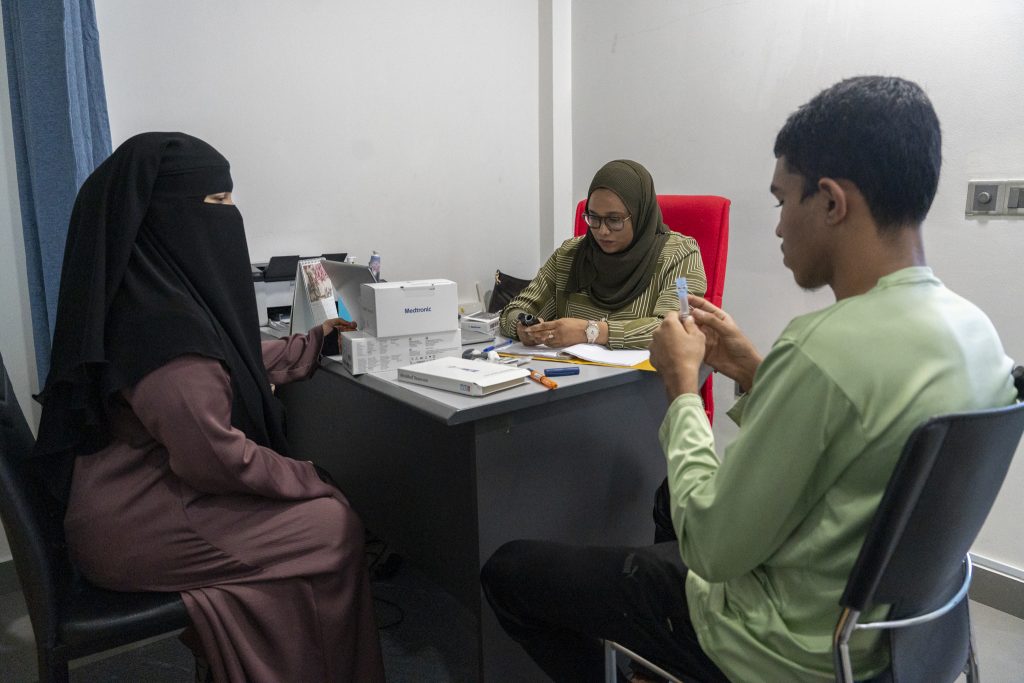
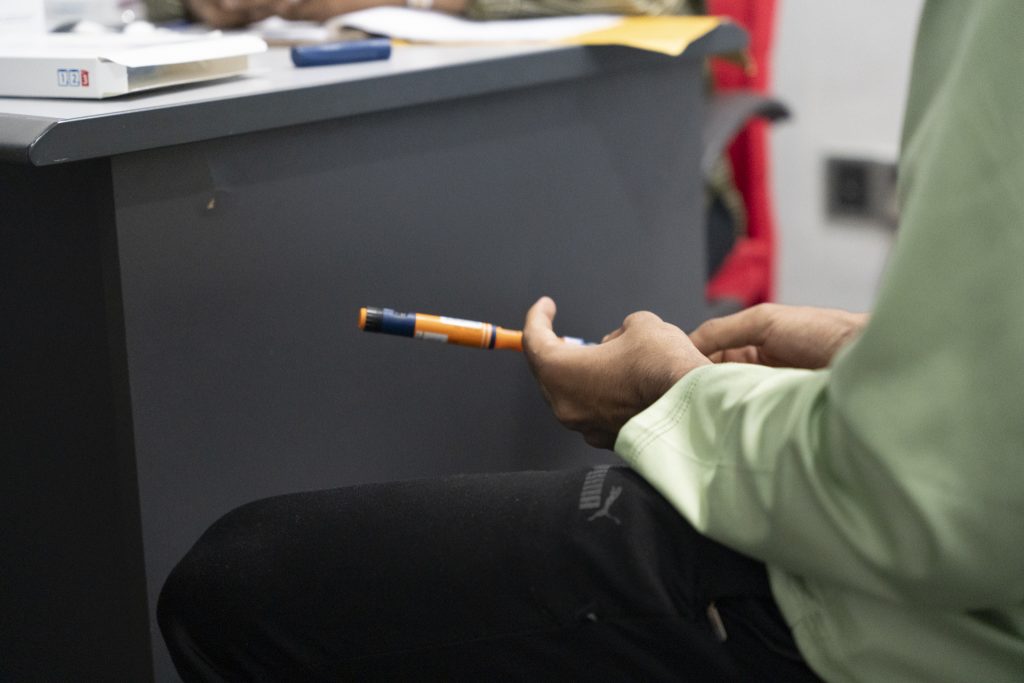
Yet the insulin injection itself represents only a fraction of what it takes to live with Type 1 diabetes. Behind every dose is a constant series of calculations: the amount and type of food on the plate, the blood sugar level before a meal, whether they intend to exercise, and how their body may respond hours later.
Most of this daily labour remains invisible to those around them, their peers or, at times, even their own family. And because the condition is often misunderstood, patients and their caregivers are not only left to manage a lifelong disease, but also the judgment, blame, and emotional strain that surround it.
The work behind every insulin dose
Type 1 diabetes is an autoimmune condition in which the body’s immune system attacks the cells that produce insulin. Unlike Type 2 diabetes, it cannot be prevented through changes in diet or physical activity, says Dr. Malha.
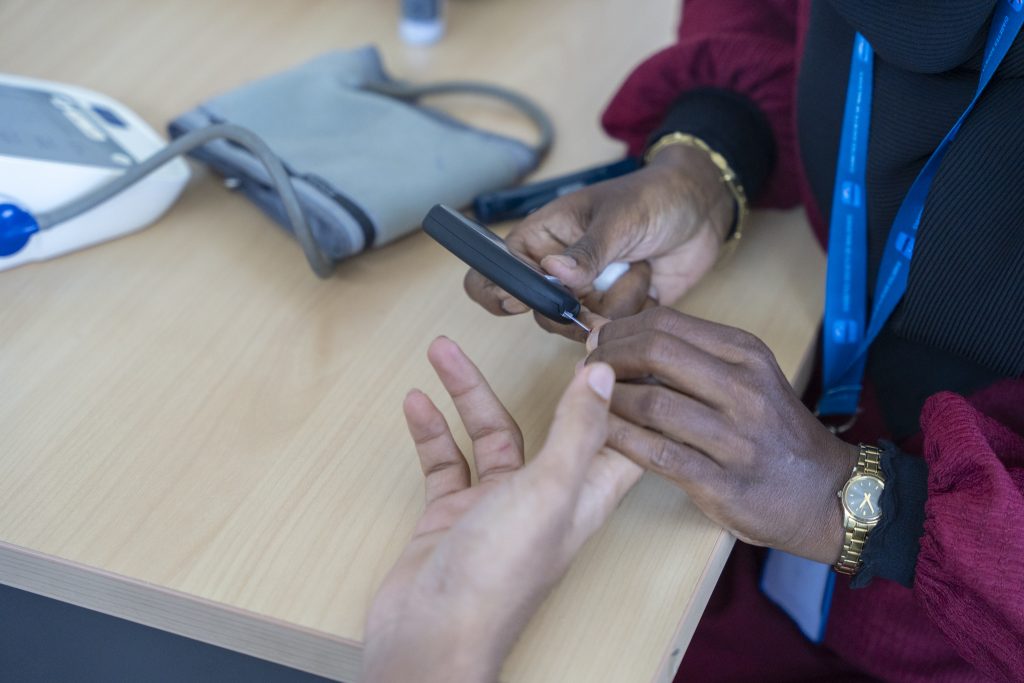
People living with the condition must replace the insulin their bodies can no longer produce. This means that, throughout the day, they have to administer multiple insulin injections and ensure they gauge their blood glucose levels throughout the day to avoid complications.
“Managing the condition requires insulin injections with every meal,” Dr. Malha explains. “Before bed, they have to take another insulin injection. Management requires multiple daily injections, multiple daily blood sugar checks, and a lot of calculation goes into dosing how much insulin they should take.”
To an observer, it may appear that a person is simply taking an injection. However, the mental decisions behind that decision is invisible.
“What are the types of food on my plate? What is my pre-meal blood sugar? Am I going to exercise? Do I have too much fat in my meal? How is this going to impact my blood sugar two hours after this?” says Dr. Malha, describing some of the questions patients must continually consider.
A mistake or delay can cause blood sugar levels to fluctuate. Patients may need to stop what they are doing, eat or drink something, administer insulin, check their glucose level, and wait until they are well enough to continue. This means that, in contrast to how people without the condition schedule their day, people with type-1 diabetes have to consider precise timings and necessarily spare time every day for these tasks.
However, because the symptoms are not always visible to others, these moments are often misunderstood. Completing the requirements they need to function becomes a crutch, a ‘shameful’ secret they try to hide.
Dr. Malha says some patients have been accused of “looking for attention” when taking a break to treat high or low blood sugar. Feeling judged, they may delay taking the necessary action.
In emergency situations, the invisibility of the condition can become dangerous. She recounts incidents in schools where a student’s blood sugar fell severely, but those around them were unable to identify the cause or respond appropriately.
A disease mistaken for a lifestyle choice
One of the most persistent misconceptions surrounding Type 1 diabetes is that it is caused by poor lifestyle choices.
Dr. Malha says parents of children with the condition are frequently told that their child became ill because they were given sugary food, ate poorly, or were not physically active enough.
Such comments confuse Type 1 diabetes with Type 2 diabetes, which can be influenced by a combination of genetic, metabolic, and lifestyle factors.
Type 1 diabetes has a fundamentally different cause.
Type-1 diabetes is present in people whose own immune systems attack insulin-producing cells within the body. As such, there is no way to predict the disease.
There is currently no established preventive measure that parents could have taken to stop their child from developing Type 1 diabetes.Nevertheless, the misconception persists, leaving parents feeling blamed for a diagnosis they could neither predict nor prevent.
Dr. Malha says the resulting stigma has led some families to withhold the diagnosis from schools, workplaces, and even people close to them in the Maldives. Concealment, however, makes it much harder for patients to manage the disease safely.
A school that does not know a child has Type 1 diabetes may not recognise the symptoms of dangerously low blood sugar. A workplace unaware of an employee’s condition may misinterpret the need for a short recovery break. Even close friends might have nothing to go on in a case of an emergency.
When the fear of being different becomes dangerous
Adolescence can be an especially difficult period for people with Type 1 diabetes.
Teenagers are already navigating changes in their bodies, concerns about appearance, peer pressure, and the desire to become more independent. For Type 1 diabetes patients, they must simultaneously manage a condition that requires constant attention.
They may have to check their blood sugar or administer insulin while eating with friends. They may need to stop an activity because their glucose level is falling. They may have to explain devices attached to their bodies or answer questions from classmates.
Dr. Malha says some young people avoid checking their blood sugar in front of friends because they fear being perceived as different.
“They might not even check their blood sugar when they are with their friends,” she says. “They might miss their insulin doses.”
Missing insulin doses can lead to diabetic ketoacidosis, a serious and potentially life-threatening complication caused by severe insulin deficiency. She highlights that DSM has encountered cases in which this has resulted in hospitalisation.
The struggle is not limited to peer pressure. Adolescence also changes the relationship between young patients and their parents.
Teenagers naturally want greater control over their lives. Parents, meanwhile, know that failing to take insulin or respond to abnormal blood sugar can have immediate consequences.
“This is also the age where the children are trying to be more independent from their parents,” Dr. Malha says. “Sometimes they see this as nagging from the parents. They wish to be more independent, but the parents also cannot let go.”

The result can be recurring conflict within the family, with parents closely monitoring treatment and teenagers feeling controlled or criticised.
Without appropriate support, diabetes management can become associated with fear, shame, frustration, and arguments rather than independence and confidence.
The mental burden that consultations overlook
The emotional exhaustion associated with continuously managing diabetes is described as “diabetes distress.” Dr. Malha explained how they adopt a diabetes distress score system to gauge how well patients mentally cope with managin the condition.
It can include anxiety over blood glucose readings, fear of future complications, frustration with treatment, exhaustion from making constant decisions, and guilt when glucose levels fall outside the desired range.
Dr. Malha says patients with Type 1 diabetes make hundreds of decisions relating to their condition every day.
Despite this, routine medical consultations tend to focus primarily on blood glucose readings, patterns, and the risk of physical complications.
“The mental health aspect of diabetes care is often unrecognised and overlooked,” she says.
This omission matters because mental and physical health are closely linked.
When a patient’s blood sugar rises, they may become anxious. During a consultation, they may be reprimanded for poor glucose control. Parents may also react with frustration. The young person may then become discouraged, depressed, or less willing to engage with treatment.
Anxiety and depression can make diabetes harder to manage, which can then further worsen blood sugar control.
“It is a vicious cycle,” Dr. Malha says.
Young patients may also experience body-image concerns or disordered eating, particularly during adolescence. These issues require support from mental-health professionals who understand the specific demands of Type 1 diabetes.
General psychological services may offer some assistance, but Dr. Malha says the Maldives lacks professionals with specialised knowledge of diabetes burnout, diabetes distress, treatment adherence, and fear of long-term complications.
She believes routine mental-health screening should be integrated into diabetes consultations rather than treated as a separate service patients must seek only after their condition deteriorates.
Early intervention can have lasting benefits.
Dr. Malha says young people who receive the right coping skills and psychological support are better equipped to manage the disease as they grow older. This can improve blood glucose control, strengthen treatment adherence, and reduce the risk of future complications.
Services exist, but the pathway is fragmented
Type 1 diabetes cannot be managed through insulin alone.
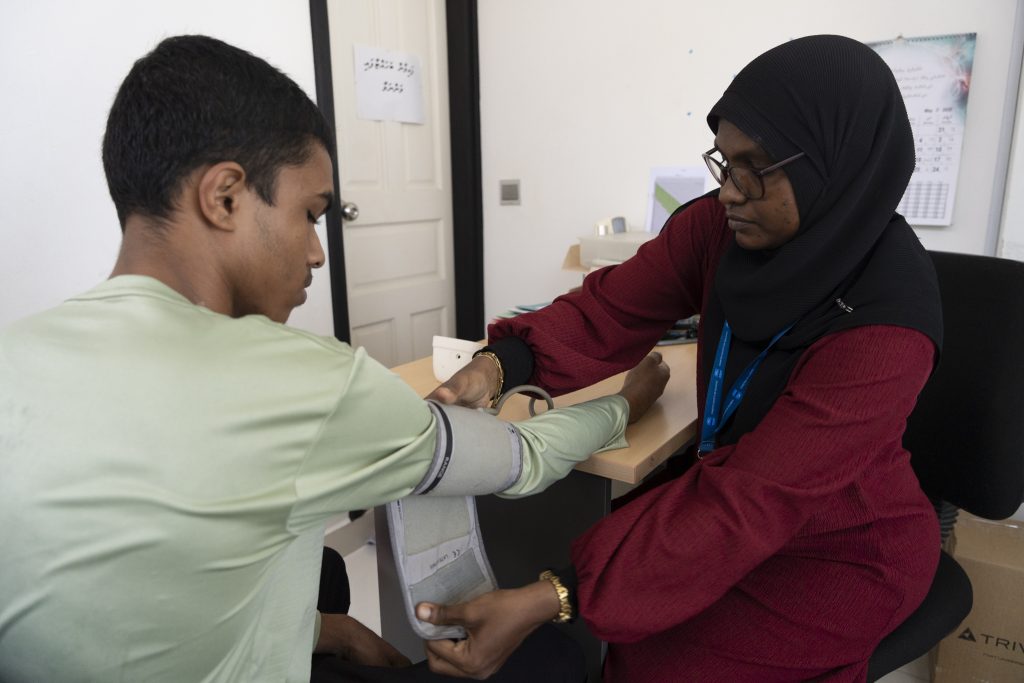
Patients may require support from endocrinologists, dietitians, psychologists, diabetes educators, eye specialists, and other healthcare professionals. They also require regular examinations to identify possible complications.
The Maldives has professionals working in many of these areas, particularly in Malé. However, Dr. Malha says there is no clearly coordinated pathway connecting patients to all the services they need.
“Even though they are there, it is very fragmented,” she says.
A patient may attend one facility for routine diabetes care, another for mental-health support, and another for an annual eye examination. Families are often left to identify services, arrange appointments, and coordinate their own care.
DSM has attempted to bridge some of these gaps through externally funded programmes and partnerships.
Under one such initiative, the organization reached an agreement with a mental-health clinic to provide psychosocial support. It also partnered with an eye-care hospital to facilitate annual eye examinations and retinal consultations.
However, these temporary arrangements do not replace a permanent national system.
Dr. Malha says the Maldives also lacks professionals specialising specifically in Type 1 diabetes. The country does not yet have a paediatric endocrinologist, while psychologists and dietitians may be able to provide only general advice rather than support tailored to the condition.
Geography further complicates access. More than 300 people with Type 1 diabetes are registered with DSM, and approximately two-thirds live outside the Malé area.
Patients travelling from the islands may have to pay out of pocket for transport, accommodation, and food to access specialist services. Long hospital queues can mean they are unable to complete consultations or attend follow-up appointments before they must return home.
For families already paying for essential diabetes supplies, additional services may become unaffordable.
Dr. Malha notes that blood glucose testing strips are still not covered under Aasandha. When families must choose how to spend limited money, immediate physical needs are likely to take priority over psychological care.
“They are more worried that, ‘My blood sugar might go too low or too high. I need to pay for this first,’” she says.
A national programme for Type 1 diabetes
Asked what single policy reform she would prioritise, Dr. Malha called for a fully funded, decentralised, and integrated national Type 1 diabetes care programme.
The programme, she says, should bring medical, psychological, and practical support into one coordinated pathway.
Patients should not be left to independently locate an endocrinologist, psychologist, dietitian, eye specialist, and other services. Once enrolled in the programme, they should have a clear route to every component of care they require.
The system should also be accessible throughout the country, reducing the need for families to repeatedly travel to Malé.
Where advanced treatment cannot be provided locally, patients should be given a clear and convenient referral pathway.
Such a programme would not make Type 1 diabetes less demanding. Patients would still have to monitor their blood sugar, calculate insulin doses, and make daily treatment decisions.
But it would mean they no longer have to navigate the disease, public stigma, and a fragmented healthcare system largely on their own.
For Dr. Malha, making Type 1 diabetes visible begins with understanding that an injection is never just an injection.
Behind it is a decision about food, movement, time, and risk. Behind a student leaving the classroom may be the fear of being judged. Behind an abnormal glucose reading may be exhaustion, anxiety, or a family struggling to access support.
The work of staying alive is already relentless. Patients should not have to hide it.