

Beyond Survival: Eshu Riyaz’s Journey from Open-Heart Surgery to Community Champion
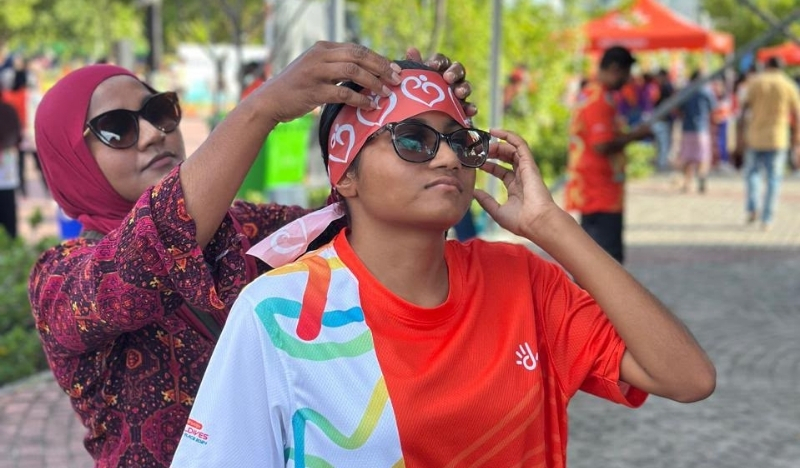
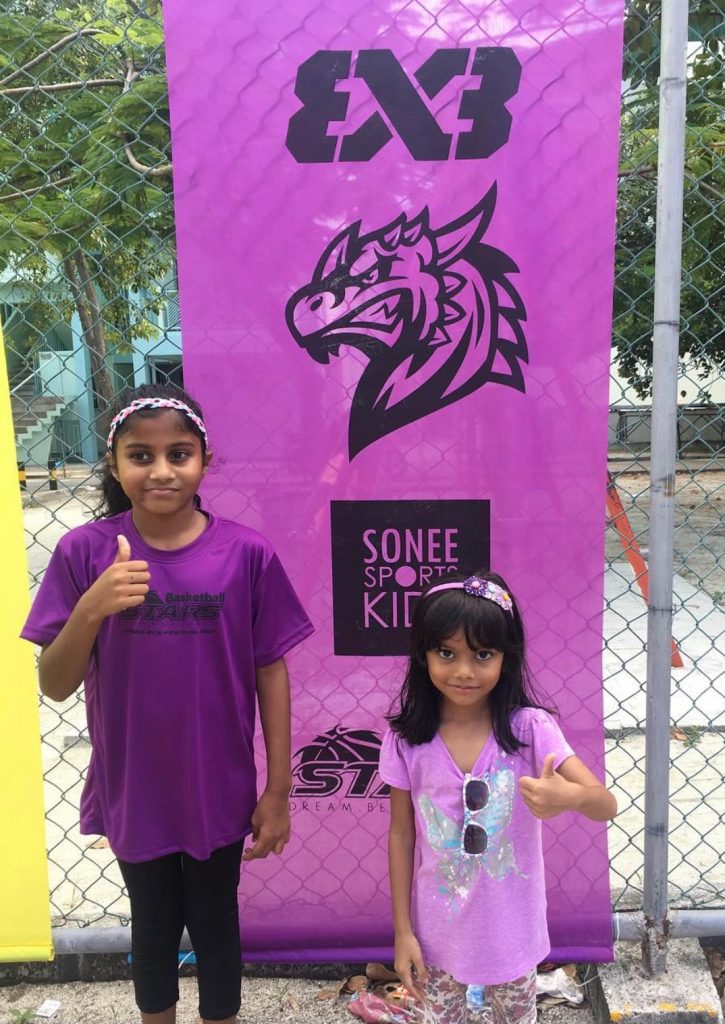
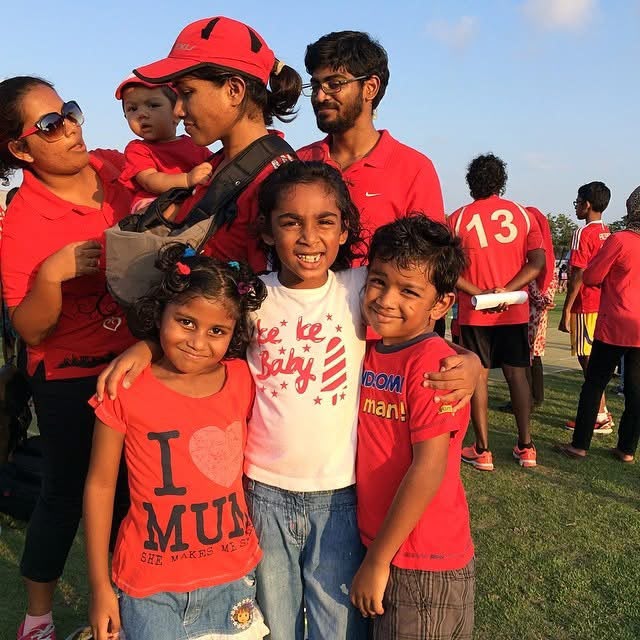
Aishath Eshal Hussain Riyaz (Eshu) with her mother preparing for a race.
“Knowing that I survived a major open-heart surgery when I was only 11 days old gives me confidence that I can overcome difficult situations. I believe this experience has taught me to never give up and to face life with courage, hope, and resilience.”
– Aishath Eshal Hussain Riyaz (Eshu)
Society often expects a person with a history of severe health challenges to live a quiet life. When you survive a nine-hour open-heart surgery at just eleven days old, the unspoken advice from those around you is almost always to “take things easy.” The common assumption is that your physical limits dictate your potential.
advertisement

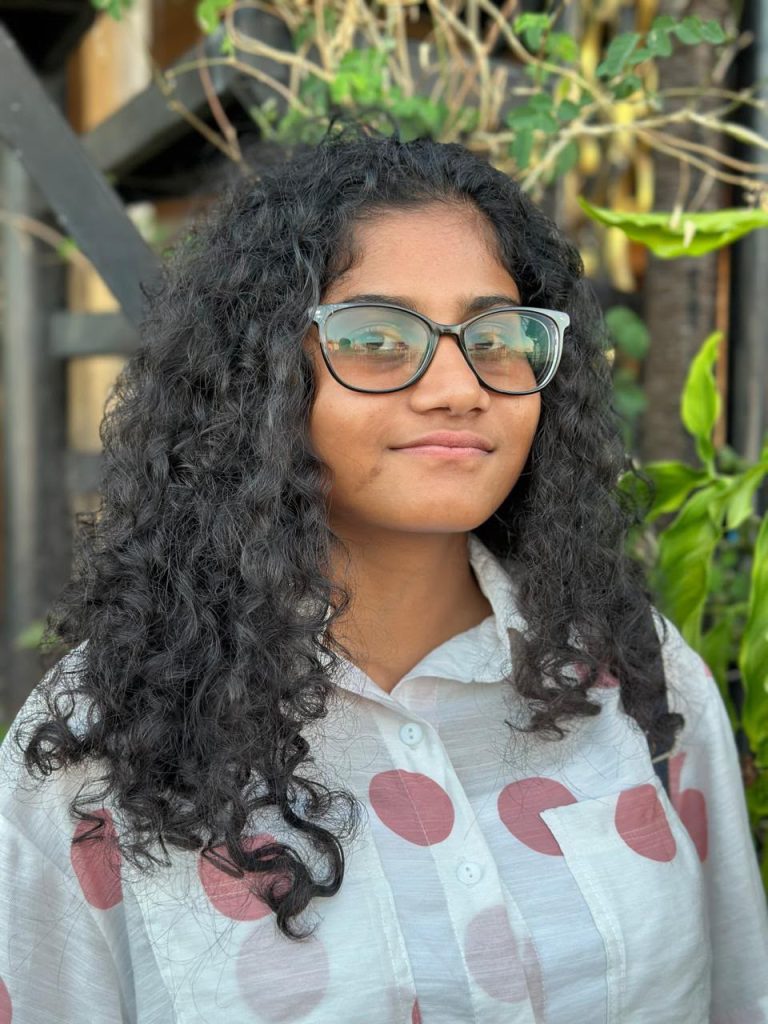
But Aishath Eshal Hussain Riyaz (Eshu), 16, views her past survival as a source of strength rather than a limitation.
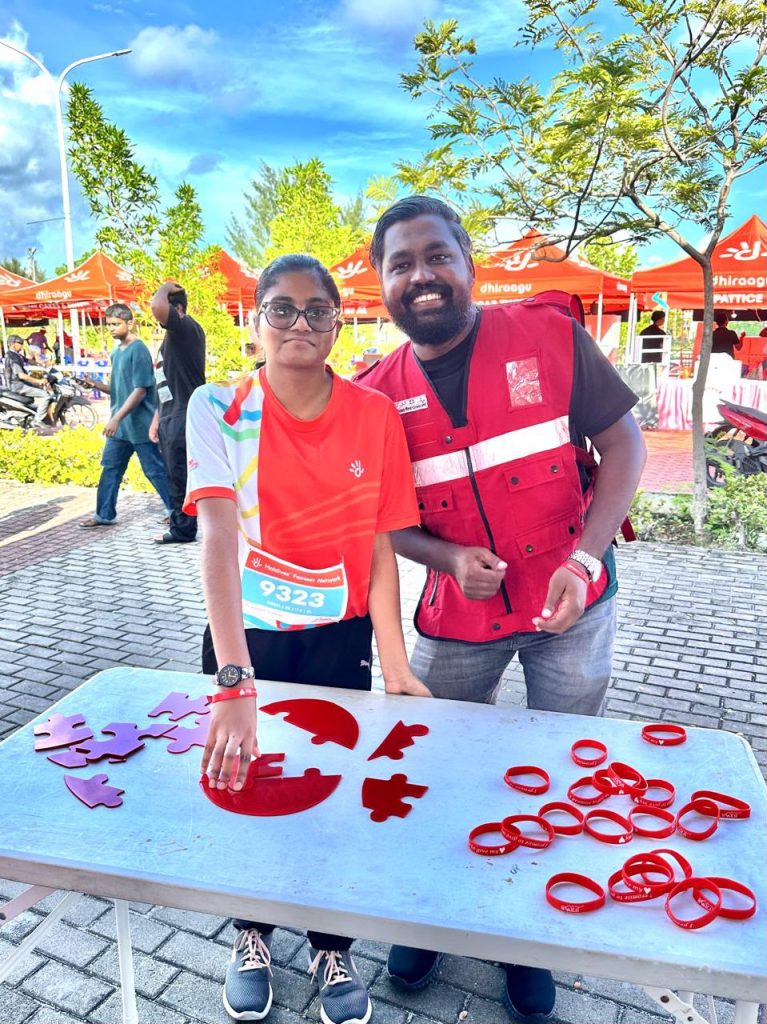
Instead of stepping back, this young Maldivian girl is actively choosing a demanding path. While balancing the heavy academic workload of upper secondary school exams, she spends her remaining time volunteering and working in community advocacy. Her daily life is shaped not by the limitations of her medical past, but by her current choices and goals.
This profile looks at Eshu, a young “heart warrior” whose everyday choices challenge the public misconception that people born with congenital heart conditions are inherently fragile or limited. Through her focus on her education and her active volunteer work with Tiny Hearts of Maldives, her story reframes the narrative around chronic health conditions from one of passive survival to one of active participation, showing that physical scars do not equate to permanent limitations.
The Art of Everyday Balance
Balancing upper secondary education is demanding for any student, but doing so while managing a lifelong physical condition adds a completely different layer of difficulty. For Eshu, the heavy pressure of preparing for exams requires a deliberate, disciplined approach to maintaining personal energy. Rather than pushing past her physical limits, she treats her health as the foundation for everything else she does—learning to listen to her body, schedule rest, and accept support from family and educators when needed.
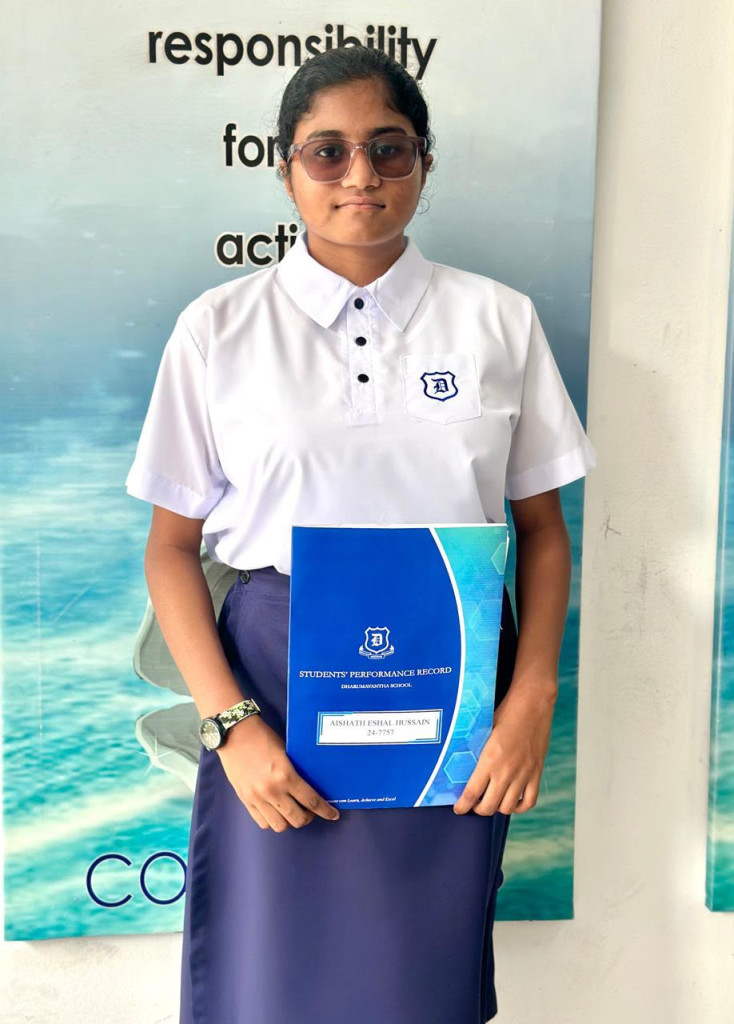
“Managing academic pressure while also taking care of my physical well-being has taught me the importance of balance,” Eshu explains. “I understand that my health is my foundation, so I make sure to listen to my body, get enough rest, and not push myself beyond my limits.”
This resilience was built early, rooted in a history she does not even remember. She was born with a heart condition called d-Transposition of the Great Arteries (d-TGA), a rare and serious congenital defect where the two main arteries leaving the heart are reversed, severely cutting off oxygenated blood from the rest of the body. As an eleven-day-old infant, she survived a massive, nine-hour open-heart surgery to correct it. Growing up with the knowledge that she fought that hard from the very beginning of her life has provided her with a unique mental grit. Whenever modern academic or personal challenges feel overwhelming, she credits this early history as a reminder that she has already overcome far more difficult circumstances.

“Even though I don’t remember the surgery, I know I have been a fighter since the beginning of my life,” she says. “Whenever I face challenges, I remind myself that I have already survived something much harder.”
Challenging the Silent Stigma
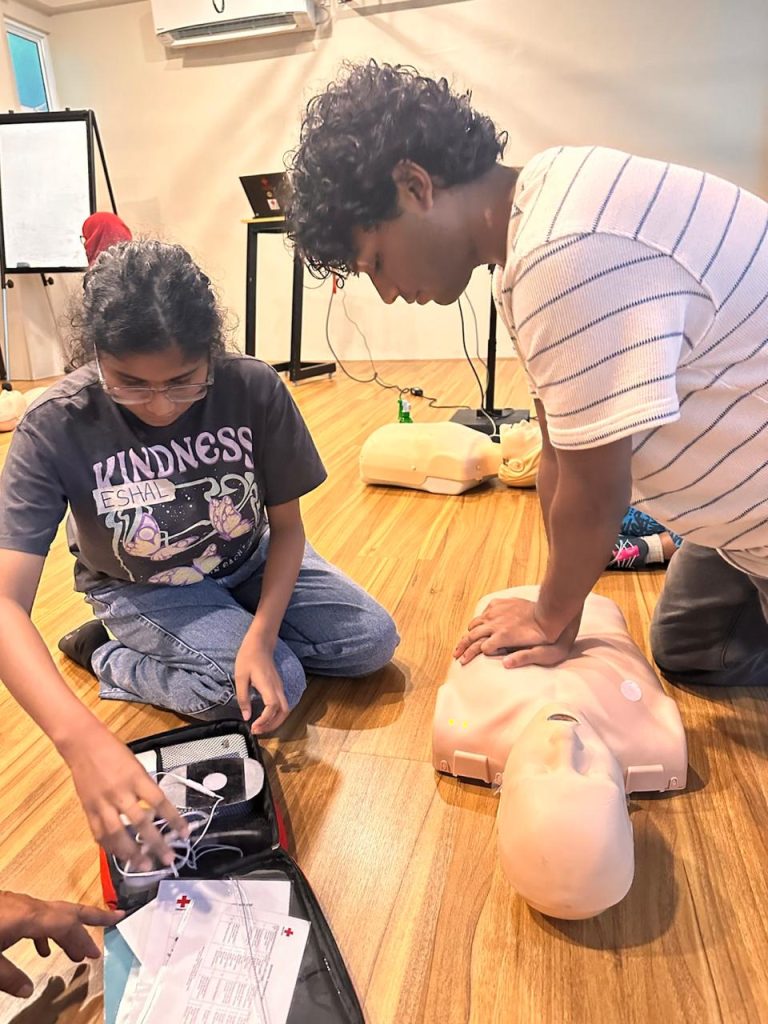
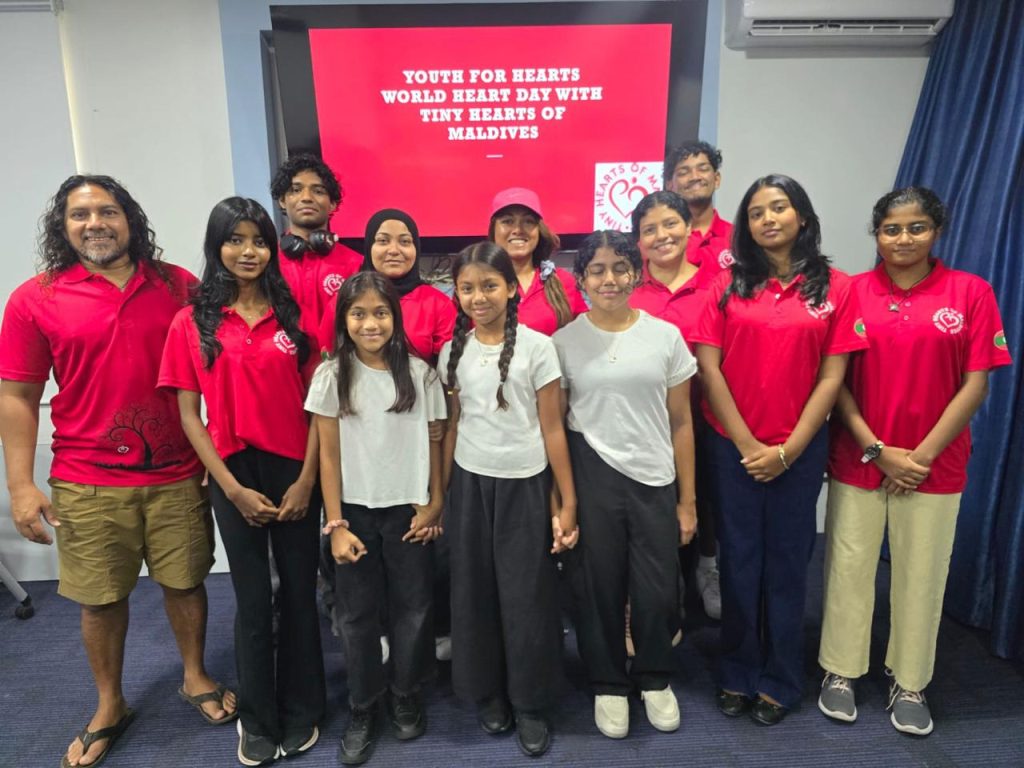
It is a perspective that now drives her work outside the classroom. As a volunteer with Tiny Hearts of Maldives, Eshu uses her own history to guide families navigating the uncertainties of congenital heart conditions. In a society where these conditions are often misunderstood as automatically disqualifying a person from a normal life, her presence provides a direct, practical counterexample. She shifts the focus away from what a patient cannot do, highlighting instead what they choose to achieve with the right balance of care and determination.
“One of the biggest misconceptions about congenital heart conditions is that people with heart conditions are always weak, limited, or unable to live normal and successful lives,” Eshu notes. “I am proud to challenge that belief by showing that having a heart condition does not define a person’s abilities or future.”
For her, completing A-Levels is not just an academic obligation; it is the essential gateway to a much larger horizon. Looking beyond these immediate exams, she is eager to continue her education and explore new opportunities to grow.
“Going through major heart surgeries has taught me that life is precious and should never be taken for granted,” Eshu reflects. “Instead of letting my condition hold her back, it motivates me to make the most of every opportunity.”
The Next Stage of Advocacy
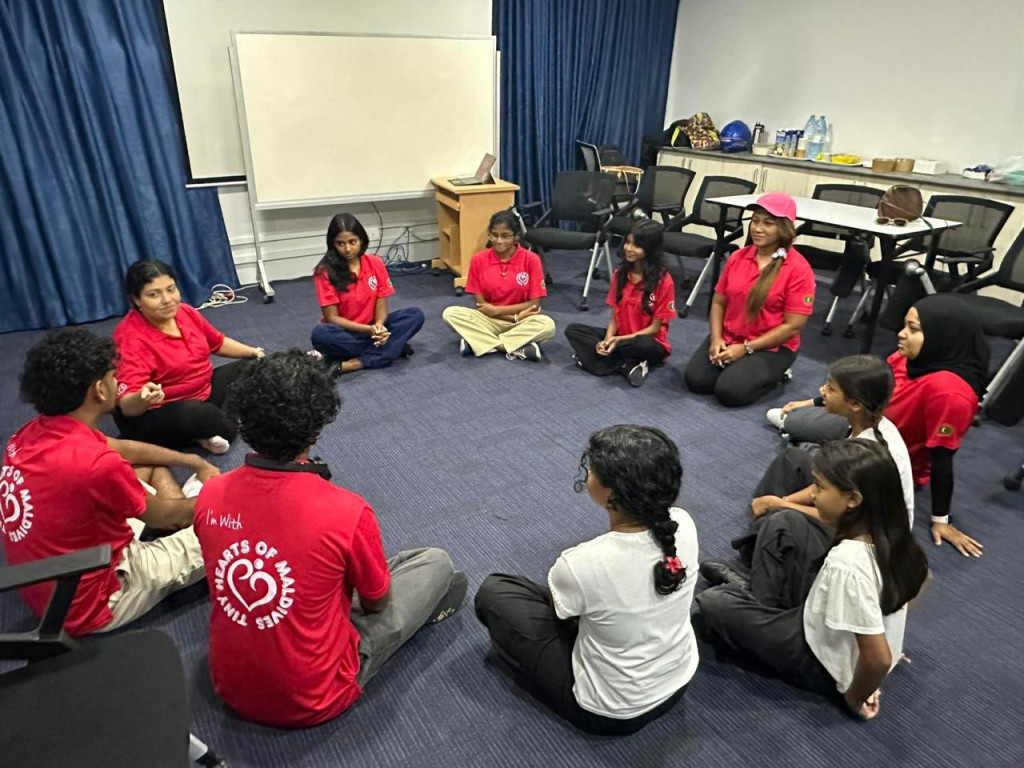
This desire for personal growth naturally extends into her aspirations for the community. Her ultimate goal is to use her academic achievements as a stepping stone to expand her advocacy, using her growing public voice to build a stronger network of awareness and long-term support for fellow heart warriors and their families.
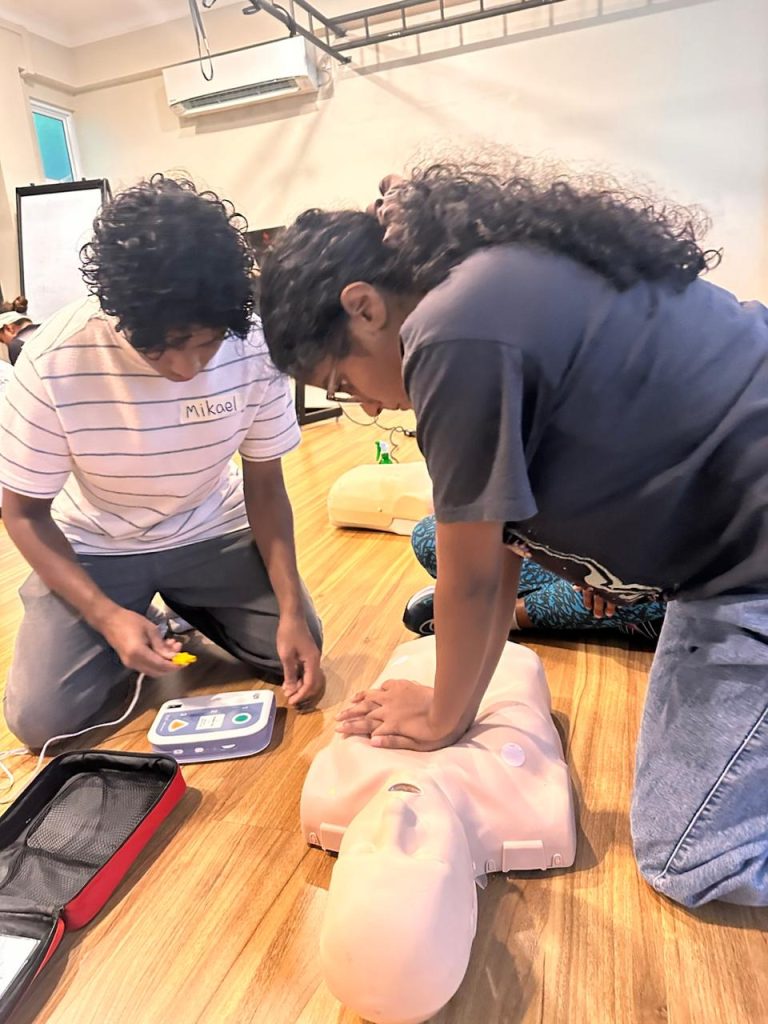
“Being able to help others is one of the most meaningful ways I can express my gratitude for the life I have been given,” Eshu says, reflecting on her work. “If my story can give even one child or one family hope, encouragement, or strength, then sharing my experience is worthwhile.”
Reaching those long-term goals, however, depends entirely on how she handles the immediate present. Managing the day-to-day mental fatigue of upper secondary school requires a highly structured, intentional approach.
When academic pressure peaks, Eshu handles the strain by breaking her workload down, focusing strictly on what she can control while organizing her studies around realistic, achievable goals. Rather than allowing stress to accumulate, she makes it a priority to step away from her books to participate in advocacy events from time to time, or simply carve out deliberate time to recharge through activities that bring her personal happiness and peace.
“When I feel mentally tired or overwhelmed, I remind myself to take things one step at a time and focus on what I can control,” she explains. “I organize my studies, set realistic goals, and give myself time to recharge through activities that bring me happiness and peace.”
This internal balance fuels her drive to continually challenge the idea that a medical history dictates a person’s future potential. Instead of letting her heart condition hold her back, it motivates her to make the most of every opportunity, viewing exams and occasional community work as ways to grow rather than burdens to carry. For her, living life to the absolute fullest means proving to herself that fear cannot stop her from pursuing a meaningful life.
Rejecting Permanent Boundaries
It is a living proof of success that she wants to pass on to the next generation of Maldivian families facing similar diagnoses.
To parents who have just learned their newborn has a heart condition, her message is simple: do not lose hope. She urges them to trust their medical teams, look past the initial fear, and recognize that a child’s future is not limited by the condition they were born with.
“The number one message I want to give to parents is: do not lose hope,” she emphasizes. “Hearing that your newborn has a heart condition can be frightening and overwhelming, but it does not mean that your child’s future is limited.”
This same sense of shared strength forms the core of her advice to other young heart warriors who might currently feel limited or scared about what lies ahead. She wants them to know they are not alone and that their physical trauma carries a completely different meaning than the world might think.
As Eshu beautifully puts it: