

From Her First Transfusion at Three Months to Motherhood: Saifa Ibrahim Naseer’s Story
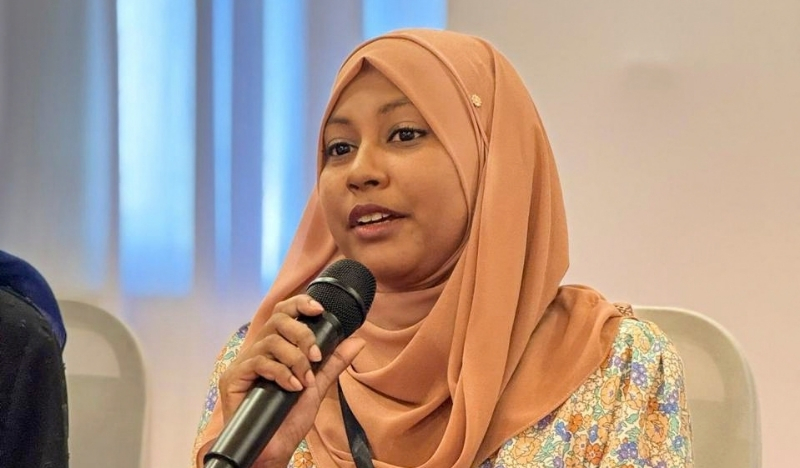
Saifa Ibrahim Naseer.
“I believe being open about thalassemia can also help create greater awareness and understanding. Over time, I have become comfortable with the fact that it is a part of my life, without allowing it to define who I am.“
For a lot of us, our driving force is often connected to advantages inherited at birth. Whether it’s wealth, physical features, or even where we are born. However, some of us are born with certain conditions that are ‘disadvantageous’, which force us to plan our daily lives within a rigid schedule to avoid lethal complications. People who are born with a Non-Communicable Disease (NCD) fall into this category.
advertisement
advertisement

For Saifa Ibrahim Naseer, 29, a beta thalassemia major carrier, the seeming disadvantages of being diagnosed with one of the most common NCDs in the Maldives do not stop her from living a full life.
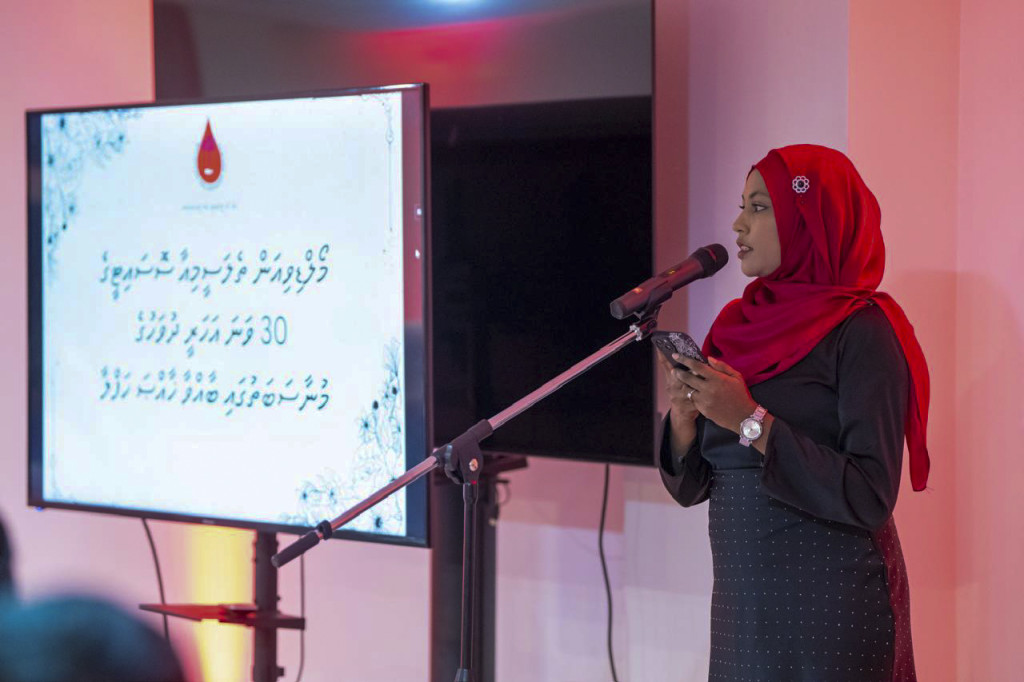
In this exclusive interview with MV+, she shares how, from receiving her first blood transfusion at three months old, followed by being diagnosed with thalassemia at just six months, she now manages the many crucial necessities that come with being a person with thalassemia, from regular blood transfusions to choosing a life partner, alongside juggling her career and being a mother.
Before that, it is important to touch upon the impact of thalassemia in the Maldives.
One of the highest thalassemia rates globally
The prevalence of thalassemia in the Maldives is estimated at 16 to 18 per cent of the population. A drastically high amount, even by global standards, as noted in a study published in 2016 in the National Library of Medicine.
According to the latest statistics from the Maldives Blood Services (MBS), the main government authority tasked with providing assistance to thalassemia carriers in the Maldives and managing a thalassemia patient registry, there are a total of 981 people registered with the MBS who are thalassemia carriers requiring regular blood transfusions.
Needless to say, the Maldivian society is not unfamiliar with the condition. But the reasons behind such high numbers go deep into the country’s past.
The study mentioned that the high carrier rate is partly a leftover defense mechanism from history. Centuries ago, when malaria was common across the islands, carrying the thalassemia gene gave locals a natural protection against the deadly disease, helping them survive.
At the same time, early migration played a big role. Over history, multiple groups of people moved to the Maldives from mainland Southeast Asia. In small, isolated island communities, through marriages within families, this gene was passed down through generations, making it far more common over time.
What started as a biological shield against malaria decades ago has now become one of the country’s biggest health challenges today.
Forced migration: life uprooted, and an endless search for life-saving blood
“There are still moments that remind me of my childhood, especially the memories of the many needle pricks and medical procedures, and some of those fears have never completely disappeared.”
Besides Saifa, her brother is also a beta-thalassemia major. During her childhood, her family moved to the capital, Malé, from Noonu atoll Maafaru, after her brother’s diagnosis.
In February, the MBS issued a warning as the national blood bank fell to critical levels, owing to fewer donors. MBS urged the public to increase donations. This is the situation currently, when health care services have improved significantly compared to before.
For Saifa and her family, the hurdles did not cease with the migration to Male’.
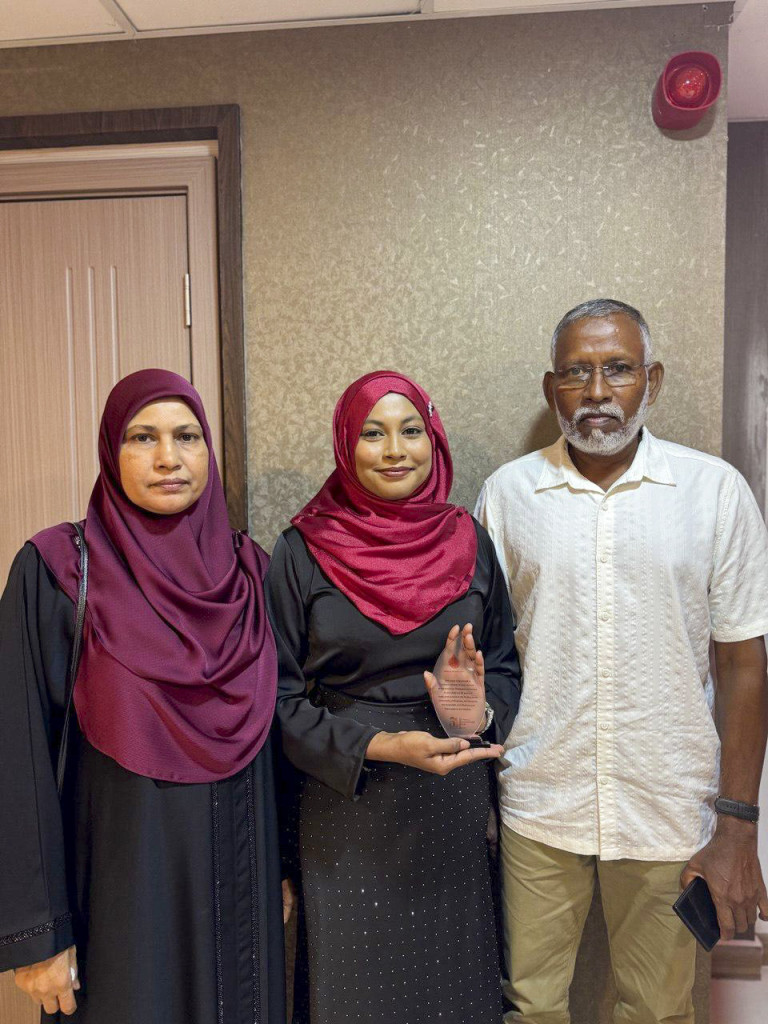
“Another significant challenge was finding blood for both my brother and me, especially because we have different blood groups. At a time when blood donation was not as common as it is today, finding suitable donors was often difficult and placed a considerable responsibility on our family.”
Reflecting on her parents’ decision, Saifa expressed that she now realizes the sacrifice they had to make to uproot their entire lives and move to the capital city. A sacrifice rooted in the need to have better access to crucial health care services.
The medical aspect of the treatment process for a chronic condition differs from healing from a temporary injury. For a lifelong condition such as thalassemia, the consistent support and assistance from one’s own family and friends is as essential as the medical aspect itself.
For Saifa’s parents, their commitment to paving a path — not just for her treatments, but for her mental well-being— didn’t end simply at restarting their lives in the capital. Throughout it all—the bi-weekly blood transfusions, beginning a family of her own, migration to Male—her family had remained her rock. A factor that has molded Saifa into an unyielding woman in the face of adversity.
From Needle Pricks to New Beginnings
“Living with thalassemia has made me value mutual understanding and open communication in relationships. For me, it is important to have a partner who is willing to learn about my condition and understand the realities of family planning.”
A decision unique to thalassemia carriers, an additional one compared to those who don’t, is at times necessary between those wishing to settle down. This step is checking the thalassemia compatibility matrix or chart in order to determine whether any children would be carriers. For beta-thalassemia major carriers, three other carrier types are incompatible. A seemingly simple procedure, yet it carries profound consequences for those with the condition.
For Saifa, finding a partner who understood these realities was paramount.
“Pregnancy can involve additional challenges and risks, so having someone who is prepared to face those difficulties together is essential,” she explains. “I am especially grateful for the unwavering support I received from both our families as we navigated the challenges of a high-risk pregnancy. Their encouragement and understanding made a significant difference throughout the journey.”
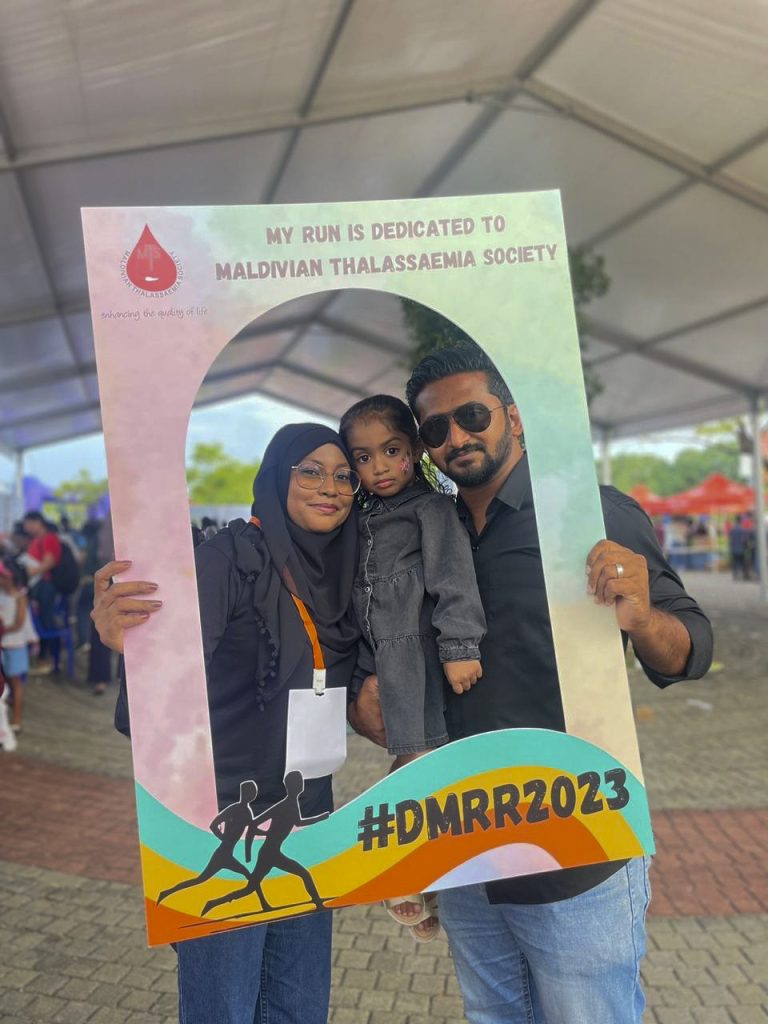
Her husband’s continuous encouragement proved to be a cornerstone of her well-being. “His understanding, support, and willingness to be there for me have been a great source of strength, and I am truly thankful to have him by my side.” Today, as a wife and mother to a young daughter, Saifa balances family life alongside her professional identity as an artisan gelato maker, with a passion for cooking and baking.
Words for the Next Generation
For those newly diagnosed or struggling to adjust to a life governed by medical schedules, Saifa offers grounded guidance. Her primary message is simple: do not let a diagnosis dictate the boundaries of your potential.
“Your diagnosis does not define your future,” Saifa stresses. “While the journey may seem overwhelming at first, with the right treatment, support, and a positive mindset, you can live a full and meaningful life.”
To maintain consistency and avoid medical disruptions, she advises patients to adhere strictly to treatment routines and seek guidance from healthcare professionals who understand the nuances of chronic care. Most importantly, she urges individuals to build a strong network of supportive family and peers, similar to her own circle of loved ones.
“Never let thalassemia limit your dreams. It is a part of your life, but it does not have to determine who you are or what you can achieve. Believe in yourself, take one day at a time, and remember that you are stronger than you think. There is a whole community ready to support you, and you are never alone in this journey”