
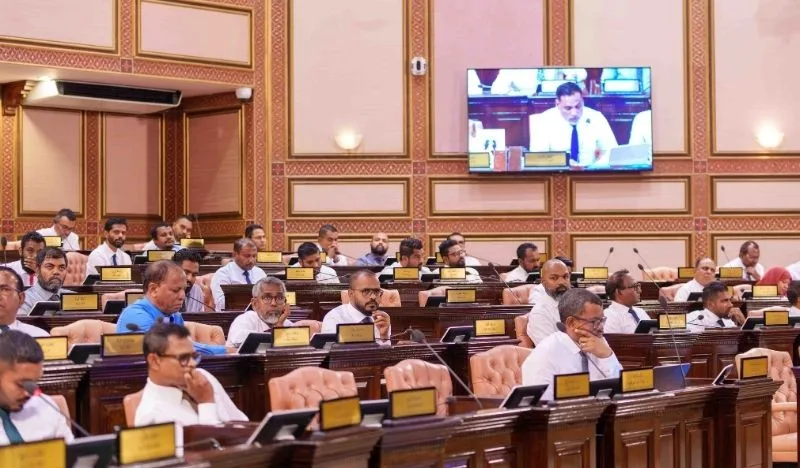
The Government has formally submitted a comprehensive Mental Health Bill to the People’s Majlis, aiming to establish a standardized legal framework for mental healthcare delivery and protect the fundamental rights of individuals experiencing mental health conditions.
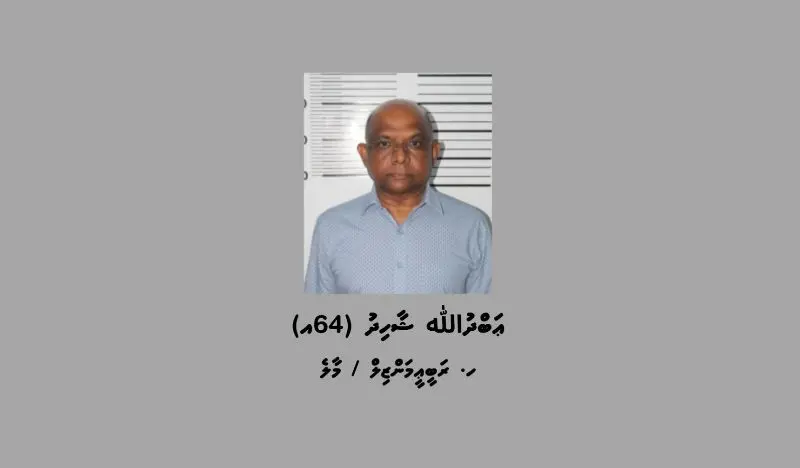
The bill was introduced on behalf of the government by Machangoalhi South MP Musthafa Hussain.


The primary purpose of the legislation is to ensure mental health services and treatments in the Maldives are provided under a regulated, community-integrated system that upholds patient dignity. Key objectives include:
- Clinical and Non-Clinical Care: Establishing medical, psychological, and counseling-based interventions alongside non-clinical psychosocial support services.
- Community Integration: Facilitating access to quality care within a patient’s own community without isolating them from society.
- Patient Autonomy & Consent: Enforcing clear protocols for treatment consent, safeguards for those unable to consent independently, and allowing individuals aged 18 and above to draft Advance Mental Health Directives outlining their future care preferences.
- Public Awareness: Promoting mental health literacy, reducing stigma, and mandating the Ministry of Education and educational institutions (schools and universities) to provide psychosocial support for students.
Under Section 5 of the bill, a “person experiencing mental illness” is strictly defined as an adult or child formally diagnosed by a qualified mental health professional. The bill explicitly prohibits labeling anyone as mentally ill based solely on:
- Social status, culture, religion, race, or political beliefs.
- Non-conformity to societal, moral, religious, cultural, or workplace norms.
- Substance use, intellectual disabilities, family disputes, or a prior history of mental health diagnosis or treatment.
Furthermore, the bill criminalizes the social isolation or discrimination of individuals undergoing or recovering from mental health treatment, guaranteeing their legal capacity to make decisions regarding their own care.
To oversee the implementation of the law, the bill establishes several key mechanisms:
- National Mental Health Policy & Action Plan: The President, on the advice of the Cabinet, must formulate a National Mental Health Policy, backed by a minimum 5-year Action Plan developed by the National Mental Health Department (established as a formal government agency under the Ministry of Health).
- Mental Health Review Board: Within 30 days of the law taking effect, the Health Minister must appoint a 5-member Review Board, comprising a psychiatrist, psychologist, mental health NGO representative, social worker, and a legal expert, serving 5-year terms. The board holds the authority to issue treatment orders, approve specialized procedures, and inspect correctional or detention facilities where mental health care is administered.
- Multi-Sectoral Crisis Response: The Ministry must establish an emergency response system involving health professionals and the police to assist individuals experiencing acute mental health crises. While police may act as first responders to prevent harm, the bill strictly prohibits holding individuals with mental illness in police custody as a “safe place”; they must be handed over to healthcare professionals immediately.
The bill imposes stringent controls on invasive procedures and patient confidentiality:
- Electroconvulsive Therapy (ECT): ECT can only be administered with the patient’s written consent, full disclosure of risks to the patient and family, prior approval from the Mental Health Review Board, and mandatory use of muscle relaxants and anesthesia.
- Banned Practices: Performing ECT without anesthesia/muscle relaxants, administering ECT or psychosurgery to children, and performing forced sterilization on women with mental illnesses are strictly prohibited.
- Media & Privacy Rules: Journalists and media outlets are legally required to adhere to responsible reporting guidelines. Disclosing a patient’s personal or medical information without consent is prohibited.
Penalties for Violations:
- Breach of Confidentiality: Healthcare providers who unlawfully disclose patient information face fines between MVR 50,000 and MVR 100,000.
- Unauthorized or Prohibited Treatments & Negligence: Administering prohibited treatments, proceeding without Review Board approval, or violating professional conduct carries a fine of MVR 100,000 alongside a 2-year suspension of the practitioner’s professional license.
- Life-Threatening Negligence: If intentional negligence puts a patient’s life in danger, the offender faces up to 2 years in prison in addition to the fine and license suspension.