

Gov’t Targets Crime Networks, Prison Reform in Comprehensive Crime Overhaul, Says Minister
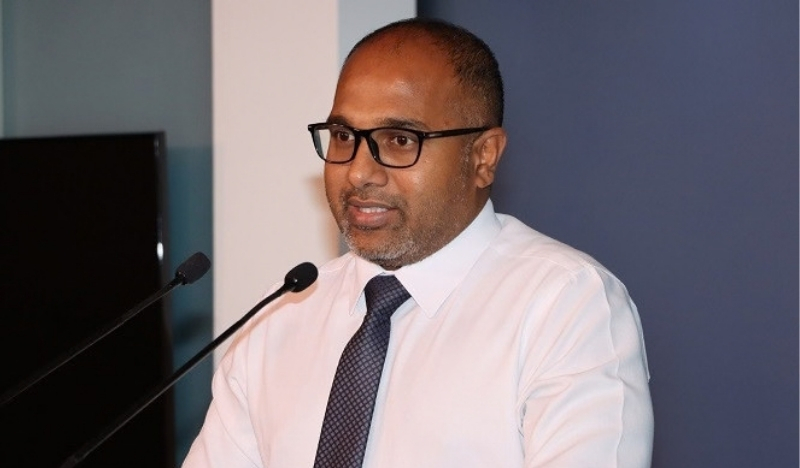
Minister of Homeland Security, Labour and Technology, Ali Ihusaan.
Minister of Homeland Security, Labour and Technology, Ali Ihusaan, has outlined the administration’s comprehensive measures to tackle illicit drugs, organised gang violence, and overcrowding in detention facilities during the public “Ahaa” forum.
Addressing the persistent influx of illicit drugs into the country, Minister Ihusaan announced that airport border security has been significantly reinforced since last January with the installation of body scanners at Malé and Addu airports. Intelligence-led operations recently intercepted two Nepalese nationals attempting to traffic narcotics concealed internally into the Maldives.
advertisement

advertisement

Highlighting a shift toward total supply reduction, the Minister reported that authorities have seized approximately 1.3 tonnes of illicit drugs over the past two and a half years valued at MVR 1.5 billion on the street, setting a record for drug interdiction compared to previous administrative terms.
He also said that rather than targeting low-level users, state enforcement is focusing on dismantling trafficking networks. Minister Ihusaan noted that authorities are currently investigating 24 major networks, with three cases already finalised in court. Police have seized over MVR 3.6 million and USD 148,000 in cash, alongside millions in secondary assets, to ensure illicit profits are confiscated by the State.
He said that to curb local distribution, authorities have conducted targeted raids on chronic “drug cafes.” Over the past two and a half years, one site alone was raided more than 140 times. Under updated legal frameworks allowing court-ordered closures, he stated that 17 drug dens have been shut down, 12 in Malé, four in Addu Atoll, and one in Fuvahmulah, with further closures planned through November. Legislative measures now allow the government to seize properties that repeatedly host illicit drug activities.
"މަސްތުވާތަކެތީގެ ވިޔަފާރިކުރާ 17 ކެފޭއެއް ޤާނޫނީ އިމުގެ ތެރެއިން ބަންދުކޮށްފި. ކުރިއަށް އޮތް ނޮވެމްބަރުގެ ނިޔަލަށް މާލޭގެ ހުރިހާ ޑްރަގް ކެފޭތަކެއް ބަންދުކުރުމަކީ އަމާޒެއް." – ވަޒީރު ޢަލީ އިޙްސާން#Ahaa pic.twitter.com/n2ufePZqMb— Ministry of Homeland Security, Labour & Technology (@HomeMinistrymv) September 28, 2026
To address addiction, Minister Ihusaan stated that the government is prioritising demand reduction through expanded treatment and rehabilitation options for users and victims. He said that the administration introduced capital punishment for severe drug trafficking offences under recent legal amendments, underscoring its commitment to enforcing the death penalty as a deterrent.
Reflecting on gang violence, an issue that claimed two to five young lives annually between 2006 and 2022 according to Minister Ihusaan, he noted that no Maldivian lives have been lost to gang violence over the past three years.
He stated the police have carried out 52 targeted operations against organised gangs, checking 10,450 individuals, arresting 517 suspects, and impounding 660 motorcycles linked to criminal activity. Minister Ihusaan added that authorities have raided 26 safehouses used for gang recruitment, with investigations into 10 major gang leaders underway following operations launched in June.
He highlighted that police have intercepted 212 at-risk minors off the streets over the last two years and reunited them with families following counselling, countering a trend driven by a 2019 law exempting children under 15 from criminal liability. As a long-term solution, he pointed to President Dr Mohamed Muizzu’s strategy to develop “Hope Island,” a dedicated facility designed to provide youth with specialised care, rehabilitation, and education.
Addressing criticisms regarding prison conditions, Minister Ihusaan clarified the structural challenges inherited by the administration. The Malé prison lost its 400-inmate capacity after the previous administration constructed the neighbouring Dharumavantha School and said a school cannot be next to a prison, while a further 100 custodial cells in Dhoonidhoo were also demolished during the prior government’s tenure, creating an immediate deficit of 500 places.
He further elaborated that to resolve systemic overcrowding, the government has already added 400 new prison cells, with an additional 100 cells scheduled for completion by the end of this month to bring the system back to baseline. The government has also upgraded basic infrastructure across all facilities. Most of the jail cells now feature electricity and active ventilation, with select units fitted with air conditioning.
The Minister emphasised that the administration remains focused on modernising the correctional service into an institution that balances secure detention with genuine rehabilitation before returning offenders to society.