

How a Distant Conflict Reached the Maldives Through Tourism
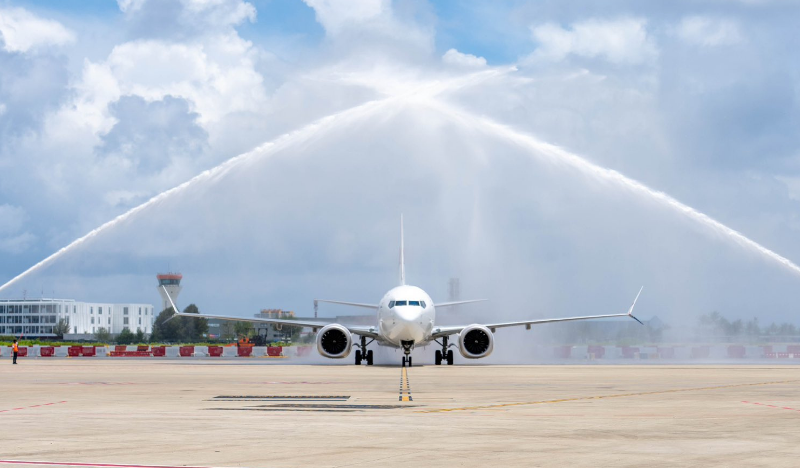
Photo: MACL
A war thousands of kilometres away briefly rippled through one of the world’s most tourism-dependent economies.
After recording its strongest February in three years, tourist arrivals to the Maldives fell sharply in March and April as regional conflict disrupted aviation routes and created uncertainty across the travel industry. By May, arrivals had recovered, but the episode offered a reminder of how exposed the country’s tourism sector remains to events beyond its borders.
advertisement

But the momentum did not last.
Tourist arrivals fell sharply in March and April, coinciding with the escalation of conflict between Iran and the United States and the disruption of flight routes across parts of the Middle East. March arrivals dropped to 161,259, down more than 42,000 visitors compared to the same month in 2025. April arrivals fell further to 152,861, almost 50,000 fewer than the previous year.
While the data alone cannot prove the conflict caused the decline, the timing highlights how vulnerable the Maldives remains to events beyond its borders. The country’s tourism industry depends heavily on international air travel, meaning disruptions thousands of kilometres away can quickly be felt at home.
The slowdown, however, proved temporary.
By May, tourist arrivals had recovered to 127,314 visitors as of May 28, exceeding the same period last year by about three percent. The rebound suggests that while external shocks can disrupt tourism flows, demand for the Maldives remains resilient.
The data also shows how concentrated the country’s tourism market remains. China continues to be the largest source market, accounting for 15.6 percent of arrivals this year, followed by Russia at 13.5 percent. Together, the two countries make up nearly one in every three tourists visiting the Maldives.
The Maldives was never directly involved in the conflict. Yet the figures offer a reminder that in an economy built on tourism, distance offers little protection from global events. What happens elsewhere in the world can quickly arrive on Maldivian shores—not through politics or diplomacy, but through the tourists who choose, or are unable, to travel.