

NDA, China’s Yunnan University Sign MoU to Use AI in Drug Rehabilitation and Mental Health
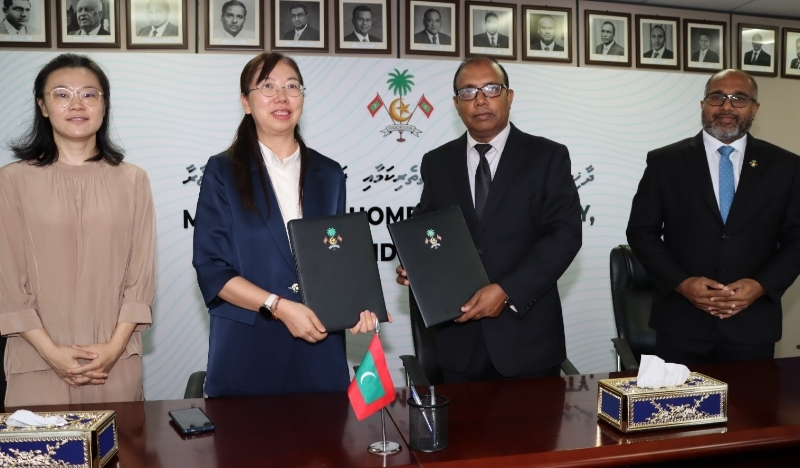
The MoU was signed by NDA Board Chairperson Ahmed Siddiq and Yunnan University School of Software and Artificial Intelligence Vice Dean Professor Sai Li.
The National Drug Agency (NDA) and China’s Yunnan University have signed a memorandum of understanding to use artificial intelligence (AI) and data science to strengthen drug rehabilitation and mental health services in the Maldives.
The agreement aims to use emerging technologies to address challenges in treatment, support research and provide technical assistance to the NDA. It will also facilitate specialised training to strengthen the agency’s staff capacity, with practical implementation of the initiative to take place at the NDA.
advertisement

The MoU was signed by NDA Board Chairperson Ahmed Siddiq and Yunnan University School of Software and Artificial Intelligence Vice Dean Professor Sai Li. Minister of Homeland Security and Technology Ali Ihusan, senior NDA officials and members of the Chinese delegation attended the signing ceremony.
NDA Deputy Director General Abdulla Faseeh said the initiative will focus on identifying AI-based approaches that are culturally appropriate and user-friendly for the Maldivian context. He said AI could help address barriers faced by people when discussing mental health issues by supporting assessments and identifying opportunities to expand services.
މަސްތުވާތަކެތީގެ ވަބާއިން މީހުން ސަލާމަތްކުރުމަށް ދެވޭ ފަރުވާ އާއި ނަފްސާނީ ދުޅަހެޔޮކަމުގެ ޚިދުމަތްތައް ތަރައްގީކުރުމަށްޓަކައި، އާޓިފިޝަލް އިންޓެލިޖެންސް އަދި ޑޭޓާ ސައިންސް ބޭނުންކުރުމާ ގުޅޭގޮތުން ޗައިނާގެ ޔުނާން ޔުނިވަރސިޓީއާއި ދިވެހިރާއްޖެއާ ދެމެދު ވެވުނު ފަހުމުނާމާގެ ދަށުން… pic.twitter.com/9itIneKZ3R— Ministry of Homeland Security, Labour & Technology (@HomeMinistrymv) August 19, 2026
Faseeh also said the agreement would give NDA staff access to international-standard training and expertise, which he said could contribute to further developing drug rehabilitation services in the Maldives.
The initiative comes as drug rehabilitation and access to mental health services remain areas requiring greater capacity and facilities. Maldives Police Service statistics show that 1,738 drug-related cases have been reported to police so far this year, compared with 2,065 cases recorded throughout 2025.
Mental health services also remain heavily concentrated in the Greater Malé Area. Health Minister Geela Ali told Parliament in June that the government had allocated a 10,000-square-foot plot in Hulhumalé for a dedicated mental health hospital.
Geela said more than 70,000 mental health consultations had been conducted over the previous three years, with around 45,000 taking place in the Malé region. She said most mental health support services are currently concentrated in the Greater Malé Area, while facilities in other parts of the country remain limited.