

Nearly All Documented Foreign Workers Biometrically Registered, Says President Muizzu
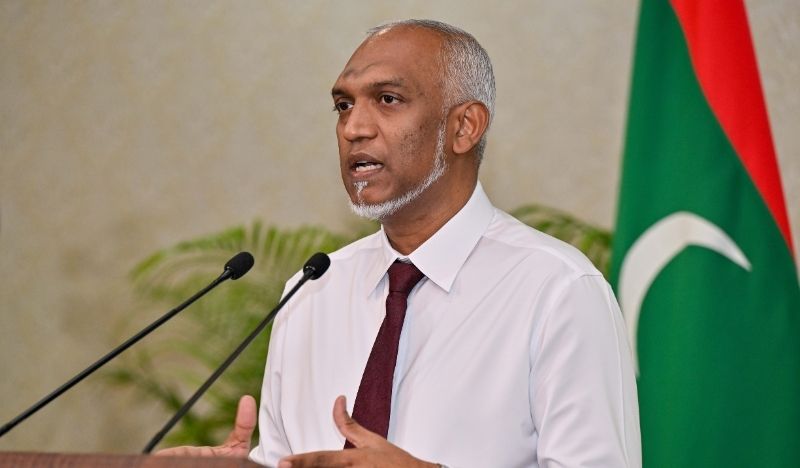
President Dr Mohamed Muizzu at a press conference held at the President’s Office on March 30, 2026 | Photo: President’s Office
President Mohamed Muizzu has said that 98 percent of foreign workers in the Maldives holding valid work permits have completed biometric registration, a significant increase from 13 percent recorded in November 2023.
In a social media post, the president stated that the registration process — which includes collecting 10 fingerprints and photographic identification — is part of ongoing efforts to regulate the expatriate workforce and address illegal residency.
advertisement

He added that over the next six months, authorities will conduct a targeted operation to locate individuals living in the country without proper documentation and deport them.
ސައްޙަކަން ކަށަވަރު ކުރެވިފައިވާ އެކްޓިވް ވޯކްޕަރމިޓުގައި މިވަގުތު ރާއްޖޭގައި ޤާއިމުވެތިބެގެން މަސައްކަތް ކުރަމުންދާ ބިދޭސީ މަސައްކަތްތެރިންގެ ތެރެއިން 98 އިންސައްތަ މީހުން ބަޔޯމެޓްރިކަލީ ކާކުކަން ދެނެގަނެވޭނެ ގޮތަށް 10 އިނގިލީގެ ނިޝާނާއި ސާފު ފޮޓޯ ވަނީ ނަގާ ނިމިފައި. (މި އަދަދު…— Dr Mohamed Muizzu (@MMuizzu) May 9, 2026
The biometric data collection is being carried out under “Operation Kurangi,” a nationwide initiative launched on 2 May, 2024, to tackle the issue of undocumented foreign residents. The operation is being implemented in collaboration with the Maldives Police Service and Maldives Immigration.
Authorities deployed biometric collection systems across 186 local councils. Data collection was also extended to the tourism sector, according to previously shared government figures.
The third phase of the operation began last Saturday, marking the start of stricter enforcement measures.
Speaking at a press conference held last week, Homeland minister Ali Ihusaan said expatriates found residing in the Maldives without paying required visa fees from that date will be immediately arrested and deported. According to the minister, 62 percent of expatriate workers currently have valid documentation, with efforts underway to identify and regularise the remainder over a one-year period.
The minister added that once enforcement begins, the release of detained individuals would not be straightforward, even with external intervention. However, he noted that administrative issues that may have prevented visa payments would be taken into consideration.
The government has framed the operation as a long-term measure to establish tighter control over the foreign workforce and address illegal migration.