


PGO Launches AI-Powered Programme to Transform Prosecution Services by 2028

President Dr Mohamed Muizzu launching PGO 2.0 at Barceló Nasandhura Malé, on August 11, 2026 | Photo: President’s Office
President Dr Mohamed Muizzu has officially launched PGO 2.0, an artificial intelligence (AI) strategy and delivery programme aimed at transforming the Prosecutor General’s Office (PGO) into a fully digital prosecution service by 2028.
The programme was launched at a ceremony held at Barceló Nasandhura Malé this morning. The PGO said the programme will be refined over the next two years, with a focus on digitalisation, transparency, ethical prosecution and the protection of human rights.
advertisement

Under PGO 2.0, the PGO will enhance its Mafini case management system by integrating AI-powered tools, including legal document analysis, summarisation, charge drafting and identity analysis. The system will also include tamper-evident evidence features and a citizen agent providing information on legal rights, procedural guidance, case updates and access to services.
The programme will prioritise the Dhivehi language and operate on infrastructure controlled by the PGO, with the office stating that its systems and data will remain under Maldivian sovereign control.
The PGO stressed that AI will assist prosecutors but will not replace human decision-making, with every charging decision remaining the responsibility of a qualified prosecutor.
Faster Case Processing
Prosecutor General Abbas Shareef said the programme will significantly change the way the PGO conducts its work.
Shareef said all PGO employees would receive work-required mobile devices within the first 100 days of the programme. Of the office’s 199 employees, he said 149 currently do not have work mobile devices.
Once the devices are provided, employees will be able to work remotely, including completing work outside normal office hours without physically attending the office, he said.
The PGO also plans to move backups of its 60 critical systems to secure off-site infrastructure within the first 100 days.
Shareef said the programme would also reduce the reliance on paper-based case submissions to courts, particularly for cases submitted from the atolls.
By 2028, the PGO aims to digitise prosecution operations to the maximum extent permitted by law and submit cases to court 60 percent faster than at present.
Shareef said AI could significantly reduce the time required to review large case files.
He cited cases involving 25 files from the Anti-Corruption Commission, which he said currently take two to three months to review but could potentially be processed within a day using AI-assisted tools.
New Legal Resources and Platforms Launched
The PGO also launched Evidence: A Practitioner’s Guide, described as the first comprehensive practitioner’s guide to evidence in the Maldives. The PG Academy compiled the publication.
The office also launched its new website, saying it is now fully compliant with Right to Information requirements.

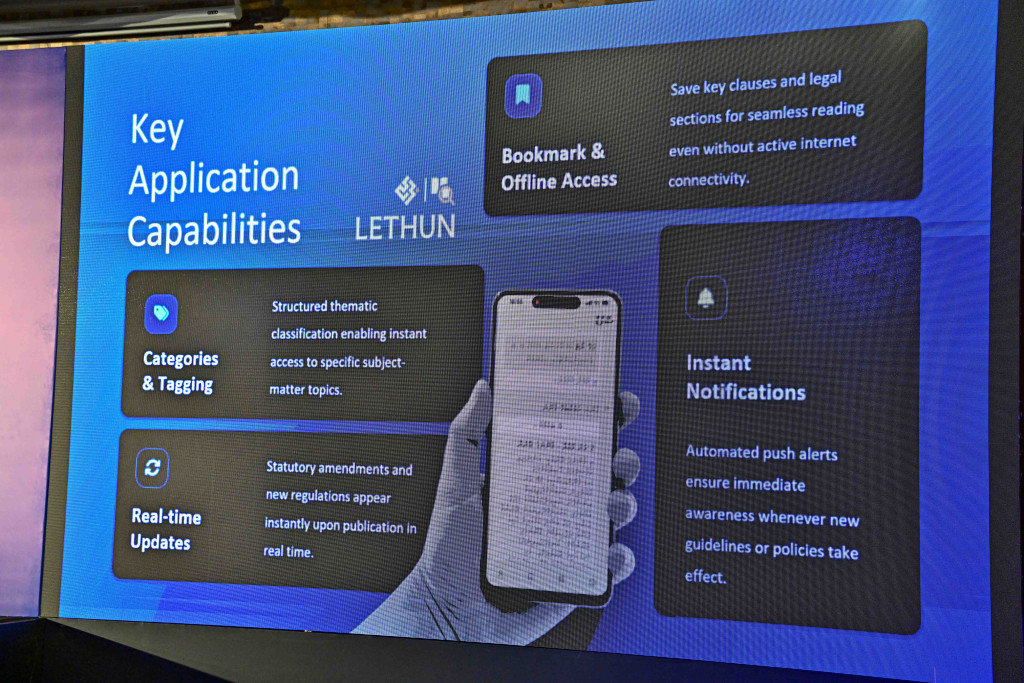
In addition, eDhoroashi, an online portal providing government institutions and the public with access to PGO services and information, and Lethun, a central repository for laws, regulations, guidelines and appellate court rulings, were launched.
Chief Justice Abdul Ghanee Mohamed, Attorney General Ahmed Usham and Cabinet members formally launched the platforms.