

Plastic Straw Import Ban Temporarily Lifted Over Challenges With Paper Straws: Ministry
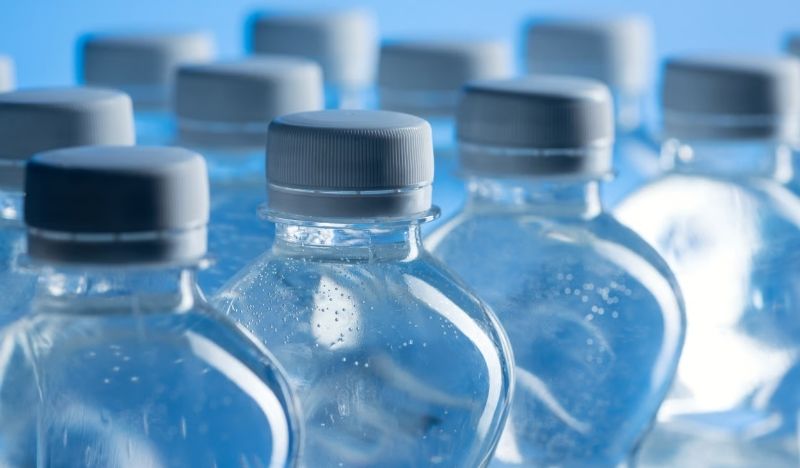
Photo: Envato
The ban on importing single-use plastic drinking straws into the Maldives has been temporarily lifted, with the Ministry of Climate Change, Environment and Energy stating that the decision was made due to the difficulties encountered in using paper straws as an alternative.
Under the Waste Management Act, the President is authorised to roll out bans on harmful single-use plastics in separate stages, determining which specific products are banned from import, production, and sale over time. Pursuant to this authority, the presidential decree formally designates 14 categories of single-use plastics.
advertisement

advertisement

Of these 14 categories, 13 have already been completely banned from being imported, manufactured, or sold in the Maldives market. The sole remaining item yet to take effect is specified under Item 13 of the decree: “Drinking water packaged in plastic bottles sized between 500 millilitres and 1 litre (inclusive).”
However, President Dr Mohamed Muizzu amended that decree yesterday, altering the ban on importing three types of items from the list. These are plastic straws and drinking water packaged in plastic bottles measuring between 500 millilitres and 1 litre (or smaller than 1 litre). Additionally, it has been decided to prohibit pre-packaged beverages in plastic bottles smaller than 250 millilitres, instead of 500 millilitres.
According to a statement released by the Ministry, this change was brought to find a practical and sustainable solution to the difficulties currently faced by the general public and Small and Medium-sized Enterprises (SMEs) due to the existing regulations, while maintaining the government’s long-term environmental protection policies.
The Ministry stated that users have been highlighting that paper straws used as alternatives to plastic straws pose practical difficulties, as they become soggy and dissolve in liquids. Furthermore, it was noted that during the manufacturing of such straws, an inner plastic layer and adhesives are used, creating a high likelihood of generating microplastics when these straws are disposed of after use.
Therefore, it was decided that the dates set for banning plastic straws were changed to allow additional time to introduce and market a suitable, high-quality, and environmentally friendly alternative to plastic straws.
The decision made in 2022 to ban the import of plastic straws into the Maldives has been suspended, with the new date set for the ban now being June 2031.
The date set to prohibit the import, production, and marketing of drinking water packaged in plastic bottles measuring between 500 millilitres and 1 litre (or smaller than 1 litre) has been deferred on three occasions. The Ministry pointed out that water supply systems have still not been established on some islands to date.
Furthermore, even on certain islands where clean drinking water systems have been established, adequate water services cannot be provided; hence, the public still primarily relies on bottled water in plastic bottles for clean drinking water.
The statement noted that if the import, production, and marketing of this type of water were banned at this juncture, it is believed that the public might face major difficulties and heavy burdens in accessing clean drinking water. The new date set for banning this item is December 2029.
The Ministry further said that, because of the ban on producing and marketing pre-packaged beverages in plastic bottles smaller than 500 millilitres in the Maldives, SME businesses in the country are facing major difficulties importing certain pre-packaged beverages. It is noted that such beverages particularly include drinks used by athletes and beverages specially prepared for children.
The Maldives does not manufacture these pre-packaged beverages; the market is entirely dependent on foreign imports. The Environment Ministry points out that overseas suppliers are extremely unlikely to modify their production lines solely to cater to the Maldivian market.
As a result, SMEs in the Maldives have been facing significant financial and operational challenges, according to the Ministry. To address this issue, the Ministry revised the prohibition threshold from 500 millilitres to 250 millilitres.