

SAMPA Introduces Vessel Registration and Stricter Whale Shark Tourism Rules
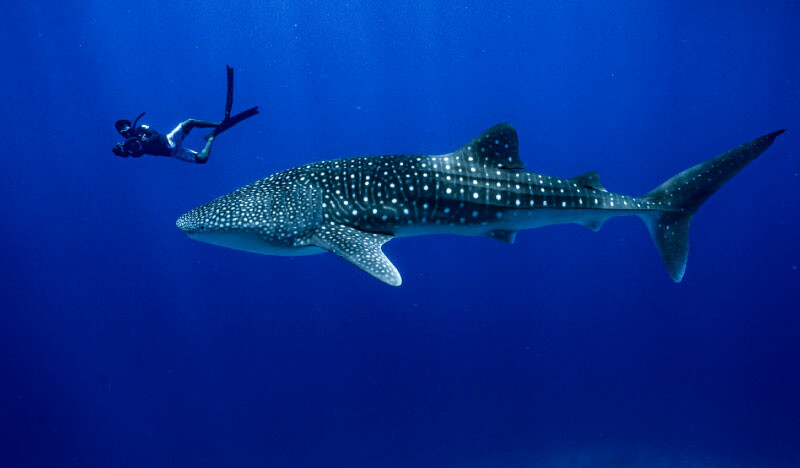
Vessels operating within the South Ari Marine Protected Area (SAMPA) will be required to register with the Environmental Regulatory Authority as part of new controls aimed at reducing environmental pressure and improving the management of whale shark tourism.
The requirement forms part of the 2025 management plan developed for the protected area, commonly known as SAMPA. The Ministry of Climate Change, Environment and Energy is currently working to increase awareness among vessel operators, tourism businesses and other users of the area about the regulations.
advertisement

Ministry Director of Protected Areas Muhsina Abdul Rahman said the plan was developed after assessing environmental and operational challenges within the protected zone. The measures focus on vessel safety, visitor numbers and the conduct of tourism activities around whale sharks.
Under the plan, the number of vessels and visitors permitted within the area at a given time will be restricted. Vessels will also be subject to a maximum speed limit of 10 knots.
Propeller guards will become mandatory for vessels operating in the protected area from 30 June. The requirement is intended to reduce the risk of injuries to whale sharks and other marine animals from vessel propellers.
Vessels measuring less than 10 feet will not be allowed to enter the area. The ministry has also identified operational concerns linked to excessively large vessels using the protected zone.
The vessel registration requirement is expected to improve regulatory oversight of operators entering SAMPA. According to Muhsina, authorities have identified vessels operating in breach of transport regulations, including vessels driven by individuals without the required licences.
The management plan also introduces minimum qualifications for guides conducting whale shark excursions. Guides must be certified rescue divers and hold Emergency First Response certification.
They must also study the SAMPA management plan and pass an assessment with a score of at least 75 per cent before being authorised to operate. Each guide will be permitted to accompany a maximum of six visitors during whale shark watching activities.
The ministry has indicated that the rules may be reviewed as implementation progresses. Requirements could be strengthened or relaxed depending on compliance levels, operational experience and their effectiveness in protecting the area.
Rangers have already begun operating across the 42-kilometre protected zone, according to the ministry’s Director of Survey and Research, Ahmed Shaan.
The area previously experienced congestion when large numbers of vessels and swimmers gathered around whale shark sightings. Shaan said the introduction of the management plan had begun improving visitor management and reducing some of the pressure associated with these activities.
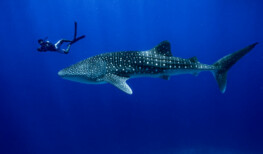
Research conducted in SAMPA has recorded more than 8,000 whale shark sightings over recent years. Researchers have identified 723 individual whale sharks within the area, with many returning repeatedly.
The frequency of these sightings has made South Ari Atoll one of the world’s most significant year-round whale shark habitats. The new controls seek to balance the economic importance of marine tourism with the long-term protection of the species and its surrounding ecosystem.