

Tourism Minister Mohamed Ameen and ministers from relevant government ministries met senior tourism industry leaders today amid industry concerns over the recently introduced 17 per cent TGST on foreign tour operators and travel agents and the government’s decision to make further changes to the tax regime.
The meeting comes amid ongoing concerns over recent changes to the Tourism Goods and Services Tax (TGST) regime for foreign tour operators, travel agents and offshore booking platforms. Parliament passed the Eighth Amendment to the GST Act in August, extending the 17 per cent TGST to inbound tourism products supplied through overseas operators and platforms, with the relevant provisions taking effect on 1 October.
advertisement

advertisement

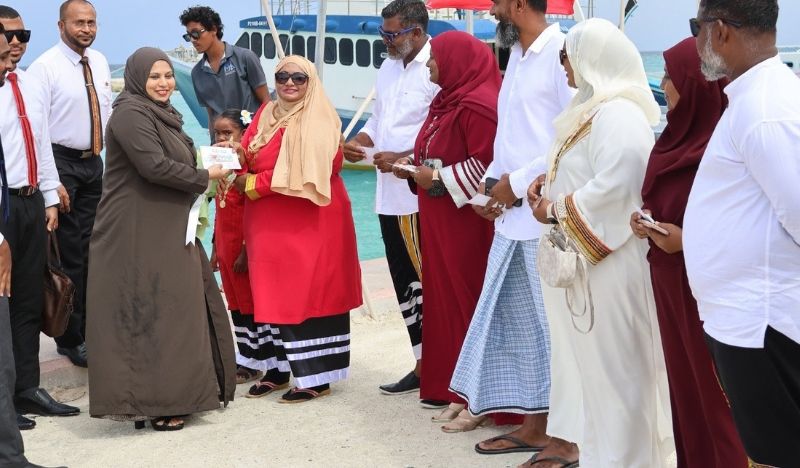
Today, the Minister of Tourism and Civil Aviation Honorable Mohamed Ameen, together with ministers from relevant ministries, met senior tourism industry leaders as part of the ongoing industry dialogue. Discussions focused on increasing tourist arrivals, achieving the 2027 target and addressing current challenges. Key goals were agreed upon based on industry recommendations, reaffirming the Government’s commitment to working closely with the sector.— Ministry of Tourism and Civil Aviation (@MoTmv) October 5, 2026
Under the changes, foreign suppliers without a permanent establishment in the Maldives are required to register with the Maldives Inland Revenue Authority (MIRA), with the tax applying to inbound tourism products and related booking or agency services. MIRA opened registration for affected overseas businesses in September.
The amendments have faced opposition from tourism industry groups and foreign travel associations, which have raised concerns over the administrative burden, the treatment of bookings already sold and the potential impact on the Maldives’ competitiveness. The Maldives Association of Travel Agents and Tour Operators (MATATO) has also questioned how local businesses could monitor compliance among thousands of overseas partners.
Tourism Minister Mohamed Ameen said on Saturday that the government had received numerous complaints from the tourism sector and foreign tour operators and that further amendments to the law would be introduced soon. He did not disclose the details of the proposed changes.
The meeting also comes amid the recent amendment to the Foreign Currency Act, which requires Category A tourism establishments, including resorts, to convert 40 per cent of their monthly gross foreign-currency sales through Maldivian banks. The amendment, ratified on 31 August and effective from 1 September, removed the previous option of converting USD 500 per tourist. Category B establishments, including guesthouses, hotels and liveaboards, must convert either USD 25 per tourist or 20 per cent of monthly gross sales.
The 40 per cent requirement was increased from the 20 per cent proposal initially put forward by the Maldives Monetary Authority (MMA), prompting concerns from the Maldives Association of Tourism Industry (MATI), which argued that resorts rely heavily on foreign currency for expenses including loans, taxes, rent and other payments.
President Mohamed Muizzu has defended the requirement, saying the measure is intended to increase the supply of US dollars in the formal banking system and that resorts would be able to meet the requirement after meeting their operating expenses and other obligations.