

ADB Urges Maldives to Replace Broad Subsidies with Targeted Support

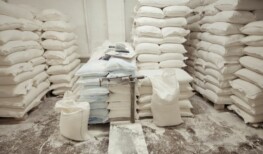
ADB calls for reduced broad subsidy spending | Photo: MV+
The Asian Development Bank (ADB) has urged countries across South Asia, including the Maldives, to reduce spending on broad subsidy programmes and replace them with targeted assistance for households most in need.
In its latest Asian Development Outlook report, the ADB said commodity prices across South Asia are expected to increase more than previously forecast in April. It projects regional inflation to reach 5.7 per cent this year, up from 2.9 per cent last year.
advertisement

For the Maldives, the ADB forecasts inflation of 5 per cent this year, while economic growth is expected to remain at 1 per cent.
The report said the Maldives, which relies heavily on imported fuel and essential goods, is likely to face rising prices during the remainder of the year after relatively stable prices in the early months. The ADB attributed the expected increase to higher global fuel prices and supply chain disruptions linked to the ongoing conflict in the Middle East.
The institution warned that rising fuel prices would place additional pressure on government finances across Asia. While subsidies can provide temporary relief to consumers, the ADB said they become increasingly difficult to sustain if global fuel prices remain elevated.
The report identified reducing subsidies on non-renewable fuels as an important step towards improving economic resilience and encouraging more efficient energy use.
Instead of broad subsidy programmes, the ADB recommended directing support to vulnerable households through measures such as direct cash transfers and targeted subsidies for public transport. It also suggested promoting energy conservation by offering fixed discounts on household electricity bills rather than reducing the unit price of electricity.
The ADB said these support measures should remain temporary and gradually be withdrawn once market conditions stabilise.
Successive Maldivian governments, including the current administration, have proposed reforms to the country’s subsidy system. Last year’s budget included plans to replace indirect subsidies on electricity, fuel, food and sewerage services with a targeted direct assistance scheme.
However, President Dr Mohamed Muizzu later suspended the planned reforms, stating that the government would not reduce the level of support available to the public.
According to government figures, fuel subsidy expenditure exceeded the allocated budget by 119 per cent following the decision to delay the reforms. Electricity subsidies alone reached MVR 832 million, compared with an initial allocation of MVR 379 million.
The ADB noted that international financial institutions have repeatedly called for subsidy reforms in the Maldives in recent years, citing concerns over the country’s growing public debt.