


Gov’t Uses Almost All of Annual Subsidy Budget With Six Months Still Remaining
STO to offer 26 essential food products at reduced prices ramadan
The government has spent 99 percent of its subsidy budget for the year, leaving just MVR 21.7 million available despite six months remaining in 2026.
According to the Ministry of Finance’s latest Weekly Fiscal Development Report, MVR 2.868 billion had been spent on subsidies, as of 2 July. The state allocated MVR 2.890 billion for subsidies in this year’s budget, meaning only MVR 21.7 million remains.
advertisement

advertisement

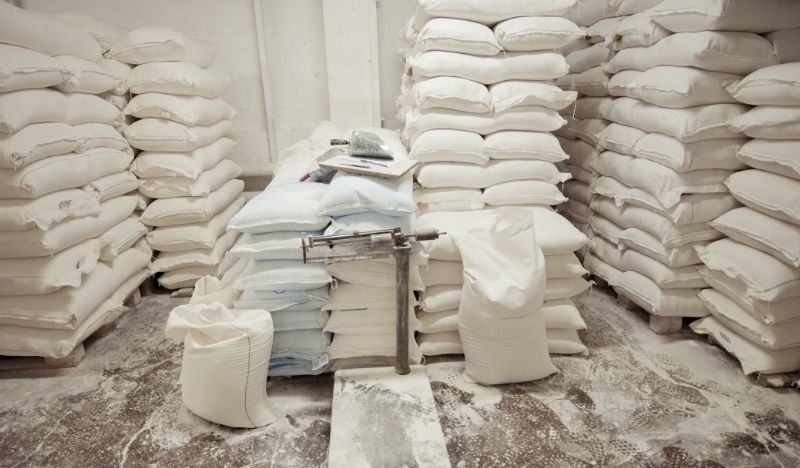
Subsidies are one of the government’s largest recurrent expenditure items and cover a range of essential goods and services. These include subsidies on staple food items such as rice, flour and sugar, electricity and fuel support for households and businesses, as well as assistance provided through state-owned enterprises to help keep the prices of essential services affordable. The government also provides subsidies to support agriculture and fisheries under various schemes.
The sharp pace of spending comes halfway through the fiscal year and suggests the government may need to seek additional budget allocations or adjust spending if subsidy expenditure continues at the current rate.
The latest figures come as overall government spending continues to rise. The state budget approved total expenditure of MVR 49.2 billion for 2026, while cumulative expenditure had reached MVR 23.38 billion by the end of the reporting period, according to the Finance Ministry’s fiscal report.
Recently, The Asian Development Bank (ADB) has maintained its growth forecast for the Maldives at 1.0 percent for 2026 and 3.0 percent for 2027, despite lowering its overall outlook for developing Asia and the Pacific. This marks a sharp slowdown from the 6.3% growth recorded in 2025.
In its latest Asian Development Outlook, ADB warned that the conflict in the Middle East has created an energy shock that has pushed up oil and gas prices, disrupted supply chains and increased freight costs across the region. The bank noted that these risks are particularly significant for import-dependent economies such as the Maldives, although it left its growth projections for the country unchanged.