


BML Issues Foreign Exchange Payment Fix for Students Facing Failed Exam Fees
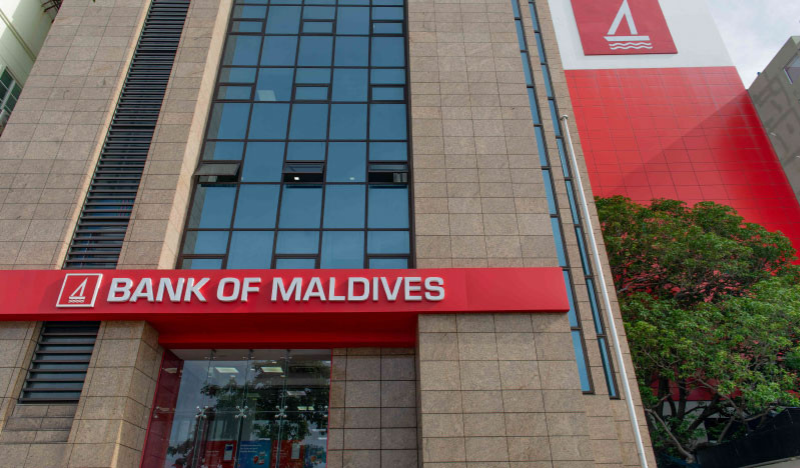
The bank clarified that the limits do not apply to essential education, healthcare, or subscription payments | Photo: MV+
Bank of Maldives (BML) has instructed customers to contact the bank directly if they encounter transaction failures while attempting to pay for examination fees and educational services online.
The national bank released the guidance statement following widespread reports of declined online transactions for essential academic qualifications, including international English testing fees such as IELTS.
advertisement

BML explained that recent operational changes, designed to preserve foreign currency reserves for essential imports and overseas spending, led to the placement of daily transaction caps on specific categories of online merchant activity. However, the bank clarified that these restrictions were never intended to block payments for essential services, including education, healthcare, and critical subscriptions.
According to the bank, the issue stems from incorrect categorization by payment gateways. External merchants and examination boards occasionally process transactions using Merchant Category Codes (MCCs) that fail to identify the service as educational, or route payments under uncategorized network codes. Consequently, BML’s automated security and transaction filtering systems identify these payments under commercial limits and decline them automatically.
To resolve the issue, BML has asked affected cardholders to submit their specific transaction details directly to customer support. Bank representatives will review the merchant details manually and update the classification codes to ensure future transactions proceed without disruption.
The bank reiterated its commitment to maintaining uninterrupted access for essential foreign currency payments, adding that technical teams are actively resolving categorization errors across international networks. The financial institution noted, however, that the broader constraints on foreign currency limits remain necessary as local demand for US dollars continues to outpace total foreign currency inflows.