

Parliament Accepts Bill Seeking to Impose GST on Offshore Tourism Booking Platforms
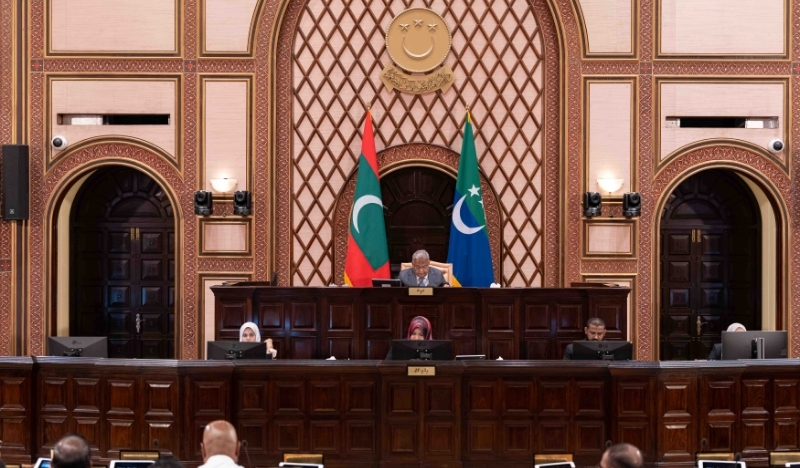
Parliament has accepted a government-sponsored amendment to the Goods and Services Tax Act that seeks to impose GST on tourism-related services provided by offshore booking platforms, foreign tour operators and travel agents.
The bill was accepted with the support of 70 MPs, while Keyodhoo MP Mohamed Niushad was the only member to vote against it. Although opposition MDP MPs supported the bill, they raised concerns about the need to allow adequate time for drafting and amending legislation. The bill has now been sent to the Committee of the Whole House for review.
advertisement

The bill, submitted by Kulhudhuffushi MP Mohamed Dawood on behalf of the government, proposes introducing the “Destination Principle”. Under the proposed system, qualifying tourism services would be taxed based on where they are consumed rather than where the service provider is based.
The amendment would expand the definition of goods and services supplied in the Maldives to include inbound tourism products sold by offshore entities without a permanent establishment in the country. It would also broaden the definition of charter operations to cover charter trips sold by safari vessels.
If passed, the amendments are scheduled to take effect on October 1, with qualifying services provided by foreign entities subject to the standard 17 per cent Tourism Goods and Services Tax (TGST) rate.
The government estimates that the measure could generate an additional MVR 1.6 billion in annual revenue, including MVR 1.3 billion from foreign tour operators and MVR 299.3 million from overseas travel agents. As TGST is payable in foreign currency, the government expects the measure to generate an additional $104.1 million in state revenue.
Implementing the system is expected to cost MVR 7.9 million, comprising MVR 2.8 million in one-off setup costs and MVR 5.1 million in annual recurrent expenditure, primarily for additional staffing. New administrative and payment mechanisms will also be required through the Maldives Inland Revenue Authority (MIRA) to collect taxes from offshore operators without a physical presence in the Maldives.
The proposed changes were included as a policy measure in last year’s approved state budget and come as the Maldives continues to face foreign currency pressures. The government has said increasing foreign currency inflows and strengthening official reserves are among its priorities.