

IMF Recommends Maldives Implement Macroprudential Policies for Economic Stability
The Executive Board of the International Monetary Fund (IMF) has wrapped up its Article IV consultation with the Maldives, issuing recommendations to address economic vulnerabilities and foster sustainable growth in the island nation. Notably, directors urged Maldivian authorities to adopt macroprudential policies to mitigate systemic risks arising from the sovereign-bank nexus.
The consultation acknowledged the Maldives’ robust economic recovery from the COVID-19 pandemic. The economy expanded by 13.9% in 2022. Tourism was pivotal in driving this growth, contributing significantly to the nation’s GDP.
advertisement

Despite global uncertainties such as the conflict in Ukraine, the Maldives managed to maintain inflation at a manageable rate of 1.9% year-on-year as of December 2023, aided by falling food and energy prices alongside price subsidies, noted IMF.
Nevertheless, they stressed the importance of swiftly introducing a macroprudential institutional framework and instruments while further enhancing systemic risk monitoring capacity.
Additionally, the IMF highlighted the necessity of bolstering the financial safety net, strengthening financial sector oversight, and improving crisis management.
Directors emphasized the priority of addressing gaps in the legal framework and implementing the AML/CFT (anti-money laundering and combating the financing of terrorism) framework.
While implementing goods and services tax (GST) rate hikes yielded substantial revenue gains in 2023, fiscal concerns persist. The overall fiscal deficit is estimated to have reached 13.4% of GDP in the same year, with public debt rising to 118.7% of GDP.
IMF highlights that the widening current account deficit, standing at 22.8% of GDP in 2023, reflects increased capital goods imports, elevated import costs for food and fuel, and robust import demands linked to tourism.
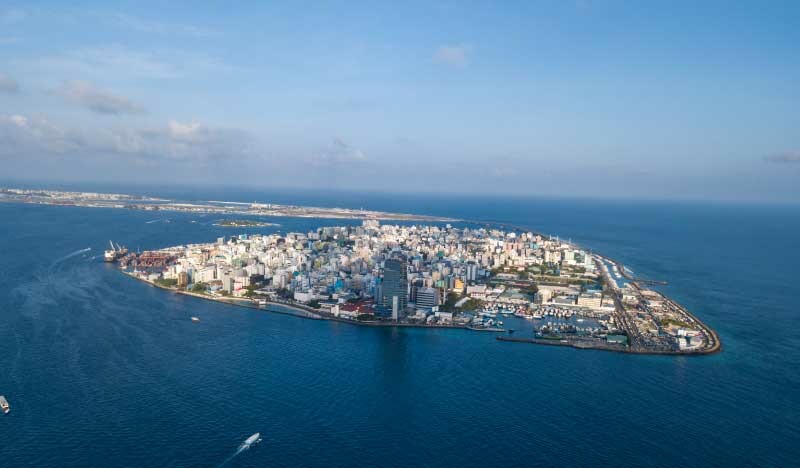
Real GDP growth is projected to moderate to 4.4% in 2023 before gradually rising to 5.2% in 2024. The expansion of Velana International Airport and associated hotel accommodations is expected to bolster growth potential further.
However, without significant policy adjustments, the Maldives faces high external and overall debt distress risks, compounded by uncertainties including delayed fiscal consolidation and weaker growth in key tourism markets. Climate change poses an additional threat, with potential economic ramifications due to flooding and rising sea levels.
In response to these challenges, the IMF Executive Board emphasized the urgent need for policy reforms to safeguard macroeconomic stability, restore debt sustainability, and promote inclusive growth.
Recommendations included fiscal consolidation through expenditure rationalization and revenue mobilization, strengthened fiscal and debt management, enhanced coordination between fiscal and monetary policies, and accelerated efforts to promote sustainable development.