


MMA Steps Up Monetary Controls to Mop Up Surplus Cash and Support the Exchange Rate
MMA | Photo: MV+
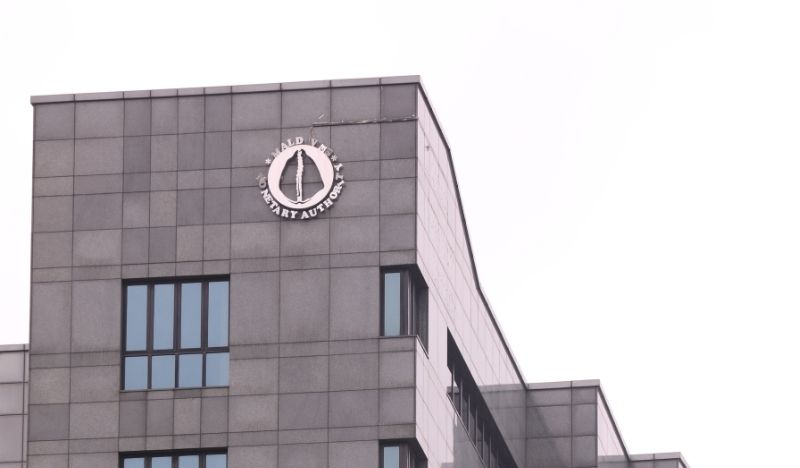
The Maldives Monetary Authority (MMA) has announced a series of monetary policy measures to reduce excess Maldivian Rufiyaa (MVR) liquidity circulating within the economy, aiming to curb soaring parallel market exchange rates and rising commodity prices.
The central bank’s board has approved two primary mechanisms to tighten the money supply: raising the Minimum Reserve Requirement (MRR) for commercial banks and expanding Open Market Operations (OMO).
advertisement

Under the newly approved framework, the MMA will increase the reserve requirement for local currency from 10.5 per cent to 11.0 per cent starting in September 2026. The central bank plans to conduct quarterly market reviews through to the end of 2027, with the objective of gradually raising the MVR reserve requirement to 13 per cent by December 2027.
Alongside reserve adjustments, the central bank decided to increase its Open Market Operations by 10 basis points. Official MMA statistics show that since the authority restarted OMOs in July 2025, it has absorbed an average of MVR 2.7 billion in excess liquidity from the banking system through July 2026. This intervention has already reduced short-term liquidity from MVR 6.5 billion down to MVR 3.7 billion.
These monetary measures coincide with growing public concern over the escalating price of the US dollar in the local market. Over the past two and a half years, the exchange rate in the parallel market has risen from MVR 17 to MVR 21.60 per dollar.
Government authorities attribute the current MVR surplus to the previous Maldivian Democratic Party (MDP) administration, citing the injection of more than MVR 8 billion into the banking system during the COVID-19 pandemic. As high dollar rates continue to push up the cost of imported goods, the MMA expects these liquidity absorption policies to relieve pressure on the foreign exchange market and stabilise consumer prices across the country.