
Against the Quiet Dark: GMB Akash’s ‘EMBER’ Illuminates the Unseen at Gallery 350
“If one person changes the way they look at these people and treats them with a little more respect, that is success for me.”
advertisement
The meaning of ember does not describe a roaring flame. But it pictures a stubborn fire that continues to burn long after the main blaze has died down.
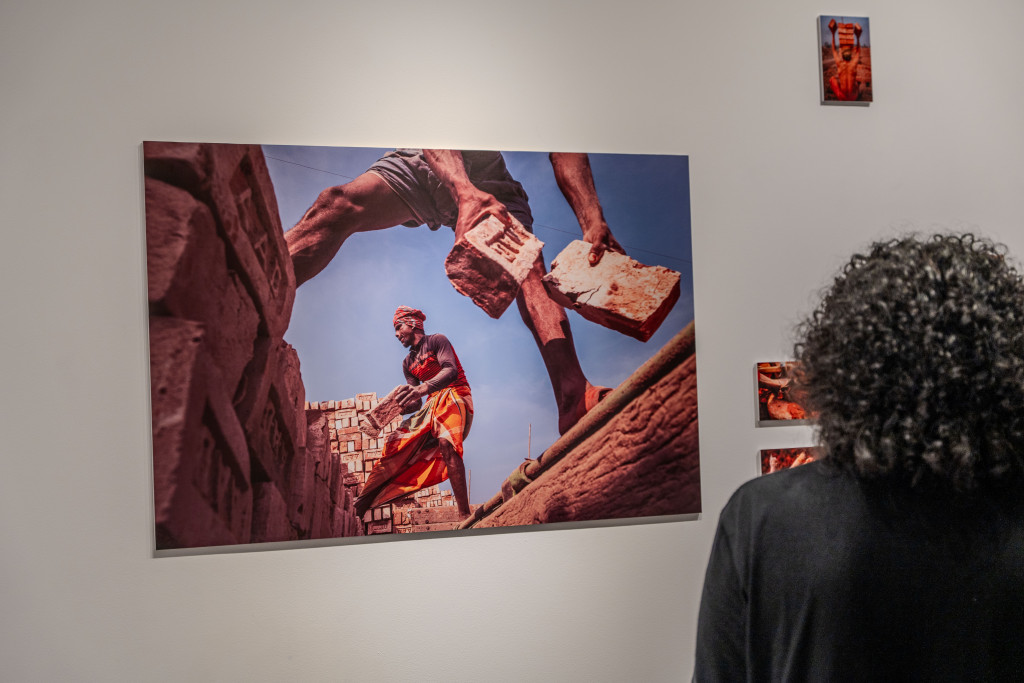
For Bangladeshi documentary photographer GMB Akash, that soft, persistent light is a precise metaphor for the human spirit—the quiet resilience of working-class laborers, street vendors, and migrant workers whose daily lives are defined by struggles and hardships, yet anchored by unyielding dignity.
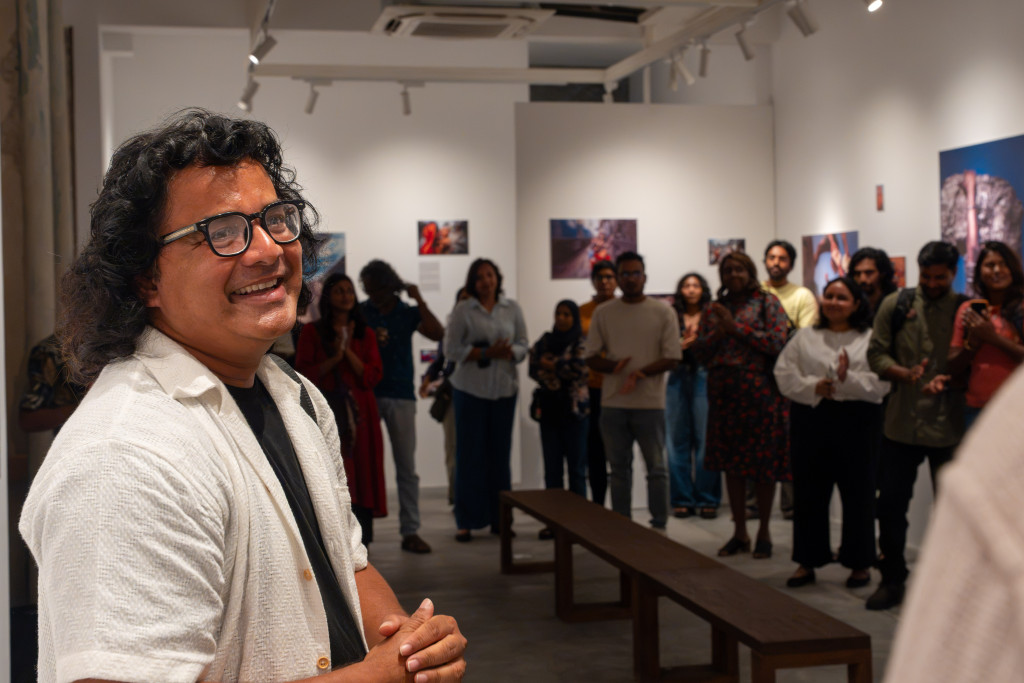
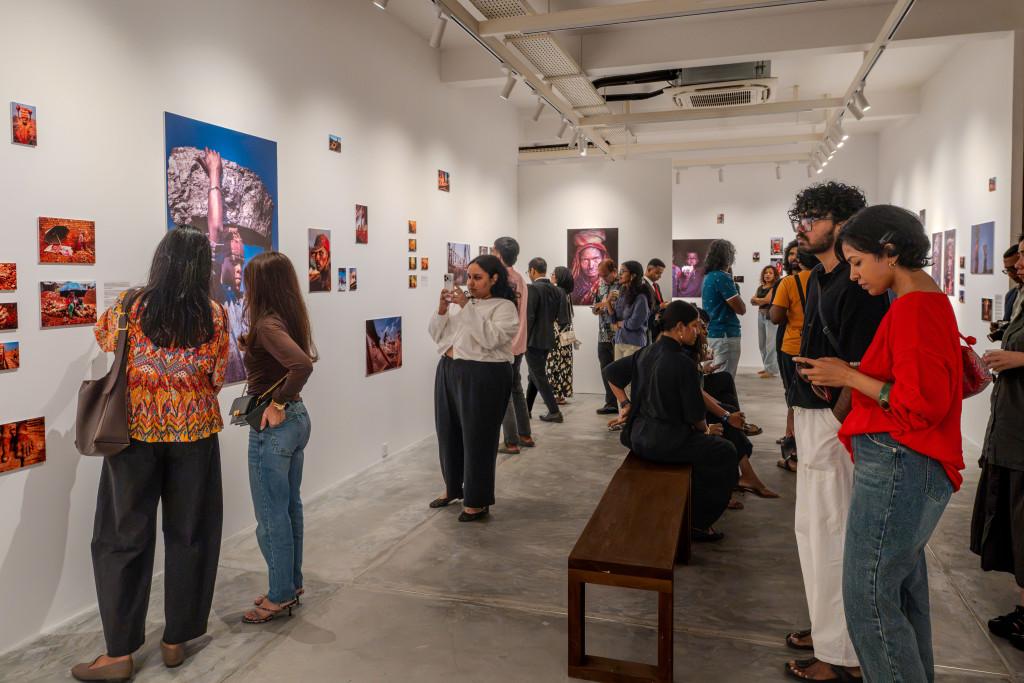
Step off the sun-drenched, humming streets of Malé and into Gallery 350, and the ambient noise of the capital city instantly begins to fade. The space feels still, deliberate, and deeply human. Running from 20 September to 15 October, ‘EMBER’ brings nearly thirty years of Akash’s life work to the Maldives.
In this interview with MV+, Akash asks the Maldivian public to do something increasingly rare in this world trained to look away: stop, step closer, and look eye-to-eye with those who keep our world turning.
A lens born of curiosity
“I started photography in 1996 with my father’s old Yashica FX-3. At that time, I knew almost nothing about photography. I didn’t even know that photography could become a profession. I just had a camera in my hand and a lot of curiosity.”
Along with the camera, he carried with him an insatiable curiosity about the world around him.
Growing up in Bangladesh, Akash was constantly aware of child laborers, street sweepers, transgender individuals, and working-class families living on the absolute margins of society. He found himself haunted by a single question: Why do we treat some human beings as if they are less important than others?
“I wanted to understand them. I wanted to listen to them. And slowly photography became my way of doing that.”
Nearly three decades later, his purpose remains untouched: to ensure every person he encounters is seen, heard, and treated with fundamental respect.
The Guest's Perspective: Dignity Beyond the Hardship
“For me, trust starts before I take the first photograph.”
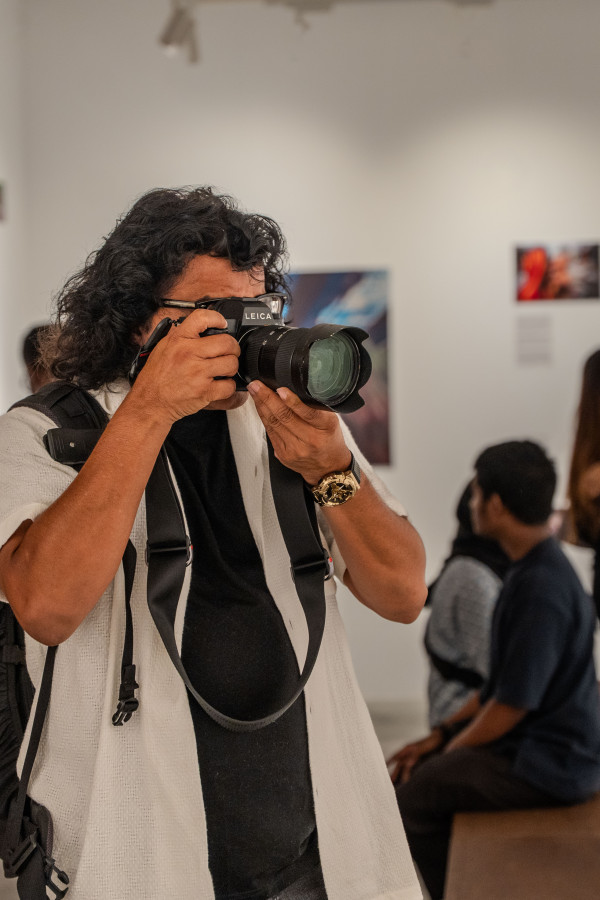
In an era dominated by rapid photojournalism, where enthusiastic video bloggers or reviewers has the camera recording even before greeting those they film, Akash refuses to point a camera at someone's face the moment he arrives. He approaches every community as a guest in their world—sitting on dusty curbsides, sharing tea, showing earlier work, and returning repeatedly.
Akash says that people can sense a photographer's true intentions before a word is spoken. They read your posture, your eyes, and whether you are there to extract something quickly or sit down as an equal.
Across language barriers—from Thailand to the harbor docks of Malé—respect functions as his primary dialect.
“Once people understand that I am not there simply to take something from them and leave, something changes. They start talking. They share their stories. Sometimes they tell me things they have never told anyone else.”
While documenting dockworkers carrying 60-kilogram baskets of goods for hours on end, Akash once tried to lift a single basket himself and failed completely. That moment altered his framing forever. He was not looking at a poor laborer to be pitied, but an extraordinarily powerful individual accomplishing feats he could not match.
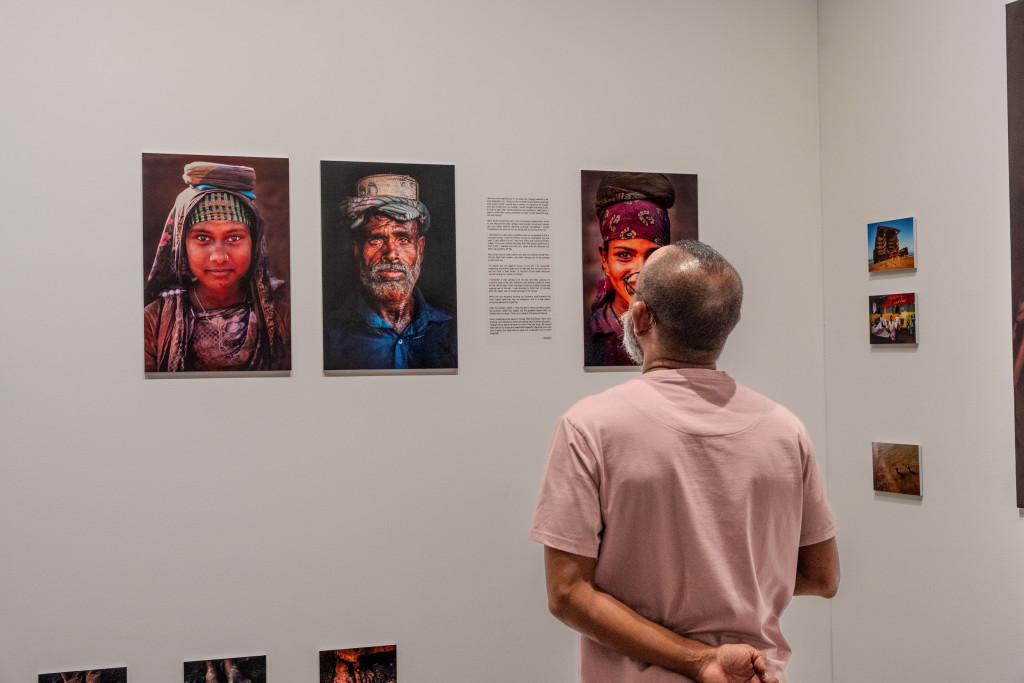
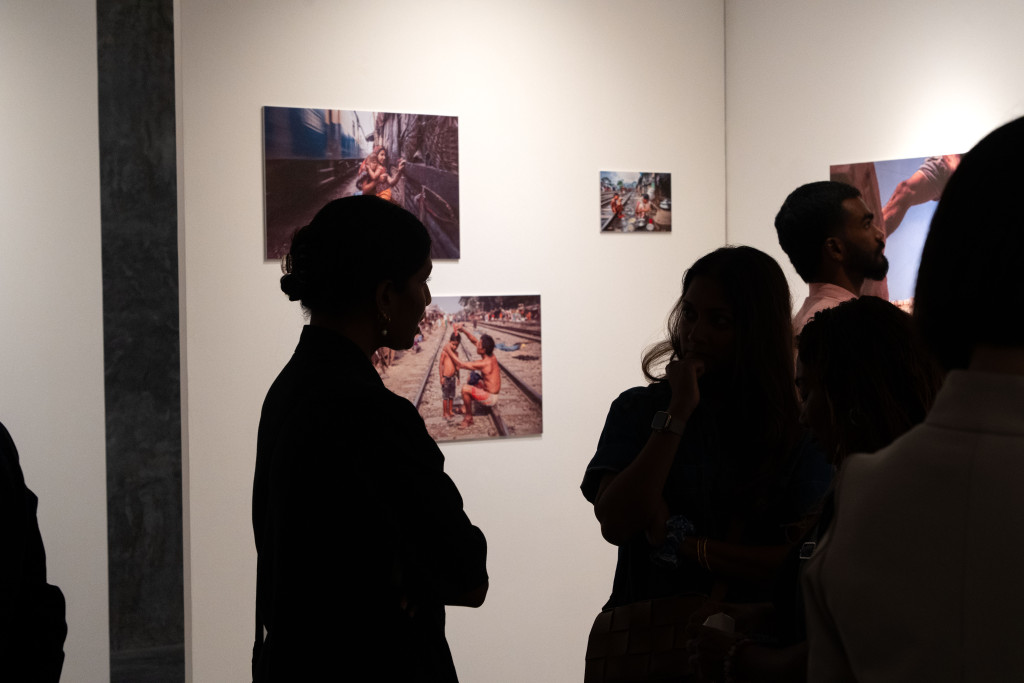
His photographs deliberately preserve the full human experience, capturing laughter, love, play, and ordinary moments of joy alongside daily labor.
Poverty is merely a condition, not an identity—and by entering their lives as a respectful guest, Akash’s lens honors full human dignity rather than reducing people to their struggles.
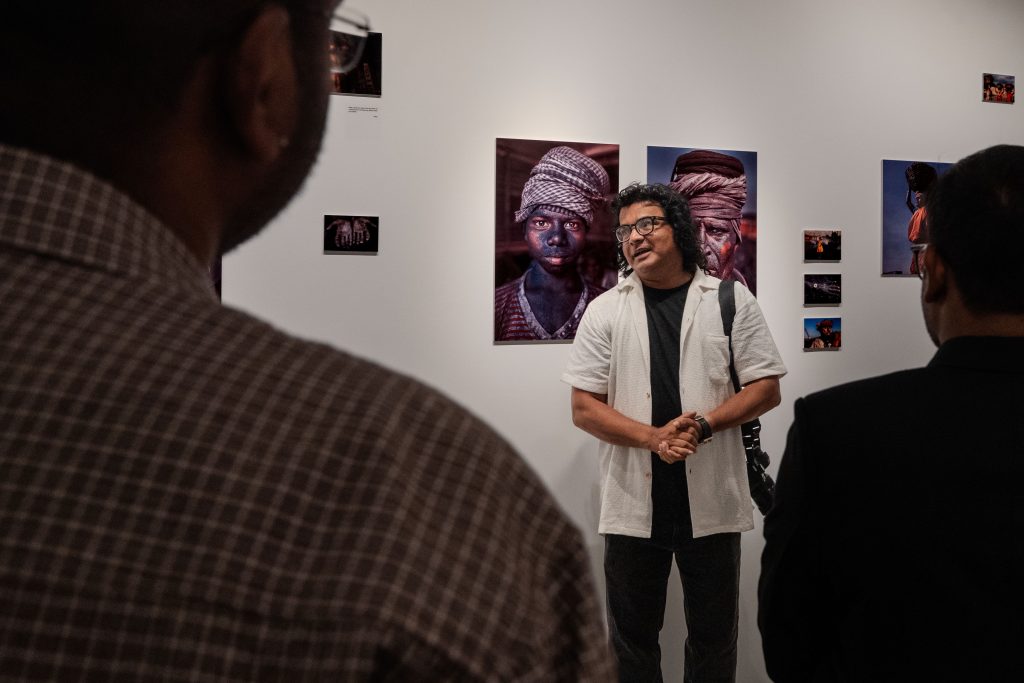
“That is when photography becomes meaningful to me.
The person is never just a subject. They are a human being first.”
Unveiling Malé’s Unseen Foundation
“When people think about the Maldives, they naturally think about the beautiful islands, the sea and the luxury resorts. But when I came to Malé, I started noticing another side of the country—the people who keep everyday life moving.”
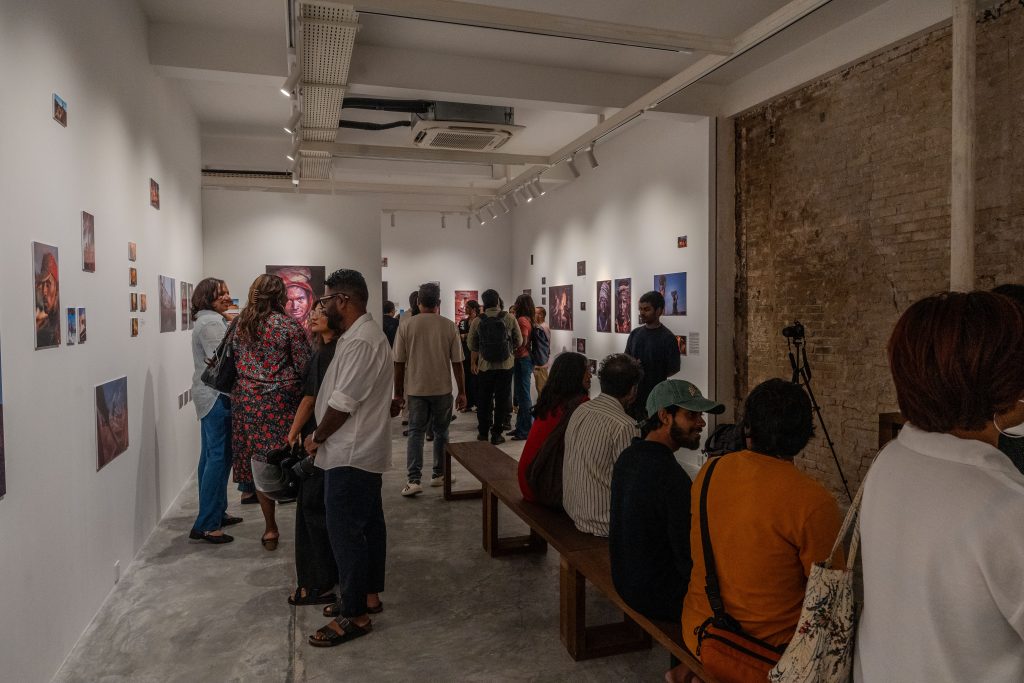
Walking around the harbor and the local fish market, Akash turned his lens toward the thousands of migrant workers from Bangladesh, Nepal, Sri Lanka, and Indonesia moving the nation forward daily.
They were unloading heavy catches, hauling goods, and performing the grueling manual labor that keeps daily life functioning smoothly behind the tourism curtain. The true beauty of a nation, Akash reminds us, is not just found in its natural landscape—it is built by the hands of the workers who sustain it.
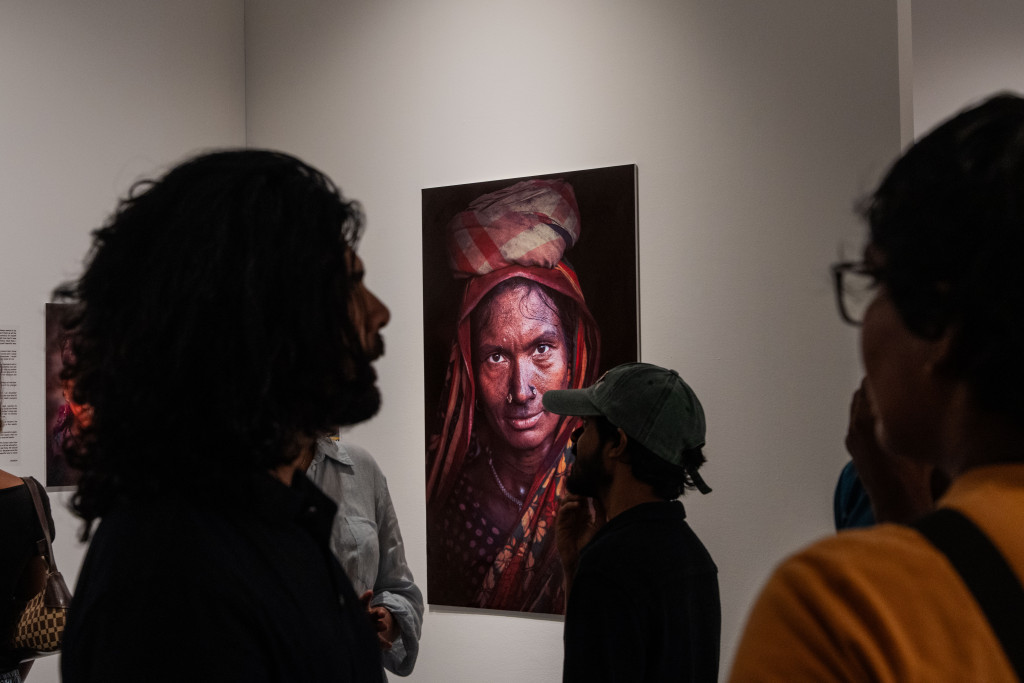
“It reminded me of something I have seen in many countries: we often enjoy a place without thinking about the people who make that life possible.
The beauty of a country is not only its landscape. It is also the people working behind everything we see.”
Framing the Ember: Disruption in the Gallery Space
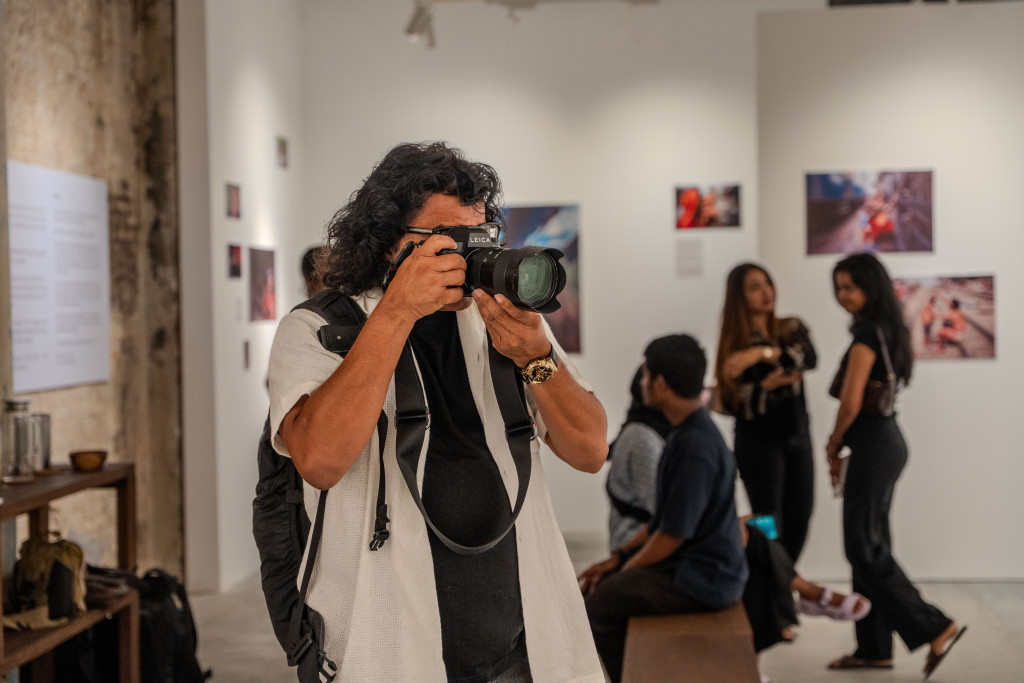
Exhibiting thirty years of emotional documentary work in an era defined by fast-scrolling screens presented a unique challenge. Partnering with the curators at Gallery 350, Akash designed an experience meant to disrupt passive viewing.
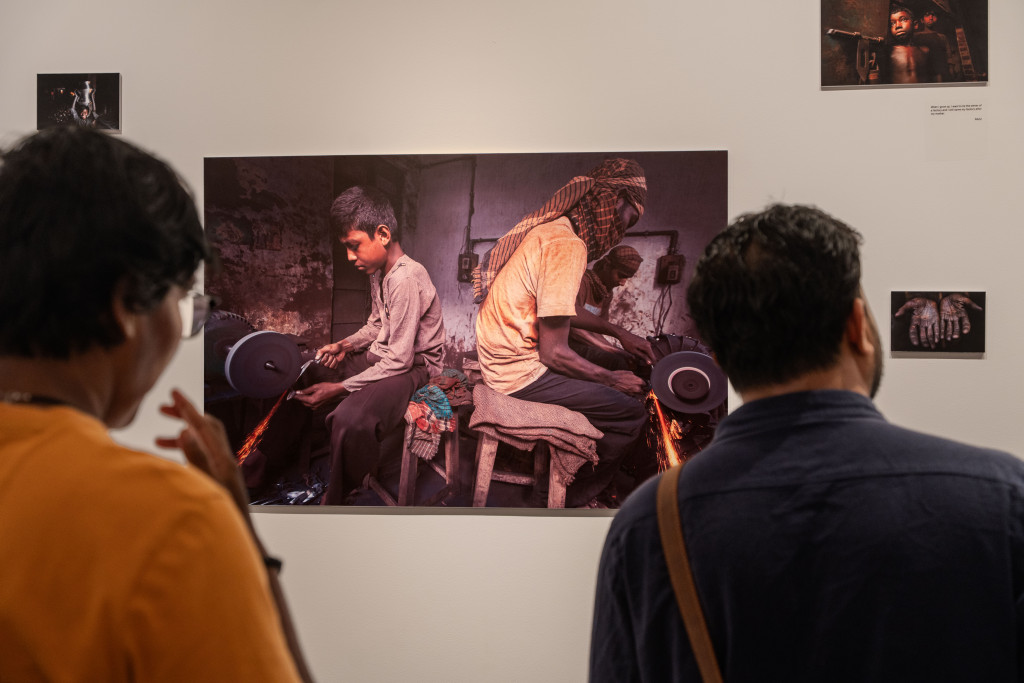
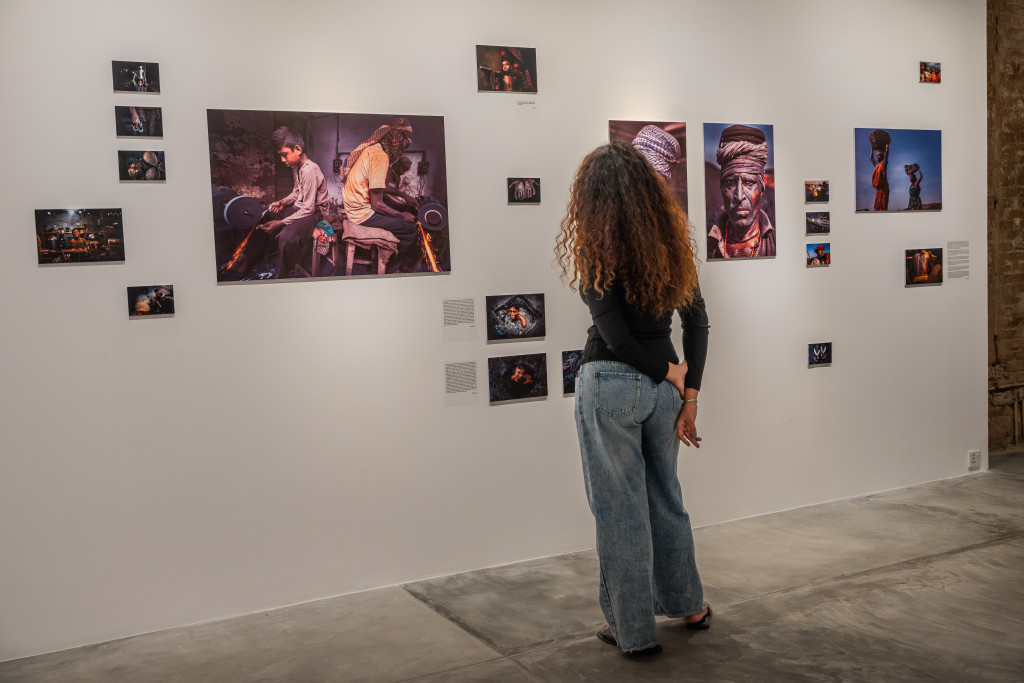
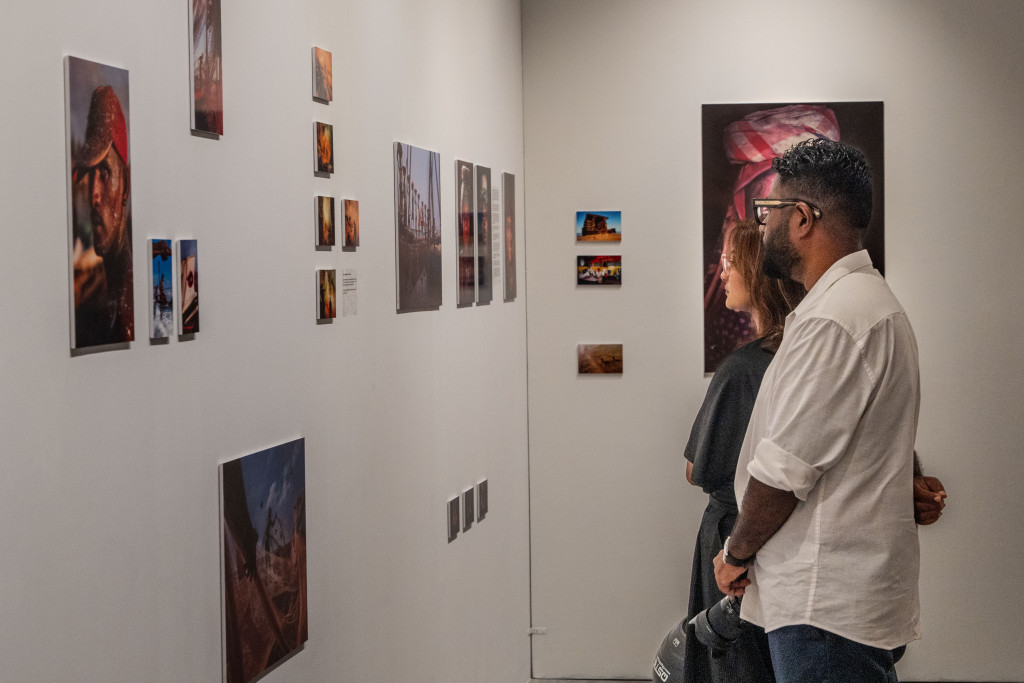
The gallery layout avoids standard, linear grids. Large-format prints loom overhead, while small, intricate photographs sit lower on the walls, forcing visitors to physically adjust their bodies to engage.
To catch the fine details of a worker's weathered hands or read their personal story, you must slow down and step closer.
“The gallery team was very creative, but also very kind and empathetic. They took time to understand what I was trying to say with the work, and I think they cared about how the stories would reach people.
For me, that is important.”
The physical movement transforms a casual walk through a gallery into an active, intimate conversation between the viewer and the subject.
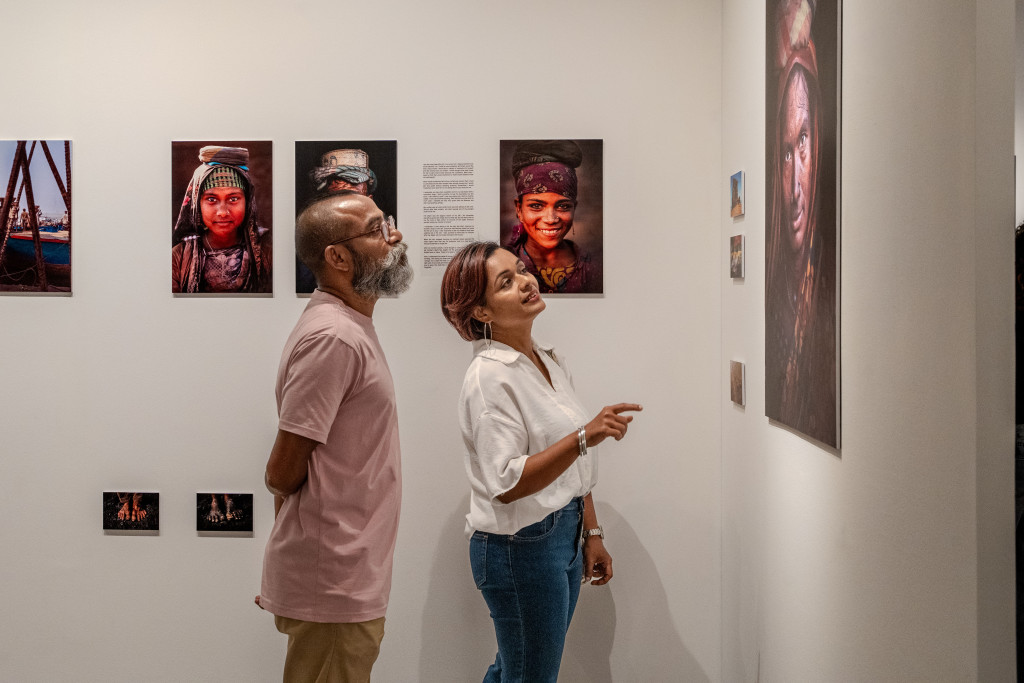
By forcing us to physically pause, 'EMBER' transforms spectators into empathetic witnesses.
The Price of Passion: Keeping the Inner Light Alive
“But I never started doing this because I wanted to become rich.
I only want people to see these human beings differently.”
Documenting life's quiet struggles for decades carries an immense emotional and financial burden. Akash speaks candidly about experiencing burnout, deep frustration, and periods of exhaustion over the years.
Socially conscious documentary work does not yield riches. For over twenty years, Akash has poured almost every dollar earned back into buying equipment, self-funding trips, and self-publishing his stories.
What restores his spirit isn't gallery accolades, but direct human action.
Beyond taking photographs, Akash uses his platform and funds to directly rebuild homes, send working children to school, construct water networks, and provide tools like sewing machines or rickshaws so families can earn a sustainable living.
When burnout threatens to extinguish his drive, he thinks of the people he photographs—those who wake up every morning to face grueling lives without complaining.
Like an ember beneath the ash, he keeps glowing because he knows that if he stops, some of these stories may never be heard again.