September 2, 2026
Driven 'Senseless': Death After Death on the Roads




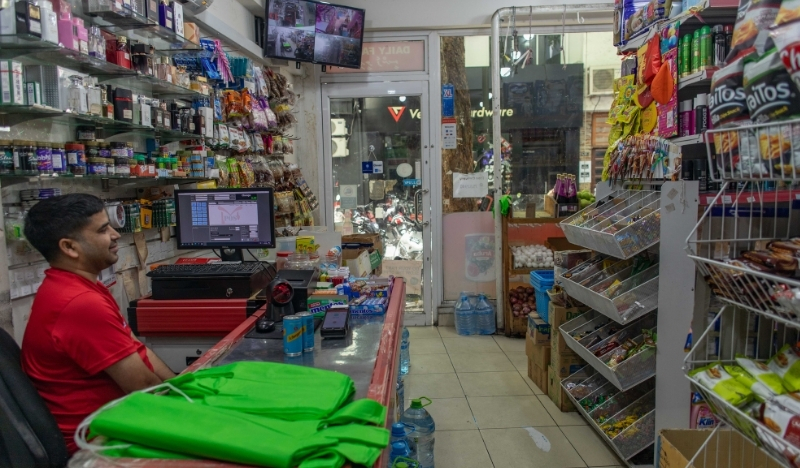
Walk into any corner shop in Malé during the morning rush. A school-uniformed child steps up to the counter—not to buy a bottle of water, but to grab a sugary juice carton. Beside them, an adult is paying for a box of imported instant noodles, a tin of sausages and a bottled fizzy drink. Tragically, this has become the standard breakfast on modern Maldivian dining tables.
The Maldives is experiencing a dramatic shift in its dietary habits. The natural, wholesome and fresh foods that once filled local tables have largely been replaced by convenience items. Instant noodles, processed meats like sausages, sugary beverages and energy drinks have woven themselves into the daily routines of most Maldivians. Yet, behind this convenience lies a silent, severe threat to public health.
Noodles: Convenient, But Nutritionally Empty
Instant noodles are incredibly popular among both children and adults. Driven by demanding work schedules and a lack of cooking time, many households now rely heavily on them. However, noodles offer virtually no nutritional value. Instead, they are loaded with sodium (salt) and monosodium glutamate (MSG), a chemical used to enhance flavor. Over time, regular consumption of instant noodles paves the way for high blood pressure and heart disease, while placing a heavy strain on the digestive system that can lead to chronic bowel issues.
Sausages and Processed Meats
Sausages have become a staple for breakfast and school interval boxes. They are equally prominent in afternoon teas and across café and restaurant menus nationwide.
Processed meats are packed with unhealthy fats and artificial preservatives designed to extend shelf life. The World Health Organization (WHO) has explicitly warned that frequent consumption of processed meats like sausages triggers serious illnesses, particularly colorectal cancer. These foods also drive up cholesterol levels, significantly increasing the risk of strokes and heart attacks.
The Smoking Comparison: Sausages and hot dogs are classified as processed meats. In 2015, the WHO’s International Agency for Research on Cancer (IARC) classified processed meat as a Group 1 Carcinogen(substances known to cause cancer in humans). This places it in the exact same risk category as tobacco.
Sugary Beverages and Energy Drinks
The consumption of soft drinks, packaged juices and energy drinks has skyrocketed across the Maldives. It is now common to see teenagers and children reaching for these beverages instead of water.
A single can or bottle often contains far more sugar than a body requires for an entire day. This heavy intake is driving a surge in early-onset type 2 diabetes and childhood obesity across the country. Furthermore, severe tooth decay and dental issues have become widespread among young children.
The Danger in Numbers
According to statistics from the World Health Organization (WHO), 14.1% of Maldivian women and 7.9% of Maldivian men live with obesity. This sits starkly above the South Asian regional average, which hovers between 7.5% and 10.3%. Similarly, diabetes rates are alarmingly high, affecting 12.1% of women and 13.4% of men. The fact that more than one in seven Maldivians is living with diabetes is a major public health crisis.
Data from the Global Health Observatory further reveals that due to poor diets and sedentary lifestyles, overall obesity in the Maldives has reached 30%. Perhaps most shocking of all is that in 2015 alone, 4.7 million litres of energy drinkswere imported into the country. For a population that stood at roughly 410,000 at the time, this represents an incredibly high per-capita intake.
A Burden on Society and the Healthcare System
These deteriorating dietary habits are causing non-communicable diseases (NCDs) to rise at an alarming rate. As the number of people seeking treatment for diabetes, kidney failure, cancer and cardiovascular diseases multiplies, the state's expenditure on healthcare—specifically through the 'Aasandha' national social health insurance scheme—is ballooning year after year. This trend poses a severe, unsustainable challenge to the nation's economy.
Government Plans—Left on Paper
The Ministry of Health formulated the "National Multi-Sectoral Action Plan for the Prevention and Control of Non-Communicable Diseases in Maldives (2023–2031)", which originally set targets for 2025. However, disruptions and delays caused by the COVID-19 pandemic forced policymakers to push these goals back to 2031.
Unfortunately, the impact of these strategies has yet to be felt in the daily lives of ordinary citizens. The Maldives has made very little tangible progress toward hitting its diet-related NCD targets.
What is the Solution?
The ultimate solution lies in public awareness. Individuals must take charge of their health by stepping away from easily accessible processed foods and embracing fresh fruits, vegetables and whole foods. Parents, in particular, bear the crucial responsibility of ensuring that the food given to their children is genuinely nutritious.
Implementing Soda Taxes: Levying targeted taxes on sugary drinks is a proven strategy that has already yielded success in nations like Mexico, the UK and South Africa. Forcing price hikes on brands like Coca-Cola, Pepsi and various energy drinks has noticeably curbed sugar consumption among children and young adults in those countries.
Front-of-Pack Warning Labels: Introducing clear warning labels on the front of packaged foods would help consumers make informed choices at a glance.
School Canteen Bans: Banning the sale of processed meats and sugary drinks in school canteens is a vital step toward protecting the younger generation.
Advertising Restrictions: The government needs to enforce robust policies to restrict the marketing and sale of these unhealthy products in schools, public spaces and mainstream media.
Good health is our greatest asset. If we fail to banish these "silent killers" from our dining tables today, the entire nation will pay the price tomorrow.