

Nasheed Warns Against Misuse of Homeschooling Amid School Absenteeism Concerns
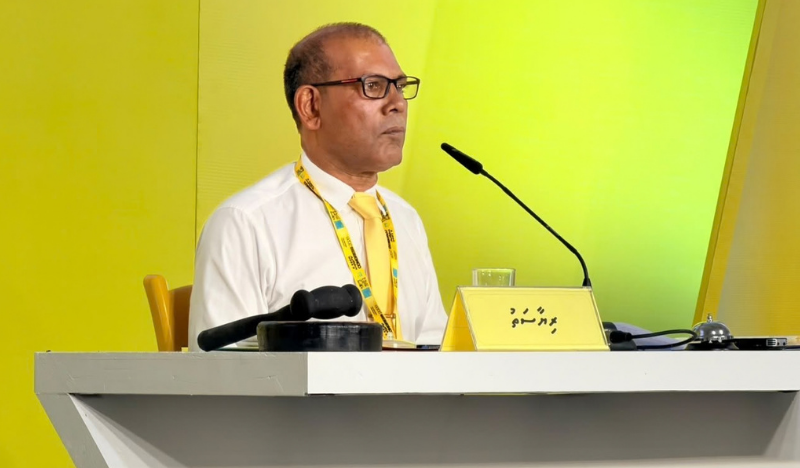
MDP Chairperson and former President Mohamed Nasheed — Photo: MDP
Former President and Maldivian Democratic Party (MDP) leader Mohamed Nasheed has warned against using homeschooling to keep children out of formal education, as authorities report thousands of students regularly missing school without valid reasons.
“Even now, more than four thousand children do not attend school regularly,” Nasheed said, warning that homeschooling must not become a means of leading the country’s younger generation astray.
advertisement

advertisement

Education Minister Dr Ismail Shafeeu previously said around 8,000 students nationwide were not attending classes regularly without valid reasons. Ministry of Education data collected after a daily attendance reporting system was introduced in June showed that around 40 per cent of students in the Greater Malé region were not attending school regularly.
Mihaaruves hatharu haahah vuren gina kudhin School ah gavaidhun nudhey. Home schooling ge namugai Raajjeyge zuvaan jeelu magufurahdhaa halaaku kurumuge furusath dheegen nuvaane.— Mohamed Nasheed (@MohamedNasheed) October 28, 2026
Shafeeu has warned that persistent absenteeism threatens learning outcomes and the country’s human capital development. He has also said attendance monitoring began under the previous Progressive Party of Maldives (PPM) administration but weakened under the subsequent MDP government, when schools were required to report only consecutive absences.
The remarks come as the government seeks to amend the Education Act (Act No. 24/2020), with the Second Amendment Bill receiving its first reading in the People’s Majlis in October 2026.
The bill proposes a formal homeschooling framework for students registered in the school system who cannot physically attend classes because of disabilities, psychological conditions or other special circumstances, subject to conditions including parents’ financial ability to support the arrangement.
Other proposals include moving the start of the academic year to January, requiring at least 195 teaching days annually and providing free daily breakfast at government schools for students who have difficulty accessing meals. The bill also seeks to clarify the responsibilities of parents, teachers and school principals.