
Cover report
We Crossed An Ocean To Go To School
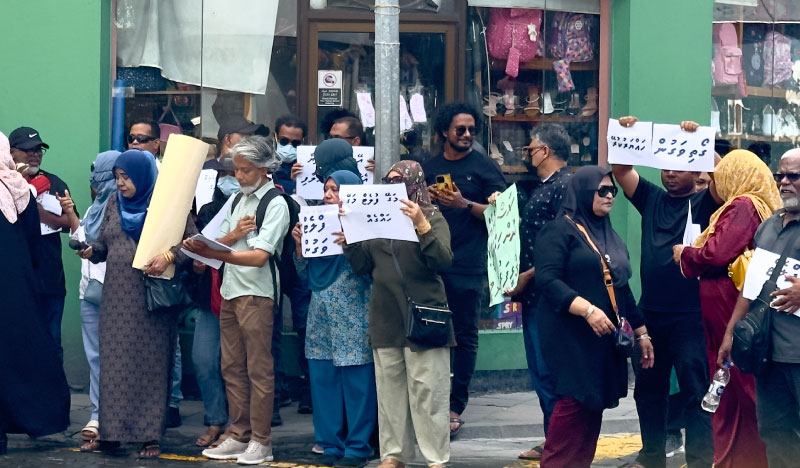
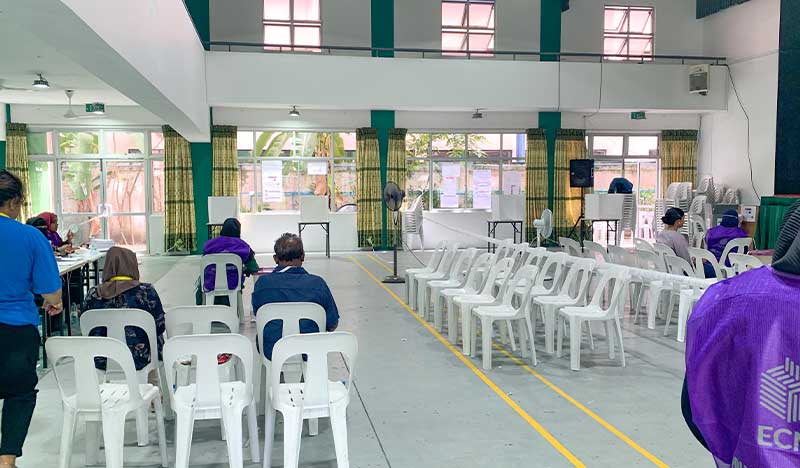
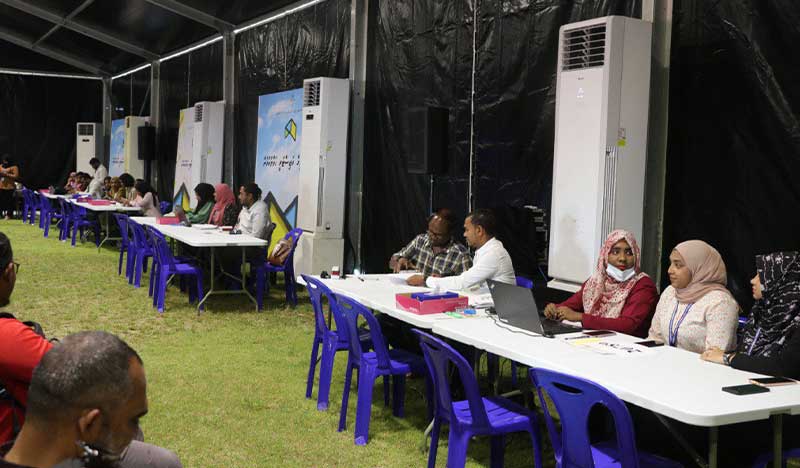
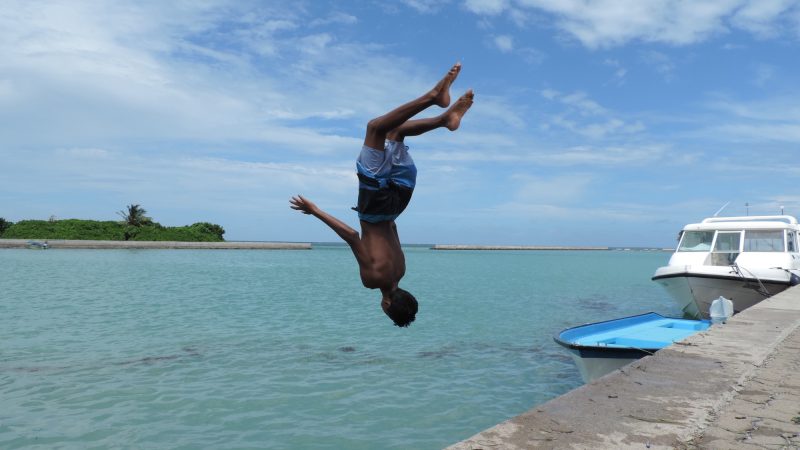
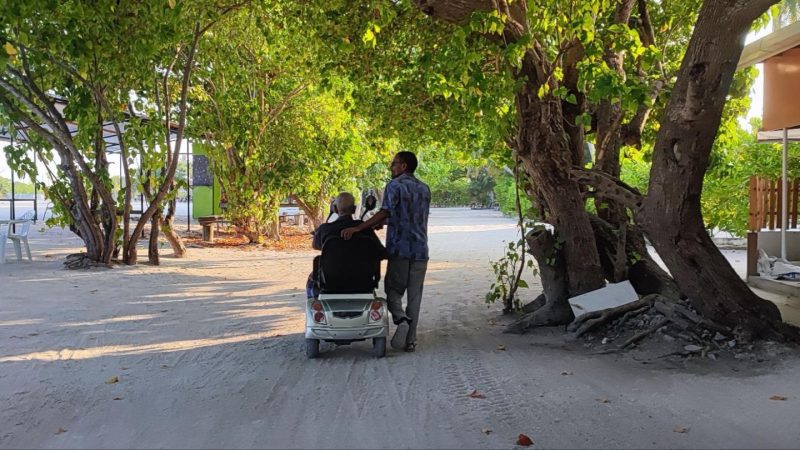
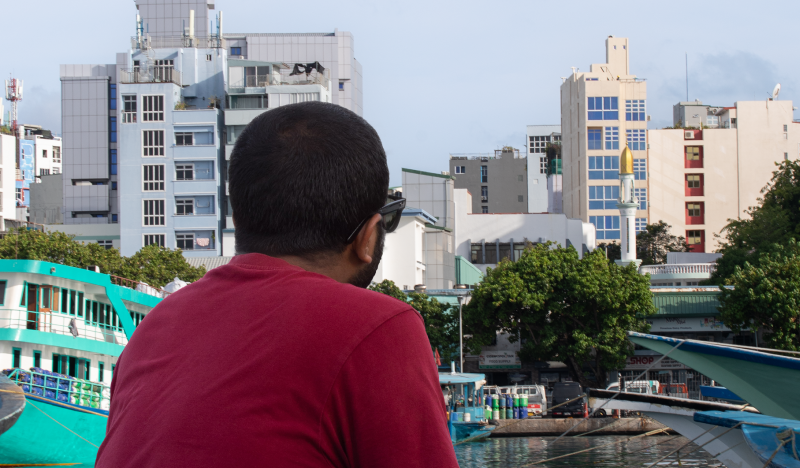
The year-end school holidays of 2002 were a turning point for thirteen-year-old Yoosuf Shiyan*. Having just completed grade seven, Shiyan
15 Jan 2025
ވަޒަންވެރިވުމުގެ ހައްޤު
The right to residency is the constitutional right of any Maldivian citizen to move from one island to another, establish residence on the island, and receive access to rights and benefits afforded to the residents of the island. These rights include the ability to vote for local representatives, apply for housing, and be eligible for land allocation.
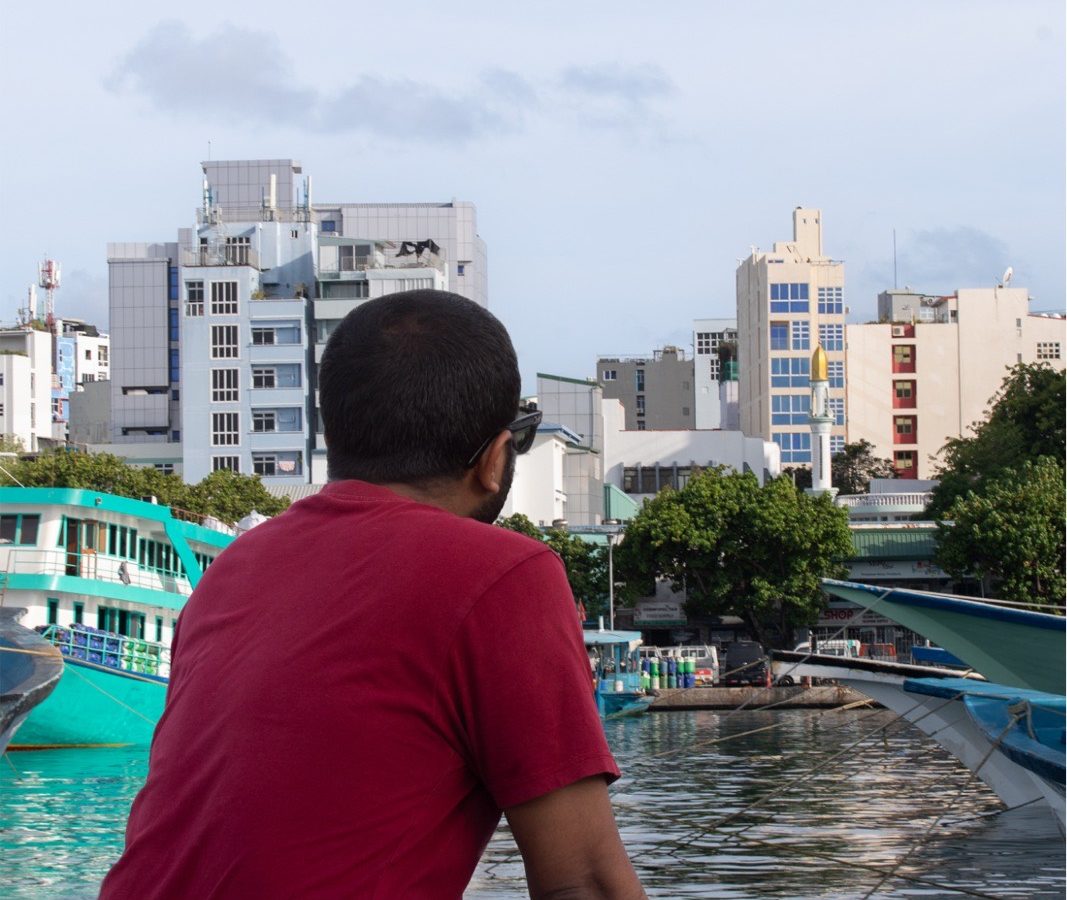
The year-end school holidays of 2002 were a turning point for thirteen-year-old Yoosuf Shiyan*. Having just completed grade seven, Shiyan
15 Jan 2025
24 ފެބުރުއަރީ 2026
30 ޖެނުއަރީ 2026
11 ޖެނުއަރީ 2026
28 ޑިސެމްބަރ 2025
Education, family relocation and employment remain the leading reasons Maldivians move to the capital.
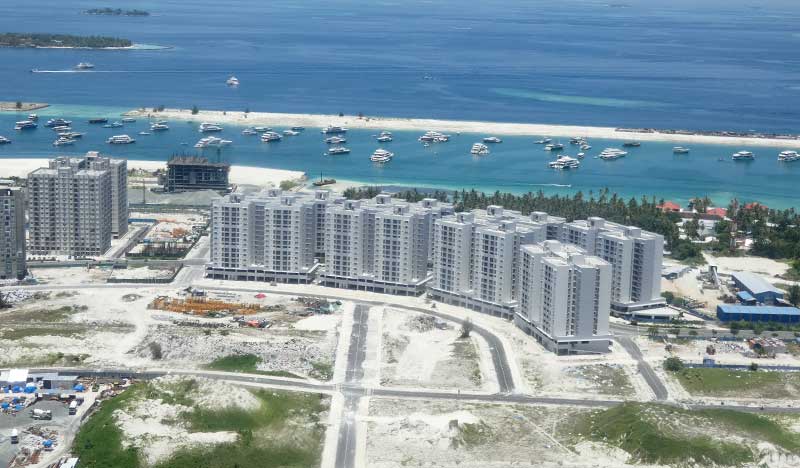
In some islands, more than half of the registered population now resides in the capital.
Dashed line: 50%
The atolls and islands where Malé’s registered residents originate.
The age at which Maldivians relocate varies significantly depending on their reasons for moving.
Employment drives migration among men, while family relocation and education feature more prominently among women.
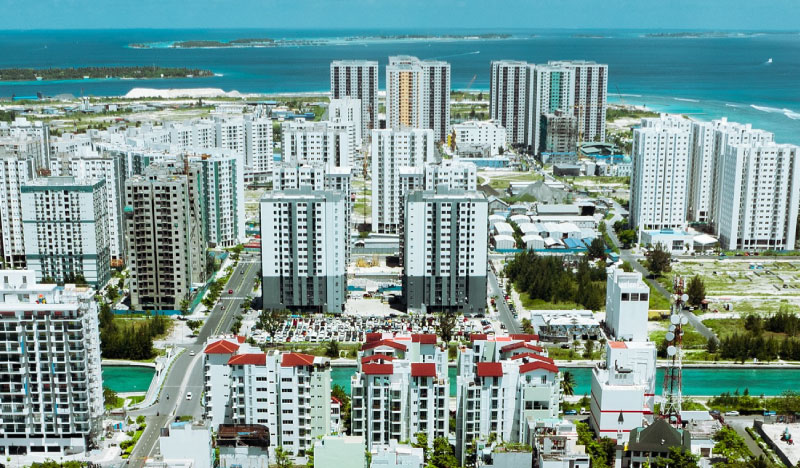
Hulhumalé’s population nearly quadrupled between 2014 and 2022, reflecting the rapid expansion of Greater Malé.
3.9× between 2014 and 2022
Every figure names its source. Where Maldives data doesn’t exist yet, we say so.
Residency rights are enshrined in the constitution of the Maldives and recognised by the laws of Maldives.
Article 41 of the constitution guarantees the right of every citizen to move and establish residency on any inhabited island and have equal access to the receipt of rights and benefits from that island.
Additionally, under the Maldives Island Residency Act of 1978, any individual over the age of 16 who has resided on an island continuously for a period of five years may apply for resident status on that island.
Furthermore, Article 26 of the constitution guarantees that all citizens aged 18 and older have the right to participate in public affairs, either directly or through freely chosen representatives.
The Maldives has a population spread across 187 islands in the Indian Ocean, with over half of these islands home to fewer than 1,000 residents. This geographic dispersion poses significant challenges for delivering basic services to all islands. As a result, many individuals are compelled to migrate in search of education, healthcare, employment, and other opportunities.
However, at present migrants do not enjoy the same rights as original residents, often facing barriers to applying for housing or voting in local elections. This contravenes their constitutional rights to movement and the establishment of residency.
The geographic makeup of the Maldives necessitates that Maldivians have the ability to relocate and settle on different islands, as envisioned in the Constitution.
The Maldives government currently relies on a system that identifies citizens based on their permanent address, as recorded on their National Identity Cards. This address determines eligibility for voting, housing applications, and access to various benefits.
However, an individual's permanent address does not necessarily reflect their current place of residence. Many migrants possess a permanent address that differs from where they have lived for years, which often renders them ineligible for housing or land schemes and prevents them from voting for representatives of their actual residence.
A system that upholds citizens' right to residency should prioritise the current or residential address as the primary address of record when determining eligibility for housing and voting.
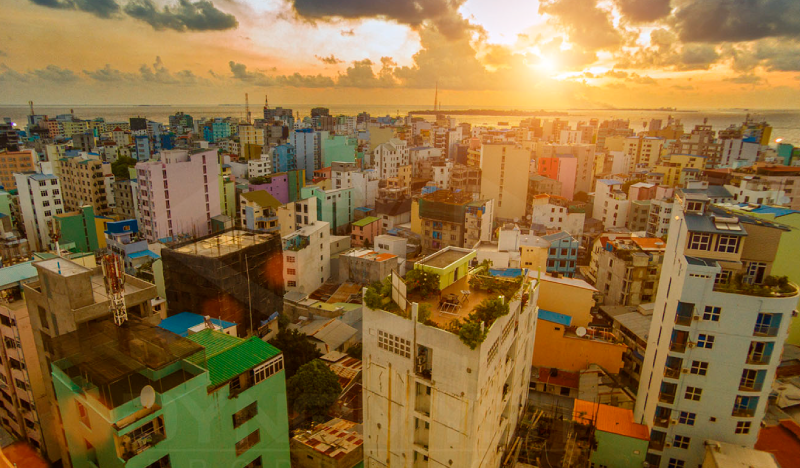
Malé, the capital and main urban centre of Maldives, has the highest number of migrants, currently outnumbering the island’s original residents. As a result, migrants in Malé are the largest group of people unable to enjoy the constitutional right to residency. However, this also extends to migrants from smaller islands living in urban islands across the atolls, who similarly face barriers in accessing housing and voting rights in their new locations.
In short, residency rights are an issue of equality; citizens should be treated the same and given the rights promised to them in our constitution. Should a person holding a ‘permanent address’ in Malé decide to migrate to another island, they should be able to do so and enjoy the same benefits afforded to the island's residents.
While the issue of centralisation and residency rights are distinct topics, in the context of this country, the two are deeply intertwined.
The government's prioritisation of the capital city's development over that of other islands, often directing a disproportionate amount of taxpayer money to Malé, has compelled many islanders to migrate to Malé for healthcare, education, and employment opportunities.
This forced migration has created a high demand for housing in the capital, leading to a cycle of renting for migrants, while landowning residents benefit from guaranteed passive income and generational wealth due to their residency status.
ވަޒަންވެރިވުމުގެ ހައްގަކީ ދިވެހި ކޮންމެ ރައްޔިތެއްވެސް އެއް ރަށުން އަނެއް ރަށަށް ހިޖުރަކޮށް, ވަޒަންވެރިވެ, އެ ރަށެއްގައި ދިރިއުޅޭ މީހުންނަށް ލިބޭ އެންމެހައި ޚިދުމަތްތަކާއި އިމްތިޔާޒުތައް ހަމަހަމަކަމާއެކު ލިބިގަތުމަށް ޤާނޫނު އަސާސީގައި ކަށަވަރުކޮށްދީފައިވާ ހައްޤެވެ. މީގެ ތެރޭގައި ދިރިއުޅޭ ރަށް ތަމްސީލުކުރާ މަންދޫބުން އިންތިހާބުކުރާ އިންތިހާބުތަކުގައި ވޯޓުލުމުގެ ހައްޤާއި އެ ރަށުން ގެދޮރު ނުވަތަ ބިން ހޯދުމަށް ހުށައެޅުމުގެ ހައްޤު ހިމެނެއެވެ.
ވަޒަންވެރިވުމުގެ ހައްޤަކީ ޤާނޫނުއަސާސީގެ ދެވަނަ ބާބުގައި ކަށަވަރުކޮށްދޭ ހައްޤެކެވެ. އަދި ރާއްޖޭގެ އެހެން ޤާނޫނުތަކުންވެސް ބަލައިގަންނަ ހައްޤެކެވެ.
ޤާނޫނު އަސާސީގެ 41 ވަނަ މާއްދާ ބަޔާންކުރާ ގޮތުން ދިވެހި ކޮންމެ ރައްޔިތަކަށްވެސް އެއްރަށުން އަނެއް ރަށަށް ހިޖުރަކޮށް, ވަޒަންވެރިވެ, އެ ރަށެއްގެ ދިރިއުޅޭ މީހުންނަށް ލިބޭ އެންމެހައި ޚިދުމަތްތަކާއި އިމްތިޔާޒުތައް ހަމަހަމަކަމާއެކު ލިބިގަތުމުގެ ހައްޤު ލިބިގެންވެއެވެ.
މީގެ އިތުރުން ދިވެހިރާއްޖޭގެ ރަށެއްގެ ރަށްވެއްސަކަށް ވުމާބެހޭ ޤާނޫނު (46/1978) ބަޔާންކުރާ ގޮތުގައި ރަށެއްގައި މެދުކެނޑުމެއްނެތި 5 އަހަރު ދުވަސް ހޭދަކޮށްފައިވާ މީހަކު އެރަށެއްގެ ރަށްވެއްސެއްގެ ގޮތުގައި ރަޖިސްޓަރީވާން އެދިއްޖެނަމަ, އެމީހަކު އެރަށެއްގެ ރަށްވެއްސެއްގެ ގޮތުގައި ރަޖިސްޓަރީ ކޮށްދޭން ވާނެއެވެ.
ޤާނޫނު އަސާސީގެ 26 ވަނަ މާއްދާ ބަޔާންކުރާ ގޮތުގައި އުމުރުން އަށާރަ އަހަރުން މަތީގެ ކޮންމެ ދިވެހި ރައްޔިތަކަށް އެ މީހަކު މިނިވަންކަމާއެކު އިޚްތިޔާރުކުރާ މަންދޫބުން މެދުވެރިކޮށް ރައްޔިތުންގެ ކަންތައްތައް ހިންގުމުގައި ބައިވެރިވުމުގެ ޙައްޤު ލިބިގެންވެއެވެ.
ރާއްޖޭގެ އާބާދީއަކީ އިންޑިއާ ކަނޑުގައިވާ 187 މީހުންދިރިއުޅޭ ރަށްތަކުގެ ތެރޭގައި ބެހިފައިވާ އާބާދީއެކެވެ. މީގެ ދެބައިކުޅަ އެއްބަޔަށްވުރެ ގިނަ ރަށްރަށުގައި 1,000 މީހުންވެސް ހަމަނުވެއެވެ. ވަކި ވަކި ރަށްތަކަކަށް ބެހިފައިވާ ޤައުމަކަށްވުމުން, އަސާސީ ހިދުމަތްތައް ހުރިހާ ރަށްތަކަށް ފޯރުކޮށްދިނުމަކީ ޤައުމީ ތަރައްޤީއަށް އޮތް ބޮޑު ގޮންޖެހުމެކެވެ. ނަތީޖާއެއްގެ ގޮތުން, އެތައް ދިވެހީންނެއް ތައުލީމާއި ބޭސްފަރުވާއާއި ވަޒީފާއާއި އެހެން ފުރުސަތުތައް ހޯދުމުގެ ބޭނުމަށް އެއްރަށުން އަނެއްރަށަށް ހިޖުރަކުރަން މަޖުބޫރުވެއެވެ.
ނަމަވެސް, މި ފަދައިން ހިޖުރަކުރާ މީހުންނަށް އެރަށެއްގެ ރަށްވެހީންނަށް ލިބޭ ހައްޤުތަކާއި އިމްތިޔާޒުތައް ލިބުމުގައި ހުރަސްތަކެއް ހުރެއެވެ. މިގޮތުން ގެދޮރަށް އެދި ހުށައެޅުމާއި އެ ރަށެއް ތަމްސީލުކުރާ މަންދޫބުން އިންތިހާބުކުރުމުގައި ބައިވެރިވުމުގެ ހައްގު ހިޖުރަކުރާ މީހުންނަށް ދަތިވެއެވެ. މިއީ ޤާނޫނު އަސާސީގައި ބަޔާންކުރާ ވަޒަންވެރިވުމުގެ ހައްޤާއި ހިލާފު ކަމެކެވެ.
ރާއްޖެ އުފެދިފައިވާ ގޮތުގެ ސަބަބުން ޤާނޫނުއަސާސީގައި ބަޔާންކުރާ ފަދައިން އެއްރަށުން އަނެއް ރަށަށް ހިޖުރަކޮށް ވަޒަންވެރިވުމަކީ ކޮންމެހެން ޔަޤީންކޮށްދޭންޖެހޭ ކަމެކެވެ.
ދިވެހި ސަރުކާރުން ކޮންމެ ދިވެއްސެއްގެ ރަށްވެހިކަމާއި ގުޅޭ ހިދުމަތްތައް ދިނުމުގައި ބޭނުންކުރަމުން ދަނީ ދިވެހިރައްޔިތެއްކަން އަންގައިދޭ ކާޑުގައި ވެސް ލިޔެވޭ ދާއިމީ އެޑްރެހެވެ. މީހެއްގެ ދާއިމީ އެޑްރެހަކީ އެމީހެއް ވޯޓުލެވޭ މަންދޫބުންނާއި, ގެދޮރުހޯދުމަށް އެދެވޭ ރަށާއި އެހެނިހެން ކަންކަމުގައި ބަލާ އެޑްރެހެވެ.
ނަމަވެސް, މީހެއްގެ ދާއިމީ އެޑްރެހަކީ އެ މީހެއް ދިރިއުޅޭ ތަން ރަމްޒުކޮށްދޭ އެއްޗެއް ނޫނެވެ. ހިޖުރަ ކުރާ ގިނަ ބައެއްގެ ދާއިމީ އެޑްރެހަކީ އެ މީހަކު އެތައް އަހަރެއް ވަންދެން ދިރިއުޅެމުންދާ ތަނާއި ތަފާތު ތަނެކެވެ. މީގެ ސަބަބުން ހިޖުރަކުރާ ގިނަ މީހުންނަށް ގެދޮރު ހޯދުމަށާއި ދިރިއުޅޭ ރަށުގެ މަންދޫބުން އިންތިހާބުކުރުމުގައި ބައިވެރިވުމުގެ ހައްޤު ގެއްލެއެވެ.
ދާއިމީ އެޑްރެހަކީ ޤާނޫނު އަސާސީ ބަލައިގަންނަ ނިޒާމެއް ނޫނެވެ. ވަޒަންވެރިވުމުގެ ހައްޤު ކަށަވަރުކޮށްދޭ ނިޒާމެއްގައި ރަށްވެހިކަމާއި އިންތިހާބީ ބޭނުންތަކަށް އަހައްމިއްޔަތުކަންދޭ އެޑްރެހަކަށް ވާނީ އެމީހަކު ދިރިއުޅޭ އެޑްރެހެވެ.
ދިވެހިރާއްޖޭގައި ވެރިކަންކުރާ ރަށުގެ އިތުރުން އެންމެ ޚިދުމަތްތައް ރަނގަޅު ރަށަށްވާތީ ހިޖުރަކުރާ ގިނަބަޔަކު ދިރިއުޅެނީ މާލެ ސަރައްދުގައެވެ. މިހާރު މާލޭގެ ރަށްވެހިންނަށްވުރެ ހިޖުރަކޮށްގެން ދިރިއުޅޭ މީހުން ގިނައެވެ. އެހެންކަމުން ވަޒަންވެރިވުމުގެ ހައްޤު ގެއްލިފައިވާ އެންމެ ގިނަ މީހުން ނުވަތަ ހިޖުރަކޮށްފައިވާ މީހުން އުޅެނީ މާލޭގައެވެ. ނަމަވެސް, ކުދި ކުދި ރަށްރަށުން އަތޮޅުގެ ބޮޑެތި ރަށްތަކަށް ހިޖުރަކޮށް, އެރަށުގެ ރަށްވެހިކަމުގެ ހައްގުތައް ހޯދުމަށް ހުރަސްތަކާއި ކުރިމަތިލާންޖެހޭ މީހުންވެސް މި ވާހަކައިގެ ތެރޭގައި ހިމެނެއެވެ.
ޖުމުލަކޮށް ބުނާނަނަމަ, ވަޒަންވެރިވުމުގެ ހައްޤުގެ ވާހަކައަކީ ހަމަހަމަކަމުގެ ވާހަކައެކެވެ. މާލޭގެ ގެއެއްގައި ދާއިމީ އެޑްރެސް އޮންނަ މީހަކުވެސް, އެހެން ރަށަކަށް ހިޖުރަކޮށް ވަޒަންވެރިވާން ބޭނުންނަމަ އެރަށުގެ ރަށްވެހިންނަށް ލިބޭ ހައްޤުތަށް އެމީހަކަށްވެސް ލިބެންވާނެއެވެ.
ވަޒަންވެރިވުމުގެ ޙައްޤާއި މަރުކަޒީ ސިޔާސަތަކީ ތަފާތު ނަމަވެސް ގުޅިލާމެހިފައިވާ ދެ ކަމެކެވެ.
ވިދިވިދިގެން އައި ސަރުކާރުތަކުން ރައްޔިތުންގެ ޓެކްސް ފައިސާ ބޭނުންކޮށްގެން މާލެ ސަރަހައްދު ތަރައްޤީ ކޮށް އަތޮޅުތެރެއަށް އިހުމާލުވުމުގެ ނަތީޖާއަކީ އަތޮޅުތަކުގެ ގިނަބަޔަކު މާލެ ހިޖުރަކުރަން މަޖުބޫރުވުމެވެ. މި މަޖުބޫރީ ހިޖުރަކުރުމާއި ވިދިގެން, މާލޭގައި ގެދޮރުވެރިކަމަށް އޮތް ޑިމާންޑު ވަރަށް ބޮޑުތަނުން މައްޗަށް ޖެހުނެވެ. އޭގެ ސަބަބުން, ހިޖުރަކުރާ މީހުން ކުލިދެއްކުމުގެ ވިހަ ބުރެއްގައި ތާށިވެފައި ވާއިރު މާލޭގެ ބިންވެރިންނަށް މަސައްކަތް ކުރުމެއް ނެތި އާމްދަނީ ހޯދާ, އެއްޖީލުން އަނެއް ޖީލަށް ދެމިގެންދާ މުއްސަނދިކަން އެއްކުރުމުގެ ފުރުސަތު ލިބިފައި މިވަނީ މާލޭ ރަށްވެހިންނަށް ވުމުގެ ސަބަބުންނެވެ.
National identity cards, civil registration and registered address information.
Local municipal services, administrative information and residency-related enquiries.
Government housing schemes, eligibility requirements and application information.
Voter registration, electoral procedures, polling information and voter eligibility.
Receives and investigates complaints concerning alleged human rights violations.
Legal assistance, information and advocacy.
Receives and investigates complaints relating to children’s rights.
From family planning and conception to pregnancy, childbirth and raising children, the journey of parenthood is shaped by the health, choices and circumstances of…
plus.mv/awareness/growing-up-maldives
The crisis we have normalised
plus.mv/awareness/ncds
Reports · Data · Explainers · Stories