
Report
Across the Maldives, Diabetes Risk Is Already Present for Many Adults
Diabetes is often treated as a disease that arrives later in life. But in the Maldives, a nationwide screening study
5 May 2026
The crisis we have normalised
Non-communicable diseases (NCDs), including cancer, cardiovascular diseases, diabetes and chronic respiratory diseases, are among the leading causes of death and disability in the Maldives. Often developing over many years, these diseases place a growing burden on individuals, families and the healthcare system.
Diabetes is often treated as a disease that arrives later in life. But in the Maldives, a nationwide screening study
5 May 2026
Non-communicable diseases account for the majority of deaths in the Maldives, with cardiovascular diseases among the leading causes.
Non-communicable diseases account for a substantial share of hospital admissions, placing pressure on the country’s healthcare system.
An estimated 525 new cancer cases and 342 cancer deaths occurred in the Maldives in 2024, highlighting the country’s cancer burden.
Lung cancer leads estimated new cases among men.
Breast cancer accounts for more than a third of estimated new cases among women.
Cancer-related treatment and diagnostic referrals abroad have increased, highlighting the country’s continuing dependence on overseas specialist care.
Tobacco use remains a major preventable health risk, with smoking considerably more prevalent among men than women.
The overwhelming majority of Maldivian adults consume fewer than the recommended five daily servings of fruit and vegetables.
A nationwide screening study found high levels of excess weight, body fat and abdominal obesity among participants.
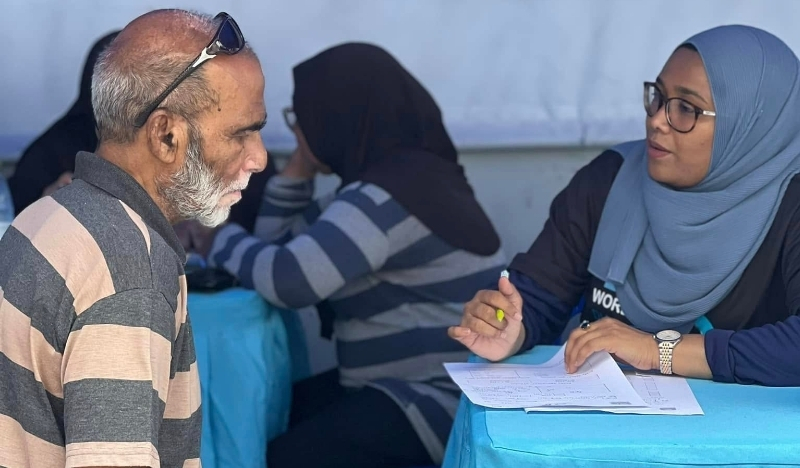
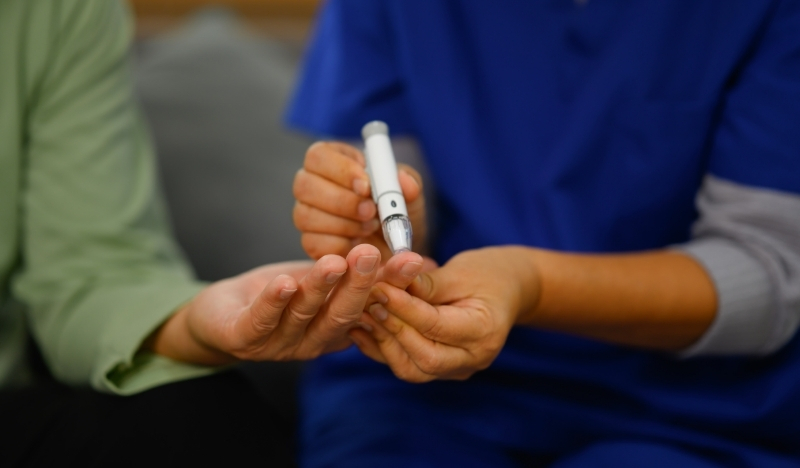
A nationwide screening found that more than three-quarters of participants showed elevated risk factors associated with developing diabetes.
Among screening participants who reported having diabetes, 15.1% said they were not taking medication.
More than four in ten adults aged 18–25 in a nationwide screening reported regular energy drink consumption, with use declining across older age groups.
Hypertension becomes substantially more common with age, affecting more than half of screened participants aged 66 and above.
Non-communicable diseases are illnesses that cannot be transmitted from one person to another. The four major groups are cardiovascular diseases, cancers, chronic respiratory diseases and diabetes.
Unlike infectious diseases, many NCDs develop gradually and require long-term management. Some can be prevented or delayed through healthier lifestyles, early detection and appropriate medical care.
In the Maldives, NCDs account for a substantial majority of deaths and place considerable pressure on the healthcare system.
NCDs are not just a health concern. They have far-reaching consequences for families, the economy and the country's healthcare system.
People living with chronic illnesses may require lifelong medication, regular medical appointments or specialised treatment. Serious conditions such as cancer can force families to travel to Malé or overseas for care, disrupting employment, education and family life.
The burden extends beyond treatment costs, affecting household incomes, productivity and public healthcare expenditure.
Several established risk factors contribute to the development of NCDs, including tobacco use, unhealthy diets, physical inactivity, harmful alcohol use and environmental exposures.
In the Maldives, national health surveys have highlighted widespread tobacco use and inadequate consumption of fruits and vegetables. Screening research has also identified high levels of excess weight and other metabolic risk factors among participants.
However, these findings do not establish precisely how much each factor contributes to the country's disease burden. More local research is needed to better understand these relationships.
Many NCDs can be prevented or their onset delayed, although not every case is avoidable. Genetics, age, environmental conditions and other factors also influence a person's risk.
Avoiding tobacco, maintaining a balanced diet, exercising regularly and managing blood pressure, cholesterol and blood sugar can significantly reduce the risk of several major NCDs.
Prevention also requires action beyond individual lifestyle choices, including public-health policies, accessible screening services and environments that support healthier living.
Many NCDs develop gradually, sometimes without noticeable symptoms in their early stages.
Conditions such as diabetes and hypertension can remain undetected for years, while some cancers are more treatable when identified early.
Appropriate screening and regular medical assessments can help identify risks or diseases before serious complications develop. The screening required depends on factors such as age, family history and individual medical risk.
Access to specialised healthcare remains uneven across the Maldives.
Patients living outside the capital may need to travel to Malé for diagnostic tests, specialist consultations and treatment. When services are unavailable domestically, some patients must travel overseas.
These journeys can create additional financial and emotional burdens, including accommodation expenses, lost income and prolonged separation from family members.
Expanding diagnostic and treatment services across the atolls could help reduce these disparities.
Although many NCDs become more common with age, the factors contributing to them can emerge much earlier.
The magazine's diabetes screening research highlights elevated metabolic risk factors among adults, alongside tobacco and energy drink consumption across different age groups.
Habits developed during childhood and adolescence can influence long-term health. Early prevention is therefore important even for people who currently feel healthy.
Addressing NCDs requires a coordinated response that places greater emphasis on prevention, early diagnosis, accessible treatment and long-term patient support.
Priorities include strengthening primary healthcare, expanding screening and specialist services outside Malé, reducing exposure to preventable risk factors and improving public-health education.
Reliable disease registries, stronger local research and consistent monitoring are also essential for identifying gaps and evaluating whether national health policies are working.
Public health information, disease prevention, health awareness and national screening initiatives.
Cancer awareness, screening initiatives and community education on cancer prevention and early detection.
Diabetes screening, education, prevention and support for people managing diabetes.
Health education, reproductive health services, thalassaemia screening and counselling.
Blood donation, transfusion services and thalassaemia-related healthcare.
Public hospital providing specialist consultations, diagnostic services and medical treatment.
Hospital providing medical consultations, diagnostic services and specialist treatment.
Support programmes and information for cancer patients, survivors and caregivers.
Diabetes management education, guidance and patient support.
Awareness, advocacy and support for children with congenital heart conditions and their families.
Thalassaemia awareness, patient advocacy and community support initiatives.
Dementia awareness, advocacy and support initiatives for affected individuals and families.
Telephone-based mental health and emotional support.
Counselling, psychosocial support and health education services.
Mental health assessments, psychiatric consultations and related clinical services.
Information on national healthcare coverage, treatment eligibility and medical referrals.
Medical welfare, disability assistance and financial support for eligible individuals.
From family planning and conception to pregnancy, childbirth and raising children, the journey of parenthood is shaped by the health, choices and circumstances of…
plus.mv/awareness/growing-up-maldives
Economic justice begins with residency rights
plus.mv/awareness/residency-rights
Reports · Data · Explainers · Stories